Gasoline Delivery Services: On-Site Fueling Made Simple and Efficient

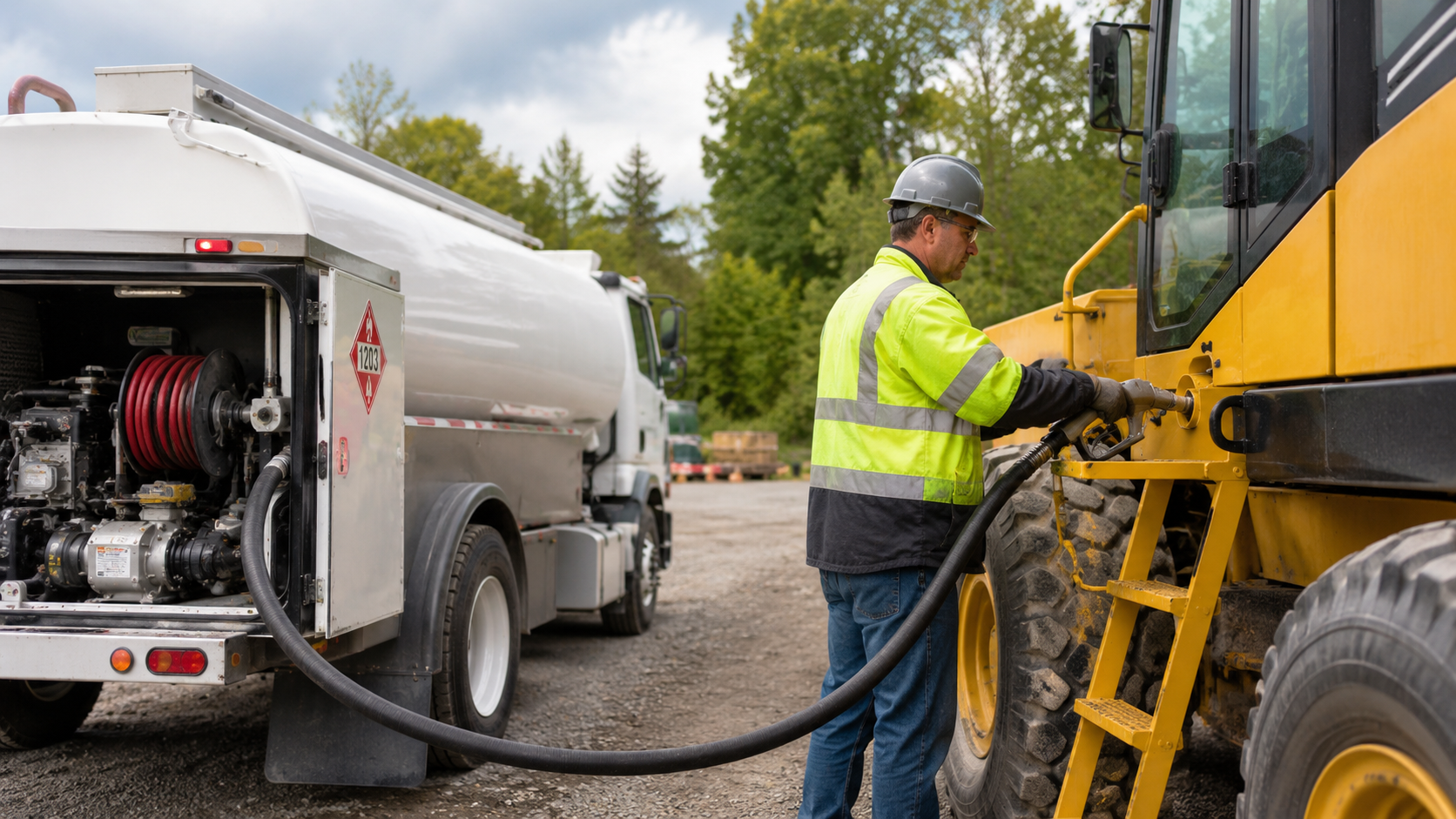
Gasoline delivery is a contemporary method of fueling vehicles, equipment, and/or fuel storage tanks by delivering fuel to them at the location of the fueling, rather than having to make the trip to a conventional gas station. Rather than having to shut down operations to fuel up, companies can have gasoline shipped directly to them, be it a construction site, warehouse, or fleet yard. This can help to make the workflow in the company more streamlined and ensure that vehicles are always available for use when necessary.
More companies are becoming efficient and seeking better use of fuel, and for this reason, gasoline delivery services are increasingly becoming a reality. Fuel supply is integrated into their scheduled deliveries, providing businesses with greater control over fuel usage, enhanced productivity, and reduced disruption. It makes gasoline delivery a viable and growing option for industries with lots of heavy-duty vehicles and fuel usage. It also enables organisations to continue their consistent operation, as fuel is always on hand when and where required.
Convenient Gasoline Delivery for Businesses and Fleets
Gasoline delivery is the delivery of gasoline directly to a vehicle, equipment, or storage tanks rather than to a gas station. A typical application would be for fleets, construction zones, or businesses that require a dependable and steady supply of fuel. Services such as Fuel Logic provide businesses with timely or demand-based deliveries to ensure they do not suffer delay or downtime.
Gasoline is supplied in the field by special fuel trucks fitted with metering equipment that bypass drivers off-road for gasoline service. This enables companies to fuel several vehicles in a single operation, frequently before or after the working shift. The aim is to make fueling easier, more productive, and efficient.
How is Gas Delivered?
The process of delivering gasoline is planned and easy. A business sets a delivery schedule according to fuel consumption requirements, and a fuel truck is delivered to the scheduled delivery site. Fuel tankers or vehicles are then directly refuelled, which is sometimes known as “wet hosing” or on-site refueling.
Typical steps include:
- Planning fuel deliveries – one-off or periodic –
- The delivery of a certified fuel delivery truck
- Fueling of vehicles or fuel storage tanks on the premises
- Computerized fuel volume and usage tracking
- Billing based on delivered gallons
Some companies even have digital monitoring to guarantee accurate reporting and prevent fuel loss or discrepancies.
Benefits of Gasoline Delivery
For companies with heavy equipment usage or transportation requirements, the gasoline delivery service has several benefits. The greatest advantage is that vehicles will not be spending time away from job sites to refuel. This leads to better productivity and more efficient scheduling.
Other huge advantages are:
- Minimized downtime and fuel stops for the driver.
- Better route efficiency and time savings
- Fuel tracking and reporting centrally.
- Reduced fuel theft and misuse.
- Stable fueling schedules
This ensures that businesses can continue their operations without any disruption from refueling processes.
Industries that use Gasoline Delivery
Gasoline delivery is well known in various industries where vehicles and equipment need to be operated continuously. The advantage of these sectors is that they have simplified fueling and are able to manage fuel consumption.
Common industries include:
- Logistics and delivery vehicles
- Construction and heavy equipment operations
- Landscaping and maintenance services
- Emergency and utility services
- The events and mobile operations
On-site delivery is feasible for these industries where even minor delays in fueling can affect productivity.
The Economic and Effectiveness Benefits
Sometimes, fuel price is the same as retail stations, but more frequently, the delivery of gasoline lowers overall operating costs. The main savings are from better efficiency and less downtime due to non-productive refueling.
Some of the key cost benefits are:
- Decreased work time at gas stations
- Reduced unnecessary travel, leading to less wear and mileage on vehicles
- In some programs, bulk fuel purchasing options exist
- Better fuel tracking and minimisation of fuel waste
These efficiencies can result in a substantial reduction in the overall operating cost of the fleet in the long run, particularly for businesses that heavily use fuel.
Safety and fuel management
One of the key factors in gasoline delivery services is safety. Providers are compliant with the strict handling and environmental regulations, which ensure safe fuel transport and dispensing. Deliveries are handled by certified technicians, minimizing spill hazards and adhering to industry standards. Many also offer fuel management tools to track vehicle, job site, and department fuel usage, as well. This will enhance transparency, reduce unapproved fuel usage, and aid budgets and planning.
Final Insight
In essence, gasoline delivery is a fuel logistics solution that provides businesses with an efficient, controlled, and convenient way to fuel their operations. The absence of station trips and integration of fueling into the everyday operation will enable companies to concentrate more on productivity and less on fuel management.