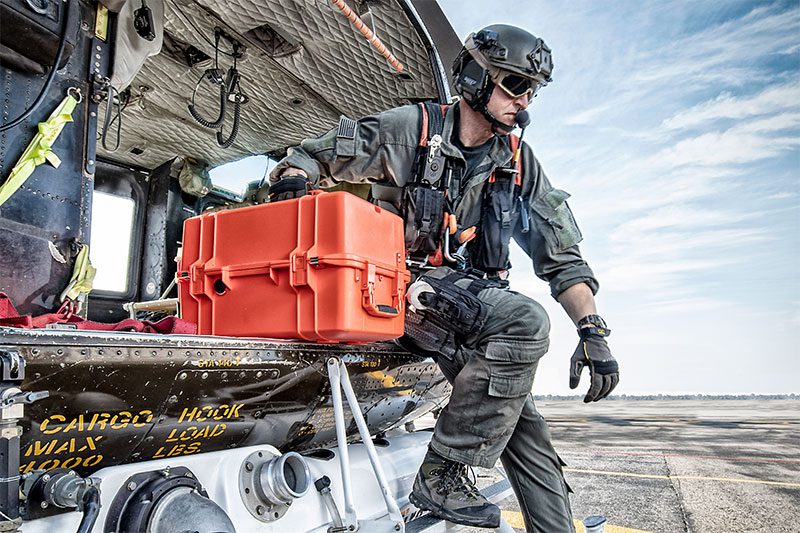
OEMs sometimes need more powerful ways to protect their sensitive tools and instruments. A valuable and protective case provides safety and organization. These storage solutions are critical across multiple sectors, keeping your vital pieces locked up and safe throughout transport and storage. Having such cases can prove useful to keep the operations smooth and protect several assets that are of high value.
Enhanced Safety and Damage Prevention
Protective equipment cases provide a steadfast way to shield fragile equipment. Foam inserts and stiff exteriors protect devices from impacts, vibration, and drops. These cases make it less likely for the equipment to come into direct contact with other objects, thus reducing the chances of breakage. Such protection extends life for sophisticated machinery and components. This allows organizations to avoid expensive repairs and replacement at short notice.
Weather and Environmental Resistance
Numerous cases use weather-resistant materials to help protect the equipment from moisture, dust, and extreme temperatures. This durability comes in handy during rough conditions or while being used outdoors. OEMs appreciate the peace of mind that their products can still work, regardless of rain, humidity, or particles in the air. Carefully sealed, these cases offer watertight and dirt-free storage for sensitive electronics and precision tools. This provides an extra layer of protection for consistent performance across locations.
Efficient Organization and Storage
Well-organized equipment enables swift access and inventory management. OEM-specific cases will typically have padding or compartment cutouts designed specifically for your equipment model. This means that everything has a dedicated space, so you will always know where to find it and where to put it. Sorting and storing them correctly makes the organization and maintenance work easier. The case helps you easily identify the parts that are missing, enabling you to restock quickly and ensure higher productivity.
Ease of Transport and Handling
It can be difficult to transport specialized equipment when the items differ in size or fragility. Ergonomic handles and secure closures on protective cases make the case easier to carry. They are also often designed to stack and are lightweight to make transport much easier. It allows for the transportation of equipment between locations without the risk of dropping or mishandling it. This is especially useful during fieldwork, shipping, or trade shows.
Professional Appearance and Branding
An equipment case has a clean and orderly look. This contributes to a professional appearance in front of clients to influence their views when you are doing a presentation. Customizable features usually consist of branding with logos, colors, or application labeling, boosting brand recognition. Packing tools into a clean and branded container reinforces the commitment to quality and detail. This kind of visual uniformity is a small step towards gaining customer and partner trust.
Cost Savings Over Time
If you invest in protective cases at the outset, your savings down the line can be significant. It lowers operational costs by extending the life of the equipment and minimizing repairs. Savings also arise from reduced damage or theft. This means businesses can divert money into growth, rather than constant replacements. Eventually, you can see the economics of utilizing better-suited storage solutions.
Compliance and Safety Standards
In many industries, one must comply with strict regulations when it comes to safety and transportation. Many protective equipment cases are designed to meet some of these needs. This keeps you safe from fines and ensures you can transport the goods without a fuss. Compliance with regulations also shows responsibility towards clients and stakeholders. Such focus on safety slowly builds market reputation.
Customization Options for Diverse Needs
OEMs typically have distinct needs for their tools and instruments. Many protective cases allow custom inserts, custom sizes, and custom materials to fit your specific needs. This flexibility guarantees perfect compatibility for every application, whether using it for electronics or mechanical parts. A good fit prevents the object from changing position when the operator moves and allows safe lifting. Customization enables businesses to tackle unique challenges efficiently.
Conclusion
There are obvious benefits to original equipment manufacturers when it comes to protective equipment cases. The protective case keeps the components inside safe, organized, and easy to transport. Cases’ advantages are rounded out by savings in the long run, compliance, and customization. Selecting the right storage and transportation methods will safeguard your investment and promote a successful operation.