Reliable electricity is no longer limited to cities or permanent buildings. Today, many businesses, project owners, and remote operators are choosing flexible energy systems that can work anywhere. One of the most practical solutions available is a solar container.
This guide explains how to set up a solar container based on your real needs, what to consider before buying, and why this solution is becoming a preferred choice for off-grid and mobile power users.
What Is a Solar Container?
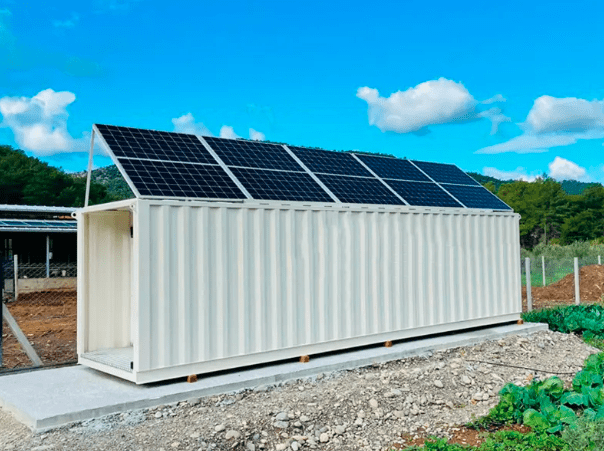
A solar container is a complete solar power system built inside a shipping container. Instead of installing panels, batteries, and power systems separately, everything is already integrated into one secure unit.
Unlike traditional solar installations, a solar container does not depend on rooftops or permanent structures. It works as a self-contained power unit.
Why a Mobile Solar Container Makes Sense
A mobile solar container is ideal when power needs change locations or when grid access is unreliable.
This solution works especially well for:
- Construction sites
- Remote offices
- Farms and agricultural projects
- Temporary camps
- Emergency response locations
The biggest advantage is freedom. You are not tied to one place or dependent on fuel deliveries.
Step 1: Identify Your Power Requirements
Before setting up a solar container, the first step is understanding how much electricity you need.
Ask yourself:
- What equipment will run on this system?
- How many hours per day will it be used?
- Will power be required during nighttime?
This step helps you avoid two common mistakes:
- Choosing a system that is too small
- Spending extra money on unused capacity
When your energy needs are clear, choosing the right setup becomes much easier.
Step 2: Choose the Right Solar Container Configuration
Not all solar containers are the same. The right configuration depends on how and where you plan to use it.
Things to consider:
- Daily energy consumption
- Backup power needs
- Space available for deployment
- Duration of use (temporary or long-term)
A well-designed solar container is already optimized to balance production, storage, and usage without complicated adjustments.
Step 3: Select a Reliable Supplier
The performance of a solar container depends heavily on build quality and system design. This is why choosing a trusted provider matters.
A professional supplier ensures:
- Proper system integration
- Durable construction
- Safe operation
- Long-term reliability
Step 4: Prepare the Installation Location
One of the strongest benefits of a mobile solar container is minimal site preparation.
You typically need:
- Flat and stable ground
- Open space with good sun exposure
- Basic access for delivery and placement
No permanent foundations or complex site work are required. This saves both time and money.
Step 5: Position and Activate the System
Once delivered, setting up a solar container is straightforward.
Typical setup steps include:
- Positioning the container at the selected site
- Deploying the solar panels
- Powering on the system
- Checking basic output and storage status
Because everything is pre-integrated, the system becomes operational quickly.
Step 6: Monitor Daily Usage
After activation, monitoring your energy use helps you get the best results.
Monitoring allows you to:
- Track power production
- Understand consumption patterns
- Prevent overloading
- Improve efficiency
Most modern solar containers include simple monitoring tools that do not require technical skills.
Step 7: Plan for Future Expansion
A major advantage of a solar container is scalability.
If your power needs grow:
- Additional containers can be added
- Storage capacity can be increased
- Systems can work together as a network
This flexibility protects your investment and avoids the need to replace the system later.
Why Buying a Solar Container Is a Smart Investment
Choosing a mobile solar container is not just about electricity it’s about control and independence.
Key long-term benefits include:
- Lower operating costs
- Reduced fuel dependency
- Stable power supply
- Quick deployment anywhere
For businesses and remote operations, this solution offers reliability without complexity.
Frequently Asked Questions
1. Who should use a solar container?
Anyone who needs reliable power in areas without stable grid access or where mobility matters.
2. Is a mobile solar container suitable for long-term use?
Yes, many systems are designed for continuous, long-term operation.
3. How fast can a solar container be set up?
In most cases, it can be operational within hours of delivery.
4. Can it support heavy equipment?
Yes, if the system is sized correctly for the required load.
5. Does it work during low sunlight?
Stored energy allows continued operation even when sunlight is limited.
6. Is maintenance complicated?
Maintenance is simple and does not require specialized technical staff.
7. Can it be relocated later?
Yes, relocation is one of its core advantages.
8. Is it better than traditional generators?
For many users, it offers quieter operation, lower costs, and cleaner energy.
Final Thoughts
A solar container is a practical, flexible, and future-ready energy solution. Whether you need power for a remote project or a temporary setup, this system provides stability without long installation timelines.
This approach to power generation offers freedom, reliability, and long-term value—all in one container.