Eliminating air leakages within HVACs is vital in ensuring that they are energy efficient, comfortable, and ensure the equipment lasts long. Leys as little as a few drops can severely affect the performance of a system and could cause increased energy bills and inconsistent heating or cooling to all parts of a building. The use of gasketing has been considered as one of the best methods of solving this problem and ensuring a good seal between the parts and elimination of unwanted gases. The knowledge of the process of generating, laying, and repairing gaskets is vital in making sure that the system works to the highest of its capacity.
Not only is effective gasketing a performance enhancer but it helps in the durability of HVAC systems. Gaskets prevent damages on other components by the stress through covering of joints and connections, which would otherwise damage other parts due to the changes in pressures and temperatures. Gaskets made of fabric fiberglass can also be used in heating or cooling since this material can be incorporated to improve the heat resistance. The methodology will ensure that the HVAC systems provide the steady airflow and temperature regulation as well as minimise the probability of leaks with time.
Selecting the Right Gasket Material
The type of gasket material selected is an essential factor in avoiding air leakages. Various materials have different degrees of durability, flexibility and temperature and therefore it is important to know the type of operation of your HVAC system. High temperature and high pressure areas can be sealed using materials like rubber, silicone and fabrics fiberglass. The right material used will guarantee that gaskets will be able to stand the daily wear and environmental conditions without losing the seal.
An appropriate choice of gasket also influences the maintenance cost in the long-term. With the incorrect material or of poor quality, the wear will occur earlier, which means the replacement and repairs will be more frequent. In HVAC systems with sensitive airflow such as the ones used by the company, any small leakage can affect the operation of the system and investing in quality gasket options is necessary. The seal can further be enhanced by incorporation of material such as fiberglass insulation around gasketed joints to make the seal more efficient in terms of energy conservation by minimizing thermal losses.
Installation Techniques for Gaskets
Proper fitting of gaskets is also a requirement in order to avoid air leakages. Gaskets that are misaligned or compressed incorrectly may end up creating gaps rendering their role useless. Cleaning is necessary to ensure that surfaces are clean, old gasket material is removed, and that application of torque and position is as specified by the manufacturer. A correct installation will provide a consistent seal that will not be compromised by the normal system pressures or temperature changes.
The installation phase should be done with attention to details to avoid future expensive repairs. To illustrate, the HVAC technicians can consider the use of fabric fiberglass gaskets in places that are likely to suffer high temperatures so that the seal can be efficient even in the severe circumstances. Periodic check-ups post-installation are used to detect any wear or loopholes that may be used to place the system into jeopardy. Leakage of air during installation can be prevented which minimizes the chances of leakage and enhances general system performance.
Maintenance and Inspection
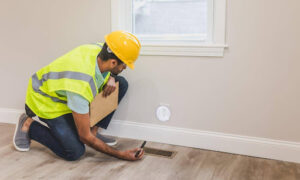
Maintenance is one of the essentials of avoiding air leakage in the HVAC systems. Gasket inspection enables the technicians to identify the initial signs of wear, including cracks, flattening, or removal. Timely treatment of these problems helps to avoid the fact that small leaks can grow into bigger ones, which will interfere with the work of the system and the comfort inside. Periodic maintenance also gives room to wipe the immediate surfaces and substitute the degraded parts, which strengthens the performance of the gaskets.
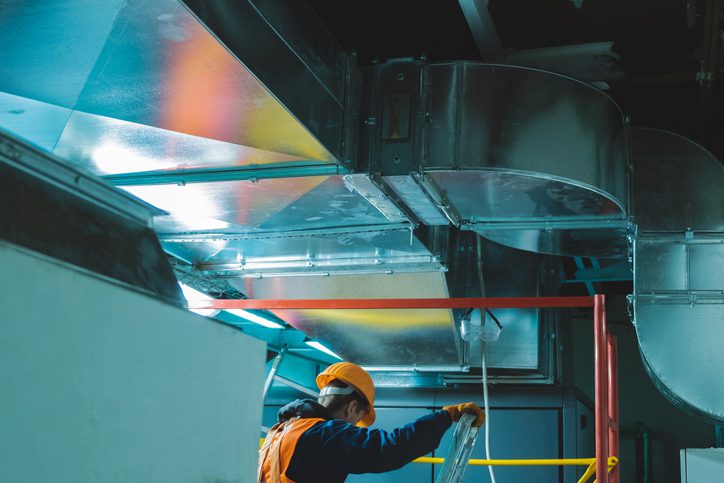
Maintenance procedures will increase the HVAC system life and minimize energy use. Sometimes sealings can be improved by applying the fabric fiberglass or any other hardy materials on the vital joints during maintenance. Also, it is unnecessary to exclude fiberglass insulation around the ductwork and gasketed connections since it would reduce the amount of heat loss and enhance energy efficiency. Regular maintenance would guarantee that the system is functioning well and its parts are not overstressed as a result of leakages.
Enhancing System Performance
Good gasketing will lead to the performance of the entire HVAC systems. Gaskets can take care of this by providing conditioned air to every part of a building efficiently by keeping the air tight. This results in less fluctuation of temperatures, less use of energy and less expenditure on utilities. Good quality gaskets also help avoid the passage of dust, moisture and other contaminants that may destroy inner parts.
Other than energy efficiency, protection against air leaks will improve the comfort and security of building occupants. Correctly sealed connections in the systems will also result in less strain and will minimize the possibility of mechanical failure and also increase the service life of the equipment. Use of non-combustible materials like fabric fiberglass in places of serious concern and proper maintenance of gasketed joints can help in the long-lasting and viable working of the systems.
Conclusion
To avoid air leaks during the HVAC systems, it is only possible to prevent them with the right choice of gaskets, correct installation of gaskets, and regular maintenance. Technicians can make longer lasting seals by using tough fabric fiberglass materials and incorporating the use of fiberglass insulation where necessary to enhance the efficiency of the system and lower the energy bill. Good gasketing adds comfort to the interiors and provides uniform performance in addition to protecting equipment. The time and resources spent on these practices can provide quantifiable results to both business-based and home-based HVAC systems.