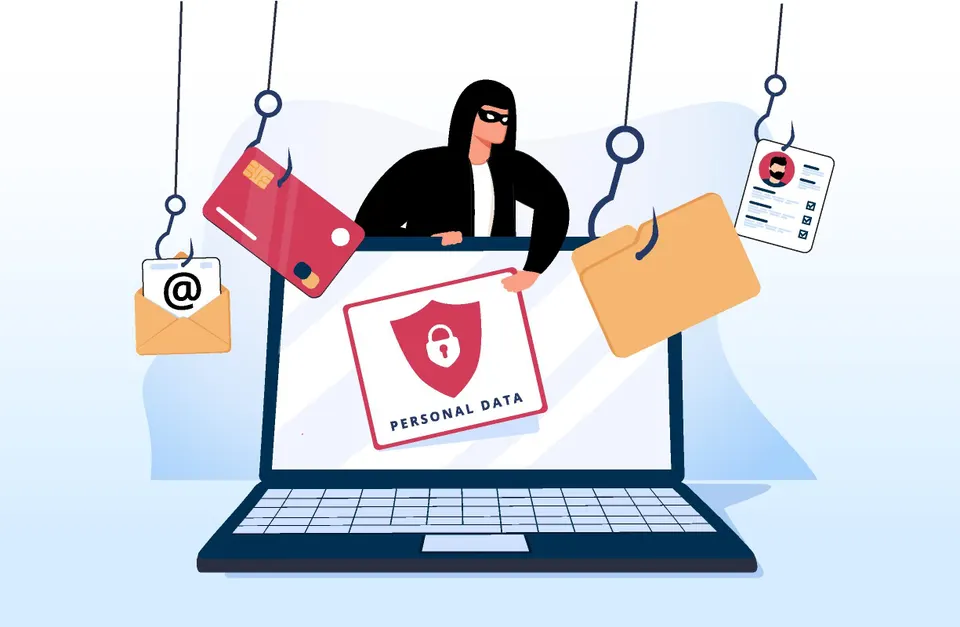
Investment fraud has always relied on information gaps. A promoter knows more than the investor, a broker controls the account relationship, or an online platform shows numbers the customer cannot independently verify. Technology has widened those gaps in some schemes, but it has also created a much better record of what happened.
A practical shift in 2026 is not that regulators suddenly catch every fraud in real time. They do not. The shift is that more schemes now leave searchable, timestamped, traceable evidence: social posts, account portals, trading records, crypto transfers, emails, chat logs, device data, ad libraries, and public filings. That evidence can expose patterns that were harder to prove when fraud was built mostly around phone calls and paper statements.
For investors, the practical lesson is direct. Technology can help detect fraud, but it does not replace careful verification, evidence preservation, and early analysis when a digital pitch, broker recommendation, or trading platform begins to look wrong. California investors and investors in other markets should treat the digital record as part of the legal evidence, not just as background noise.
Key Takeaways
- Fraud detection has become more data-driven because scams now move through social media, fake platforms, AI-generated content, digital ads, and electronic payment rails.
- According to the FBI, cyber-enabled crimes reported to IC3 caused nearly $21 billion in losses in 2025, with investment fraud accounting for nearly 49 percent of scam-related losses.
- The FTC reported that scams starting on social media produced $2.1 billion in reported losses in 2025, and investment scams were the largest loss category within that group.
- Regulators are watching AI claims more closely because false technology promises can be used to sell investments, promote securities, or disguise ordinary fraud as innovation.
- Investors should preserve digital evidence before confronting a promoter, closing an account, deleting messages, or relying only on screenshots inside a questionable platform.
Why Fraud Detection Became a Technology Problem
The scale of digital fraud has made manual review inadequate. The FBI’s 2025 Internet Crime Report release says IC3 received 1,008,597 complaints in 2025. The same release reported nearly $21 billion in cyber-enabled crime losses and stated that investment fraud remained the primary driver of scam-related losses.
Social media has made the problem easier to scale. The FTC Data Spotlight reported that nearly 30 percent of people who lost money to a scam in 2025 said it began on social media. The FTC also reported $2.1 billion in social-media scam losses that year, including $1.1 billion tied to investment scams.
Those numbers matter because the fraud surface has changed. A scammer no longer needs a boiler room full of cold callers. One operation can buy ads, create fake profiles, run private messaging groups, show a fake trading dashboard, and use payment channels that move money quickly. Regulators and lawyers now need to reconstruct conduct across platforms, not just read account statements.
What Regulators Can See Now
Digital records can help investigators, regulators, and counsel connect conduct that used to look isolated. When records are available, they can show promotional timing, account activity, payment movement, platform changes, and the sequence of statements made to investors. Digital evidence can also show when an investor saw a claim, clicked a link, entered a portal, wired money, received a statement, or asked to withdraw funds.
FINRA’s investor alert on artificial intelligence and investment fraud warns that bad actors are using AI’s popularity and complexity to lure victims. FINRA also notes that false AI-related claims can appear in pump-and-dump schemes, fake websites, deepfake videos, and misleading investment materials.
That type of warning reflects a broader reality. Technology can expose coordination. If a stock promotion, crypto pitch, or private investment platform is pushed through repeated posts, copied testimonials, synthetic identities, or sudden account activity, the pattern itself can become evidence. The same is true when a broker or adviser used email, text messages, account notes, electronic signatures, or recorded calls to recommend an unsuitable product or conceal risk.
How Fraudsters Use the Same Tools
Fraudsters are also using better tools. AI can generate polished pitch decks, realistic images, fake executive videos, cloned voices, automated chat responses, and websites that look more credible than the business behind them. A fake platform can show account growth, permit a small withdrawal to build trust, and then demand fees, taxes, or additional deposits before larger withdrawals are allowed.
The technology is persuasive because it creates an experience that feels operational. Investors see a login page, balance history, chat support, charts, transaction IDs, and testimonials. None of that proves the investment is real, registered, suitable, or accurately described. It only proves that someone built an interface.
Investor.gov explains that investors should research before investing, know the salesperson, verify licensing, and be cautious when online praise cannot be matched to independent financial information. Those steps are especially important when a pitch arrives through social media, messaging apps, video ads, or a referral from someone who may also be repeating a scripted promotion.
Two Examples That Show the Pattern
For example, the SEC’s actions against Delphia and Global Predictions show how technology language itself can become part of the alleged misconduct. The SEC reported that the firms made false and misleading statements about their purported use of AI. The settled orders required $400,000 in total civil penalties. The investor takeaway is that an AI label does not verify an investment process.
For example, the CFTC’s AI scams advisory describes Mirror Trading International, where Cornelius Johannes Steynberg stole more than $1.7 billion in bitcoin from at least 23,000 people. The advisory states that customers were told a proprietary bot trading program could produce large monthly returns, while very little money was actually traded.
These examples are different, but the evidence theme is similar. Digital claims, platform records, social promotion, account histories, and payment paths can help show what investors were told and where money went. Technology does not automatically solve the case, but it can give investigators and counsel a stronger factual record than a purely verbal pitch.
What Investors Should Preserve
When an investment begins to look suspicious, the first priority is evidence. Investors should save the original emails, text threads, portal screenshots, account statements, order confirmations, wire receipts, ACH records, crypto wallet addresses, transaction hashes, pitch decks, subscription documents, social posts, usernames, domain names, call notes, and withdrawal requests.
- Emails and complete message threads.
- Account statements and trade confirmations.
- Portal screenshots showing balances, withdrawals, and login history.
- Wire receipts, ACH records, and bank confirmations.
- Crypto wallet addresses and transaction hashes.
- Pitch decks, offering documents, and subscription papers.
- Social posts, ads, usernames, and group messages.
- Call notes with dates, names, and promised next steps.
- Withdrawal denials, fee demands, or tax-payment requests.
- Any changed explanation after losses or withdrawal problems appeared.
It is also important to preserve context. A screenshot of a fake account balance is useful; a full sequence showing the pitch, investment decision, additional funding requests, withdrawal denial, and changing explanations is better. If a promoter later deletes a page, edits a profile, changes a domain, or claims that the investor misunderstood the risk, dated evidence can matter.
Investors should avoid sending more money just to unlock an account, pay a supposed tax, or qualify for a larger withdrawal without independent verification. They should also be careful about recovery scams, where a second scammer claims to trace or recover losses for an upfront fee.
When Broker or Adviser Conduct Is Involved
Some technology-driven losses involve strangers and fake platforms. Others involve a registered broker, investment adviser, or financial professional who used digital tools while making a recommendation. The legal analysis changes when there was a customer relationship, a securities recommendation, an account duty, a disclosure obligation, or a supervisory failure.
A securities fraud attorney reviewing a technology-driven loss will usually look beyond the platform screen and examine who made the recommendation, what was disclosed, how the account was supervised, and whether the records support the investor’s version of events.
Examples can include unsuitable recommendations, misrepresented risk, unauthorized trading, excessive trading, selling away, failure to supervise, false account records, or a recommendation to move money outside a protected brokerage account. In those situations, early securities fraud lawyer guidance can help investors organize the evidence, identify responsible parties, and evaluate whether the facts support a claim.
The central question is not whether technology appeared in the pitch. The question is what was represented, who made the representation, what records exist, how the money moved, and whether a person or firm with legal duties failed to meet them.
Frequently Asked Questions
Can technology prove that an investment was fraudulent?
Technology can provide strong evidence, but it usually does not prove the whole case by itself. The useful record may include communications, account records, payment trails, trading activity, platform data, and the timing of disclosures or withdrawals.
Are AI investment tools always a red flag?
No. AI can be used legitimately in finance, but investors should verify whether the seller is registered, whether the product is real, how the strategy works, what risks are disclosed, and whether performance claims are supported by independent records.
Why do fake investment platforms look so convincing?
Scammers can copy legitimate design patterns, generate realistic dashboards, automate support messages, and show fake gains. A polished portal is not proof of custody, registration, liquidity, or real trading.
What should an investor do before deleting messages or closing accounts?
Preserve the evidence first. Save full threads, export records where possible, download statements, capture URLs, record dates, and keep payment confirmations before confronting a promoter or changing access.
When does a technology-driven scam become a securities fraud issue?
It may become a securities fraud issue when the scheme involves securities, false or misleading investment statements, broker or adviser misconduct, unsuitable recommendations, unauthorized trading, or other conduct tied to investment duties and investor losses.