Photo courtest of Connor Scott McManus on Pexels
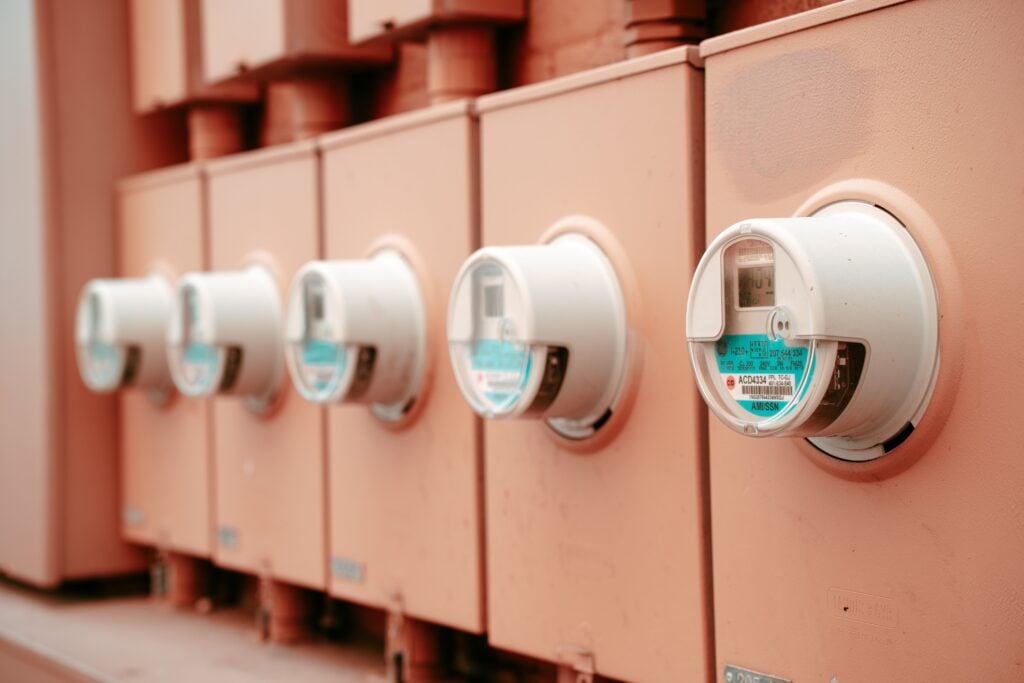
For decades, Texans learned about their electricity habits once a month, from a single number at the bottom of a bill. That number now arrives in 15-minute slices, and it is quietly changing how people buy power. The timing helps explain why anyone cares. Tight grid conditions do not guarantee outages. They do make a badly matched plan more expensive.
Fifteen-minute data changed what shoppers can see
Where the data lives
At that resolution, a vague sense that summer is expensive becomes a chart with a clear pattern: the late-afternoon block where the compressor runs almost continuously and the meter climbs whether anyone is home or not.
You can reach the readings through state-sponsored portals or your retailer’s dashboard, where they usually show up as daily charts and threshold alerts. Interval data settles a key question about free-nights-and-weekends plans: whether one saves you money depends entirely on how much of your load falls inside the free window, and interval data answers that in a few minutes instead of a few billing cycles.
The number you shop with
Visibility also changes which number people shop with. A house can look efficient in April and consume far more in August, so an annual average hides the months that hurt, and a plan that prices well at 1,000 kWh can look very different at 2,200 kWh in peak heat. Pull your highest-usage month, then price every offer at that level as you learn how to choose an electricity provider in Texas. Energy Texas competes on that kind of clarity, promoting plain-language plans and a simpler shopping experience, because the retail pitch in Texas has shifted from cents per kilowatt-hour toward whether a customer can predict the bill at all.
Some households go further once they can see the shape of their own demand. Pre-cooling before the afternoon peak, or nudging the thermostat up two degrees during it, may show up in the next interval chart, which is a faster feedback loop than waiting for a statement.
Plan structures behave differently when the heat lands
Tracking your power use is only half the battle—your plan’s structure determines the final bill. Texas residential options generally follow four frameworks:
|
Plan Type |
How Pricing Works |
Best For |
Main Summer Risk |
|
Fixed-Rate |
Sets a constant price per kWh |
Reliable, year-round budgeting |
Higher bills solely from higher volume |
|
Bill-Credit |
Unlocks a credit at a strict usage milestone (e.g., 1,000 kWh) |
Uniform, predictable energy users |
Falling short by a few kWh voids the discount |
|
Time-of-Use |
Charges varying rates based on the time of day |
Homes that can delay laundry/charging |
Peak-hour AC runtime gets expensive |
|
Variable-Rate |
Prices move with the wholesale market |
Maximum flexibility without a contract |
Wholesale market spikes during August heatwaves |
Pay close attention to bill-credit structures. Missing a threshold by a single kilowatt-hour can erase your expected savings entirely.
Shifting usage works, but only so far
Time-of-use pricing rewards households that can move laundry and dishwashing out of the late-afternoon peak.
Behavior is the harder variable. Schedules built around work shifts and bedtimes do not bend on command. Treat hour-shifting as a discount layered on a plan you already understand. Two hours of peak-hour air conditioning erases the savings faster than a rescheduled load of towels creates them.
Transparency is the new pressure point
The TDU is the local wires company that maintains the poles and delivers power to your home. Shoppers who compare only the advertised cents-per-kWh figure routinely miss the fixed monthly fee and the pass-through delivery charges sitting underneath it, which is exactly where a high-usage August bill gets its final shape.
Delivery costs are also where the next argument is happening. The policy work is still unfinished. Until it settles, read the delivery line rather than assuming it holds steady.
Five things to check before you sign
None of this takes an afternoon. It takes one browser tab and your real usage number.
-
Confirm you have a choice at all.
-
Open the Electricity Facts Label. The headline rate tells you very little on its own.
-
Match the term to your life. A 36-month contract signed weeks before a move out of the service area can trigger steep early termination fees.
-
Note the end date. Expiring contracts can roll onto month-to-month pricing, so read the auto-renewal language when you sign and start shopping about 30 days out.
-
Test the support before you need it. Call or message the retailer with a billing question while you are still comparing. How quickly you get a straight answer is part of the product.
The bill is no longer a black box
Nobody needs to forecast the wholesale market to shop well in a deregulated state.
The data that once belonged only to the utility now sits in a portal you can open tonight, and the plan you sign decides what that data ends up costing you in August. Better information has not made electricity cheaper in Texas; it has made the difference between a good plan and a bad one much easier to prove before you commit.