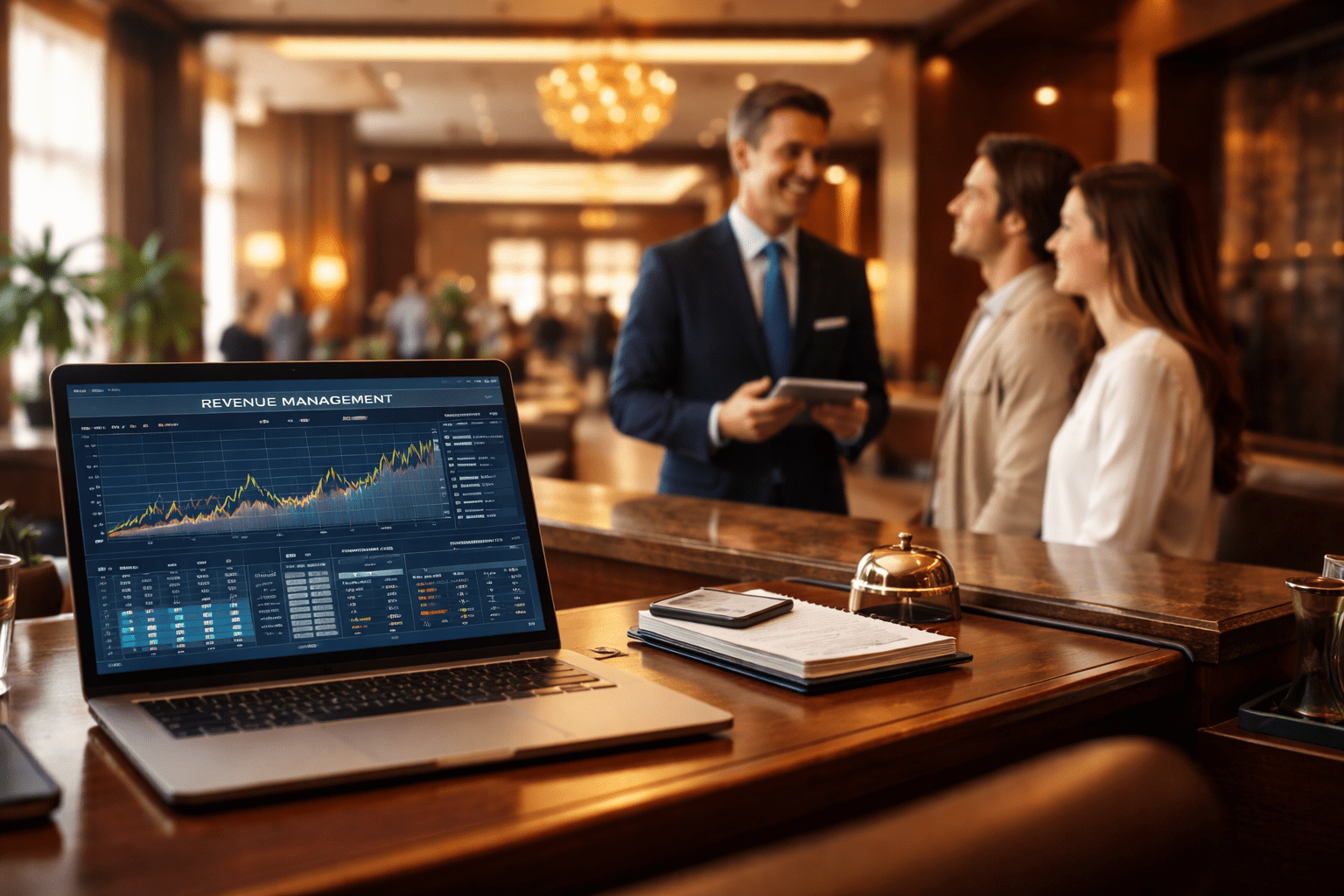
Dynamic pricing works by adjusting room rates in real-time based on market demand, competitor pricing, and supply levels. This strategy allows hotels to maximize their profits by charging more during high-demand events and lowering prices to attract guests during slow periods. By moving away from fixed rates, hotels can capture more revenue from every booking and ensure that no room goes to waste.
For years, the hospitality business followed a rigid schedule. You had “peak” rates for summer and “off-peak” rates for winter, and those numbers rarely moved. This old-school method worked when people booked through travel agents or over the phone, but the internet changed everything.
Now, travelers compare dozens of options in seconds. To stay competitive, the dynamic pricing hotel industry approach has become the standard. It treats hotel rooms like airline seats—perishable inventory that loses all its value the moment the sun goes down if it isn’t sold.
Moving Beyond Static Rate Cards
Setting a price and leaving it alone for six months is a recipe for lost income.
Why Real-Time Adjustments Matter
Prices need to reflect the current pulse of the market rather than a prediction made months ago. When a hotel uses the dynamic pricing hotel industry model, it can react to a sudden surge in interest, such as a localized protest, a tech conference, or even a sudden change in the weather that keeps people in town. If you don’t change your rates when demand spikes, you are essentially giving away profit to guests who would have been willing to pay more.
The Role of Automation in Modern Bookings
Technology has removed the need for manual updates every hour.
Sophisticated software now handles the heavy lifting of price management. These systems look at thousands of variables simultaneously to find the “perfect” price. Instead of guessing, managers can rely on data to tell them exactly when to push for a higher rate or when to offer a discount to fill a floor.
Here are the primary data points these systems track:
- Competitor Pricing: Knowing exactly what the hotel across the street is charging.
- Historical Occupancy: Looking at how the property performed on this same Tuesday last year.
- Current Lead Time: Tracking how fast rooms are being snatched up for future dates.
- Market Events: Monitoring local concerts, festivals, or sports games.
- Web Traffic: Seeing how many people are looking at specific dates on the hotel website.
Financial Gains Through Better Data
The primary goal of any pricing change is to improve the bottom line.
Improving RevPAR and Occupancy Rates
Revenue Per Available Room (RevPAR) is the most critical metric for any owner. Using dynamic pricing in hotel industry strategies ensures that RevPAR stays high even when occupancy isn’t at 100%. By balancing the price and the number of rooms sold, a hotel can make more money with 80% occupancy at a high rate than with 100% occupancy at a low rate.
Research from organizations like STR Global shows that RevPAR growth is increasingly driven by the Average Daily Rate (ADR) rather than just getting more bodies in beds. This highlights why staying flexible with pricing is so effective for long-term financial health.
There are several benefits of dynamic pricing in hotel industry management that go beyond just the total revenue:
- Reduced Wastage: Selling a room at a discount is always better than letting it sit empty.
- Increased ADR: Capturing the “extra” money guests are willing to pay during holidays or big events.
- Better Staffing: Predicting busy nights allows for smarter labor scheduling, which lowers costs.
Strategies for Different Guest Types
Not every traveler is looking for the same thing, and your pricing should reflect that diversity.
Segmenting the Market for Better Margins
Different guests have different “pain points” when it comes to what they are willing to spend.
Business travelers often book at the last minute and care more about location than cost. Families, on the other hand, might book months in advance and look for the absolute lowest price. By using dynamic pricing in hotel industry tools, you can offer “Early Bird” specials to families to get a baseline occupancy, while keeping a few rooms open at a premium price for the last-minute corporate traveler.
How Independent Hotels Compete with Big Chains
Smaller properties often worry that they can’t keep up with the tech budgets of massive brands.
However, cloud-based tools have made high-level analytics accessible to everyone. The benefits of dynamic pricing in hotel industry operations are now available to boutique inns and local bed-and-breakfasts. This allows smaller players to protect their margins without having to hire a full-time revenue manager.
Consider these tactical advantages for smaller properties:
- Direct Booking Incentives: Offering a lower “dynamic” rate on your own site compared to Expedia.
- Length of Stay Discounts: Automatically lowers the nightly rate if a guest stays for four nights instead of one.
- Last-Minute “Flash Sales”: Moving remaining inventory at 4 PM on a slow Tuesday to cover basic utilities.
Balancing Profit with Customer Trust
While the data says “raise prices,” the human element of hospitality requires a bit more caution.
Avoiding the Trap of Price Gouging
If a guest feels like they are being taken advantage of, they won’t come back.
The dynamic pricing hotel industry standard must be used carefully to avoid “sticker shock.” Transparency is the best tool here. Most travelers understand that a hotel is more expensive on New Year’s Eve than on a random Monday in February. Problems only arise when prices seem random or unfair.
A study featured in the International Journal of Hospitality Management suggests that consumers are more accepting of price changes when they are tied to clear “rules,” such as non-refundable vs. refundable rates. If the guest understands why the price is different, they are less likely to leave a negative review.
Using Value to Justify Rates
One way to maintain high prices without upsetting guests is to add value. During peak demand, instead of just raising the price of the room, a hotel might include a free breakfast or a late checkout. This makes the higher price feel like a “package” rather than just a demand-driven hike. It preserves the brand’s reputation while still hitting those higher profit targets.
Future Trends in Room Valuation
We are moving toward a world where pricing isn’t just about the date, but about the individual guest.
The Rise of Hyper-Personalization
The next phase of dynamic pricing in the hotel industry involves analyzing a guest’s history. If a guest always books a suite and buys dinner at the hotel restaurant, the system might offer them a lower room rate because their “total spend” is higher. This shift moves the focus from “selling a room” to “managing a relationship.”
This personalized approach ensures that your most loyal customers feel valued, even when the market is booming. It creates a win-win scenario: the hotel gets guaranteed revenue from a reliable guest, and the guest feels they are getting a “deal” that isn’t available to the general public.
The shift toward fluid rates is the most significant change in hospitality finance in the last twenty years. By leveraging the benefits of dynamic pricing in hotel industry models, owners can protect their businesses during slow periods and capitalize on busy ones. As long as the strategy is balanced with a focus on the guest experience, the potential for profit growth is nearly limitless.
Frequently Asked Questions
Why do hotel prices change so frequently?
Prices change to match demand. When many people want a room, the price goes up; when fewer people are booking, the price drops to attract more guests.
Is it cheaper to book a hotel at the last minute?
It depends on occupancy. If the hotel is nearly empty, you might find a deal, but if it’s almost full, the remaining rooms will be very expensive.
How do hotels decide their daily rates?
They use software to track competitor prices, local events, historical data, and current booking speed to find the most profitable price for that moment.