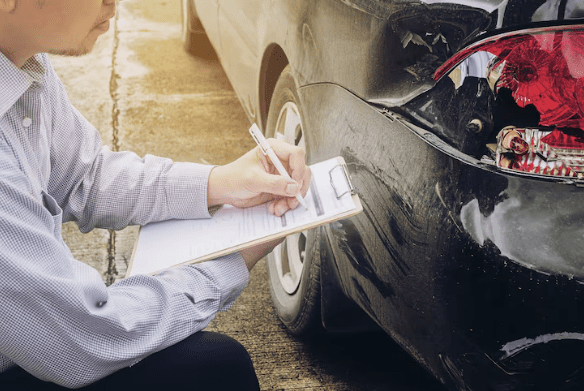
Accidents often happen suddenly, but understanding how they occur usually requires a careful and systematic investigation. Whether the incident involves a traffic collision, workplace injury, or public safety event, investigators must analyze multiple forms of evidence to determine what actually happened.
Accident investigations serve several important purposes. First, they help identify the immediate cause of an incident. Second, they allow authorities and organizations to determine responsibility or liability when necessary. Finally, they provide insights that can help prevent similar accidents in the future.
In recent years, accident investigations have become far more sophisticated. Advances in technology, digital evidence, and data analytics have transformed the way investigators gather and interpret information. According to the U.S. National Highway Traffic Safety Administration (NHTSA), modern vehicle and traffic data systems have significantly improved accident analysis by providing objective measurements of speed, braking behavior, and vehicle movement before collisions occur.
But before investigators begin analyzing complex data, they must first manage the critical moments immediately after an accident occurs.
The Moment an Accident Happens
The first phase of any accident investigation begins the moment emergency responders arrive at the scene. Police officers, paramedics, or safety officials are responsible for securing the area, ensuring injured individuals receive medical attention, and preventing further harm.
At this stage, preserving the accident scene is essential. Investigators attempt to prevent unnecessary disturbance of evidence that could later help explain the incident. For example, the position of vehicles, debris patterns, or damaged infrastructure may provide important clues about how the accident occurred.
Authorities often document initial conditions through photographs, written notes, and official incident reports. These early observations may include factors such as weather conditions, visibility, traffic flow, and road surface conditions. Even small details, such as lighting conditions or traffic signal timing, can become important later in the investigation.
Once the immediate situation is stabilized and documented, investigators begin gathering evidence that will help reconstruct the sequence of events.
First Evidence Collected
Evidence collection forms the foundation of an accident investigation. Investigators aim to gather as much relevant information as possible while the scene remains intact.
Common forms of evidence collected at accident sites include photographs of damage, measurements of road markings, and statements from witnesses who observed the incident. Physical evidence such as vehicle parts, broken glass, or tire marks may also be carefully recorded.
Witness testimony can provide valuable context, although investigators understand that human memory is not always perfectly reliable. For this reason, investigators often combine witness statements with physical and digital evidence to form a more complete picture.
In many modern investigations, digital evidence plays an increasingly important role. Surveillance cameras, dashcams, and nearby security systems may provide video footage showing exactly how an accident unfolded. Smartphones may also capture photos or videos taken by bystanders.
However, collecting evidence is only the beginning. Investigators must next analyze the scene carefully to understand what those pieces of information actually mean.
Investigators Study the Details
Once the initial evidence has been collected, investigators begin analyzing the physical environment of the accident scene. This stage often involves careful measurements and technical analysis.
For example, investigators may examine skid marks left on the road to estimate how fast a vehicle was traveling before braking. Damage patterns on vehicles can reveal the direction and angle of impact. Similarly, debris patterns can help determine the sequence of events during a collision.
Environmental factors also play an important role. Investigators consider variables such as road design, traffic signals, signage visibility, weather conditions, and lighting. These elements may influence driver behavior or contribute to the likelihood of an accident occurring.
In complex cases, accident reconstruction specialists may join the investigation. These experts apply principles of physics and engineering to analyze how forces, speeds, and angles interacted during the incident.
While these traditional investigative techniques remain essential, modern accident analysis increasingly relies on digital technologies to provide additional insights.
Technology Helps Analyze the Incident
Technological advancements have dramatically improved the accuracy and depth of accident investigations. Today, investigators can access multiple forms of digital data that provide detailed information about events leading up to an accident.
Many modern vehicles contain event data recorders (EDRs), sometimes referred to as “black boxes.” These systems record information such as speed, throttle position, braking activity, seatbelt usage, and steering input seconds before and after a collision. According to the NHTSA, these devices are present in more than 95% of new passenger vehicles sold in the United States.
Investigators may also analyze data from traffic cameras, GPS systems, and mobile phone records to determine location and movement patterns. Advanced software can combine these data sources to reconstruct the timeline of events leading up to the accident.
Accident reconstruction software allows investigators to simulate collisions using physics-based models. By entering measurements from the scene and vehicle specifications, investigators can recreate how vehicles moved before impact and estimate speeds and forces involved.
AI and technology provides valuable insights, but interpreting them requires specialized expertise. Data alone cannot determine responsibility; it must be evaluated within the context of legal standards and factual circumstances.
Determining What Actually Happened
After collecting and analyzing evidence, investigators work to reconstruct the sequence of events that led to the accident. This process involves combining multiple forms of information to build a coherent timeline.
Physical evidence, digital records, and witness statements are compared to determine how each factor contributed to the incident. Investigators may identify causes such as driver error, mechanical failure, environmental hazards, or violations of safety regulations.
In many cases, investigators also examine whether certain factors increased the risk of an accident occurring. For example, poor road design, inadequate signage, or defective vehicle components may play a role.
The conclusions reached during this stage often form the basis for insurance claims, regulatory actions, or legal disputes. In incidents involving injuries or disputed liability, legal professionals may review investigative findings to understand how responsibility should be interpreted under applicable laws.
For instance, when accident investigations reveal complex technical details, consulting professionals such as a Palm Beach Gardens Personal Injury Attorney may help interpret investigative findings and assess how those facts relate to personal injury law and liability considerations.
Once investigators have established a clear understanding of what happened, the findings often move into legal and administrative review.
How Legal Professionals Use the Findings
Accident investigation reports often become important documents in legal and insurance proceedings. These reports summarize evidence, expert analysis, and conclusions about how an incident occurred.
Attorneys may examine these reports alongside medical records, repair estimates, and additional expert testimony to evaluate the legal implications of the accident. Insurance companies also review investigation findings to determine compensation decisions and policy responsibilities.
In some cases, additional experts, such as engineers, medical professionals, or accident reconstruction specialists, may provide further analysis to clarify specific aspects of the incident.
Legal professionals must also ensure that evidence presented in court meets strict standards of reliability and admissibility. Digital evidence, for example, must be authenticated and preserved correctly to maintain its legal validity.
By combining investigative evidence with legal expertise, attorneys can better understand the circumstances of an accident and develop arguments that reflect the facts of the case.
Conclusion
Accident investigations are complex processes that bring together science, technology, and legal analysis. From the moment an incident occurs to the final evaluation of evidence, investigators follow a structured approach designed to uncover the truth behind unexpected events.
Modern technologies, such as vehicle data recorders, surveillance systems, and reconstruction software, have made these investigations far more precise than in the past. At the same time, traditional investigative skills and professional expertise remain essential for interpreting evidence and understanding its broader implications.
Ultimately, accident investigations serve an important purpose beyond determining responsibility. By identifying the factors that contribute to accidents, they help improve safety standards, inform legal decisions, and reduce the likelihood of similar incidents in the future.