Look around any major city, and you will notice a vibrant glow lighting up the streets. The world is getting brighter and more connected through things like massive digital billboards in Manila and interactive screens in local shopping malls.
Direct-to-Consumer (DTC) LED manufacturing is a major driver of this rapid change. Previously, businesses had to sell through multiple intermediaries, but now they can purchase a digital screen directly from the manufacturer. This streamlines the purchasing process, decreases costs, and decreases delivery speeds. It allows smaller businesses to access top-tier technology that used to be reserved for giant corporations.
By cutting out the extra steps, DTC LED manufacturing powered by advanced Chinese tech is completely changing Southeast Asia’s digital world. As we look ahead to 2026, the Philippines is seeing significant growth in digital signage. High return on investment (ROI) and incredible new screen features are giving businesses the exact tools they need to stand out. Let us look closely at how this technological shift is lighting up the region.
What are LED Displays and Why are They Important?
An LED screen is a high-definition display technology used in Commercial Out-of-Home (OOH) advertising, often integrated into Digital Signage Infrastructure to deliver dynamic, scalable visual communication solutions.
LED stands for Light Emitting Diode. Small lights crowd together on a flat screen to produce pictures, videos and text. These lights are so bright that you can see them out in the sun on a very sunny day.
These displays are purely essential to digital developments. They help share information quickly and clearly. A hospital will be able to display wait times, an airport will be able to update flight times, and a store will be able to promote a big sale. They are a powerful way to grab people’s attention.
We are already finding them in our everyday lives. As you pass through the highway, giant digital billboards have changing advertisements. At a concert, massive screens let the people in the back row see the singer perfectly. They have been interwoven in the way we move around the world, purchase and amuse ourselves.
The Rise of Direct-to-Consumer (DTC) in LED Manufacturing
DTC means buying straight from the factory. In the past, businesses in the Philippines that wanted a digital billboard had to buy it from a local distributor. The distributor would get it from a regional supplier, who would then buy it from the manufacturer. Every single person in that chain added an extra fee to make a profit.
Buying direct brings huge benefits for both consumers and businesses. The most obvious benefit is better pricing. Without intermediaries marking up costs, businesses save a lot of money. The second significant advantage is a quicker delivery. You order it out of the factory, and they deliver it to your door. You also get direct support from the people who actually built your screen.
DTC is completely shaking up the old ways of buying LED screens. Small businesses that could never afford a digital sign before can now easily order one. This puts the playing field on equal terms. It now means that a local coffee shop can get a glowing, high-definition menu board, just like a huge fast-food chain.
How China Became the Leader in LED Technology
China is a leader in LED production. It has taken decades to construct huge factories and educate talented engineers in the country. This focus on electronics means they can produce screens faster and more efficiently than almost anywhere else. Their scale of production drives down costs, making digital screens affordable for the whole world.
These Chinese factories offer a remarkably high Return on Investment (ROI) for buyers. When a business invests in an LED screen, it wants that screen to generate more revenue than it costs. Chinese factories make this easy by providing three key things:
- Affordable production: The initial cost is low, so the business pays off the screen quickly.
- High-quality output: The screens are built to withstand tough weather, resulting in fewer repair bills.
- Fast development of new tech: Factories quickly add the newest features, so businesses get modern technology without a premium price tag.
Companies like UnifyLED display manufacturer, show exactly how this works. As a leading global factory, they are constantly pushing the boundaries of display technology. They provide high-performance indoor and outdoor screens directly to clients worldwide, including the Philippines, ensuring top quality and strong ROI.
Southeast Asia’s Digital Landscape in 2026
The Southeast Asian digital economy is expanding rapidly. There is an increased presence of people going online, using smartphones, and shopping online. According to reports, the digital economy in this region is expanding rapidly due to its young, technology-savvy population.
The Philippines shows this growth well. The country’s economy is improving, and companies are embracing new technologies to meet customer needs. It is projected that the digital signage market will exceed $ 250 million by 2033, with 2026 being a significant year for the Philippine digital signage industry.
There is a big demand for digital signs and displays. Malls, churches, schools, and local governments want better ways to communicate with people. Chinese technology is meeting this need by providing low-cost yet high-quality screens. The businesses in the Philippines, through these factories, are replacing their physical locations with digital displays.
How Chinese tech factories provide high ROI and advanced tech to the Philippine Market
Chinese tech factories are not just sending basic screens to the Philippines. They are bringing highly advanced technology that completely changes how businesses operate.
By offering direct shipping with DDP (Delivered Duty Paid) shipping terms, these reliable display suppliers in the PhiliSppine market are dominating the local supply chain. They make it easier for businesses to access top-tier displays without relying on multiple intermediaries. Under DDP, the suppliers handle all associated shipping costs, including duties and taxes, offering businesses in the Philippines a hassle-free, cost-effective solution. This shift not only ensures fast, efficient service but also allows businesses to remain competitive in the rapidly growing digital economy.
Bringing Advanced Technology
The LEDs that these factories produce are brighter than ever and consume less energy. This implies that companies can keep their screens bright throughout the day without incurring a massive electric bill.
Factories are also producing flexible and transparent screens. LED screens in their windows, letting customers see the ads and the products behind them simultaneously. Smart features are also becoming common. Screens now integrate with AI to change advertisements based on the weather or the time of day.
High ROI for Philippine Businesses
For business owners in the Philippines, these advanced screens provide a fantastic return on investment. This technology provides highly cost-effective solutions for advertising and public information.
A digital billboard can display 10 different advertisements per minute. This makes a great contribution to business visibility and customer interaction. Having a digital menu board at a restaurant will make it appear modern and appealing, which will bring in more people on the ground.
Moreover, there are also new employment opportunities in the locality as a result of this technological explosion. The Philippines now needs skilled workers to set up, program, and maintain these advanced display systems.
Real-world Examples
By 2026, this technology will be everywhere. Large digital billboards in Manila withstand strong typhoons while displaying clear 3D images. In Cebu’s big shopping malls, touchscreens help shoppers find their way. In schools, digital screens have replaced chalkboards. Teachers can now show fun, interactive science experiments right in the classroom.
Impact on Different Sectors
The DTC LED manufacturing boom is changing almost every type of business in Southeast Asia.
Advertising and Marketing: Static paper billboards are becoming a thing of the past. Moving ads attract far more human interest than still pictures. Only one click is needed to update advertisers’ campaigns across an entire city.
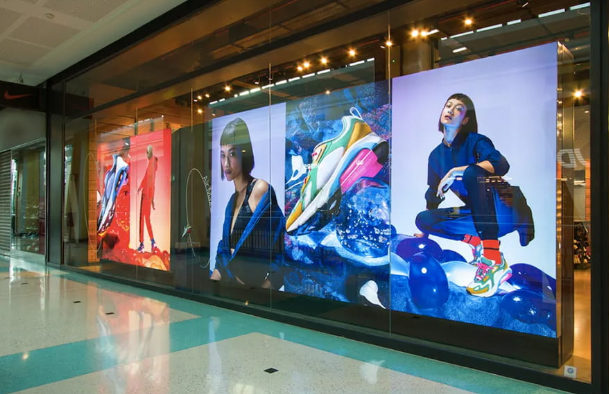
Retail: LED displays are used to produce improved shopping experiences in stores. The posters are high-definition, and fashion models are displayed wearing the clothes next to the display. This image is a direct sales push.
Education: LED walls are being installed in classrooms and auditoriums of schools and universities. Interactive learning involves the students. A geography lesson would be far more interesting when there is a huge, glowing display of a mountain range flyover in high definition.
Transportation: Airports, buses, and train stations depend on clear information. The huge, bright LED displays ensure that passengers can read arrival and departure times from a distance, minimizing confusion and overcrowding.
Entertainment: Massive stage screens are used at concerts, sporting events, and local festivals. These screens ensure that every individual in the crowd is perfectly in line with the action, heightening the overall entertainment experience.
Challenges and Future
Even with all this progress, some obstacles must be overcome. Competition is fierce. As more businesses buy LED screens, there is less shine per screen. To maintain people’s attention, it is best to create highly engaging, creative content. Keeping abreast with the fast-evolving technology is yet another problem. Buying a screen now could make you seem a bit old-fashioned in five years, when even higher resolutions will be available.
However, the future is very bright. Further innovation will simply make these screens lighter, brighter and cheaper to operate. The technology will be more affordable to even the smallest local businesses.
The current relationship between Chinese production and Southeast Asian economies will remain strong. Chinese factories supply the hardware, the engineering, and the creative applications, while Southeast Asian businesses supply the expanding audience.
Conclusion
Direct-to-Consumer LED manufacturing has changed how businesses get technology. By connecting Chinese factories directly with buyers, the digital world in Southeast Asia is growing fast in 2026.
The Philippines is seeing big changes. From the busy streets of Manila to schools and churches, digital displays are making communication faster, brighter, and more exciting. With high returns on investment (ROI), businesses of all sizes can join this digital change without going into debt.
The future of Southeast Asia is bright and digital. As technology improves, the way we share information and connect will keep getting better.