
How Controlled Environments Are Supporting Modern Pharmaceutical and Laboratory Operations

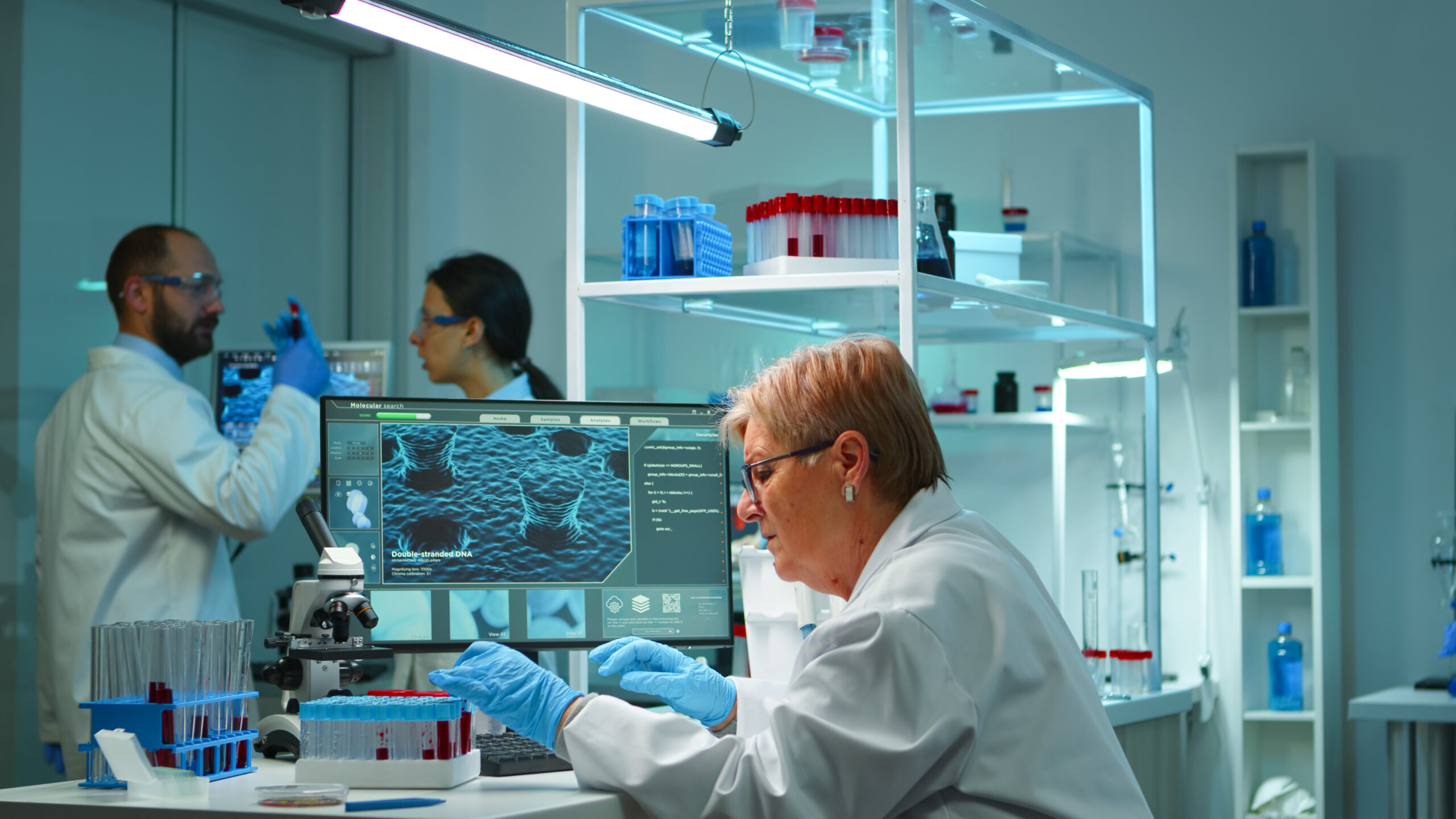
Modern pharmaceutical, biotechnology, and laboratory operations depend on far more than advanced equipment and skilled personnel. The environment itself can directly affect product quality, research reliability, contamination risk, and long-term testing.
Temperature, humidity, airborne particles, pressure relationships, and airflow all need to be controlled differently depending on the application.
That is why cleanrooms, environmental chambers, monitoring systems, and carefully designed HVAC infrastructure have become essential parts of many regulated facilities.
The challenge is not simply creating a clean space. It is maintaining predictable conditions every day and being able to demonstrate that those conditions remain within defined limits.
Cleanrooms Are Designed Around Contamination Control
An ordinary room may look clean while still containing large numbers of airborne particles and microorganisms.
A cleanroom is different because its design focuses on controlling contamination.
This may involve:
- filtered air
- controlled airflow
- pressure differentials
- specialized wall and ceiling systems
- sealed surfaces
- controlled entry points
- monitoring equipment
- carefully designed HVAC systems
The exact design depends on how the space will be used.
A pharmaceutical manufacturing environment, for example, may have different requirements from an electronics assembly facility or medical-device laboratory.
Organizations planning a canada clean room project therefore need to think beyond room size and finishes. Air handling, operational workflow, filtration, equipment layout, cleaning procedures, personnel movement, and validation requirements can all influence the final design.
Airflow Is One of the Most Important Variables
Cleanroom performance depends heavily on how air moves through the space.
The goal is not simply to circulate large quantities of air. Airflow should help remove particles, maintain the required cleanliness level, and support pressure relationships between adjacent areas.
HEPA filtration is commonly used in controlled environments to capture very small airborne particles before supplied air enters the room.
The placement of supply and return air also matters.
Poor airflow patterns may create areas where particles accumulate or where the intended pressure relationship becomes difficult to maintain.
This is why cleanroom HVAC should be engineered together with the rest of the facility rather than added as an afterthought.
Pressure Relationships Help Control Contamination
Pressure differentials can be used to influence how air moves between rooms.
For example, a clean area may be maintained at a higher pressure than a surrounding less-clean space so that air tends to move outward when a door opens.
In other applications, negative pressure may be required to help contain hazardous or sensitive materials.
The correct approach depends on the process.
What matters is that pressure relationships are designed intentionally and monitored appropriately.
Doors, pass-through systems, personnel flow, material movement, and HVAC balance can all affect whether the intended pressure strategy performs consistently.
Temperature and Humidity Affect More Than Comfort
Temperature and relative humidity are often associated with employee comfort, but in laboratories and pharmaceutical environments they can have much broader implications.
Environmental conditions may affect:
- product stability
- material properties
- manufacturing processes
- instrumentation
- microbial growth potential
- packaging
- long-term storage
This means temperature and humidity control must often be more precise than in a standard commercial building.
Systems also need to respond to changing loads caused by people, equipment, lighting, and seasonal outdoor conditions.
A controlled environment should remain stable even when operational conditions change.
Stability Testing Requires Consistent Conditions
Pharmaceutical and other regulated products may need to be evaluated over time under specified environmental conditions.
This is where a stability chamber becomes important.
A stability chamber is designed to maintain defined temperature and humidity conditions so products can be monitored over a planned period.
Depending on the study, testing may help organizations understand how a product changes during storage and how factors such as heat or humidity may influence its characteristics.
Consistency is critical.
If chamber conditions fluctuate outside the required limits, the reliability of the study may be affected.
That is why environmental control, monitoring, alarms, calibration, and documentation all matter alongside the physical chamber itself.
Monitoring Creates Visibility
A controlled environment is only useful if operators know that conditions are actually being maintained.
Monitoring systems may track variables such as:
- temperature
- humidity
- room pressure
- particle levels
- equipment status
Data can provide early warning when conditions begin moving away from expected ranges.
This is important because some environmental deviations may not be obvious to staff simply by entering the room.
A space can feel normal while a sensor detects that temperature, humidity, or pressure is gradually changing.
Real-time monitoring therefore supports both operational awareness and documentation.
Alarms Should Lead to Action
An environmental alarm is valuable only if the organization knows how to respond.
Facilities should establish clear procedures for what happens when a parameter goes outside a defined range.
That may include:
- notifying responsible personnel
- investigating equipment
- documenting the event
- assessing affected materials
- restoring environmental conditions
- determining whether further action is required
The response should be proportionate to the situation.
A short, minor variation may have different implications from a prolonged environmental failure.
The important point is that alarm management should be part of facility planning rather than something developed only after an incident occurs.
Validation Confirms That Systems Perform as Intended
Installing equipment is not necessarily the end of a controlled-environment project.
Regulated operations may require documented evidence that rooms and systems perform according to their intended design.
Validation activities can involve checking conditions such as airflow, pressure, temperature, humidity, filtration, and other performance parameters.
The specific requirements depend on the facility and applicable standards.
This process helps confirm that the environment is not merely designed correctly on paper but is actually operating within the required parameters.
Ongoing maintenance and periodic testing may also be necessary to help ensure that performance remains consistent over time.
Modular Systems Can Offer Flexibility
Traditional cleanroom construction can involve substantial building work.
Modular cleanroom systems offer another approach.
Because walls, ceilings, service panels, and other components can be integrated into a modular design, facilities may gain more flexibility when configuring controlled areas.
This can be useful for organizations that expect future expansion or process changes.
However, modular does not mean simple.
Airflow, HVAC capacity, utilities, equipment placement, material flow, and regulatory requirements still need careful planning.
The advantage comes from using a flexible construction system without compromising the engineering behind the controlled environment.
Maintenance Should Be Planned From the Beginning
Controlled environments depend on mechanical and monitoring systems that require ongoing attention.
Filters may need replacement. Sensors require calibration. HVAC components need servicing. Door seals, controls, and monitoring systems should be checked.
Maintenance becomes easier when access to these components is considered during the design stage.
A system that performs well but is extremely difficult to service can create unnecessary downtime later.
Facility teams should therefore think about long-term operation before installation is complete.
Controlled Environments Are Part of the Quality System
Cleanrooms and stability chambers are sometimes viewed as standalone pieces of infrastructure.
In reality, they are part of a broader quality system.
Environmental design, equipment, monitoring, procedures, documentation, personnel practices, and maintenance all need to work together.
A cleanroom with excellent filtration can still face problems if personnel flow is poorly controlled. A stability chamber with precise temperature control can still create issues if alarms are ignored or monitoring records are incomplete.
Technology is important, but disciplined operation is equally important.
Reliability Comes From Integrated Design
Modern pharmaceutical and laboratory facilities depend on controlled environments because many processes require predictable conditions.
Cleanrooms help manage contamination risk. Stability chambers create consistent conditions for long-term testing. HVAC systems regulate airflow, temperature, humidity, and pressure. Monitoring systems provide visibility into how those environments are performing.
The strongest facilities bring these elements together from the beginning.
Instead of treating rooms, HVAC, chambers, controls, and validation as separate decisions, integrated planning helps ensure that each system supports the others.
That approach can improve reliability, simplify operation, and make it easier for organizations to maintain the conditions their processes depend on.






Comment