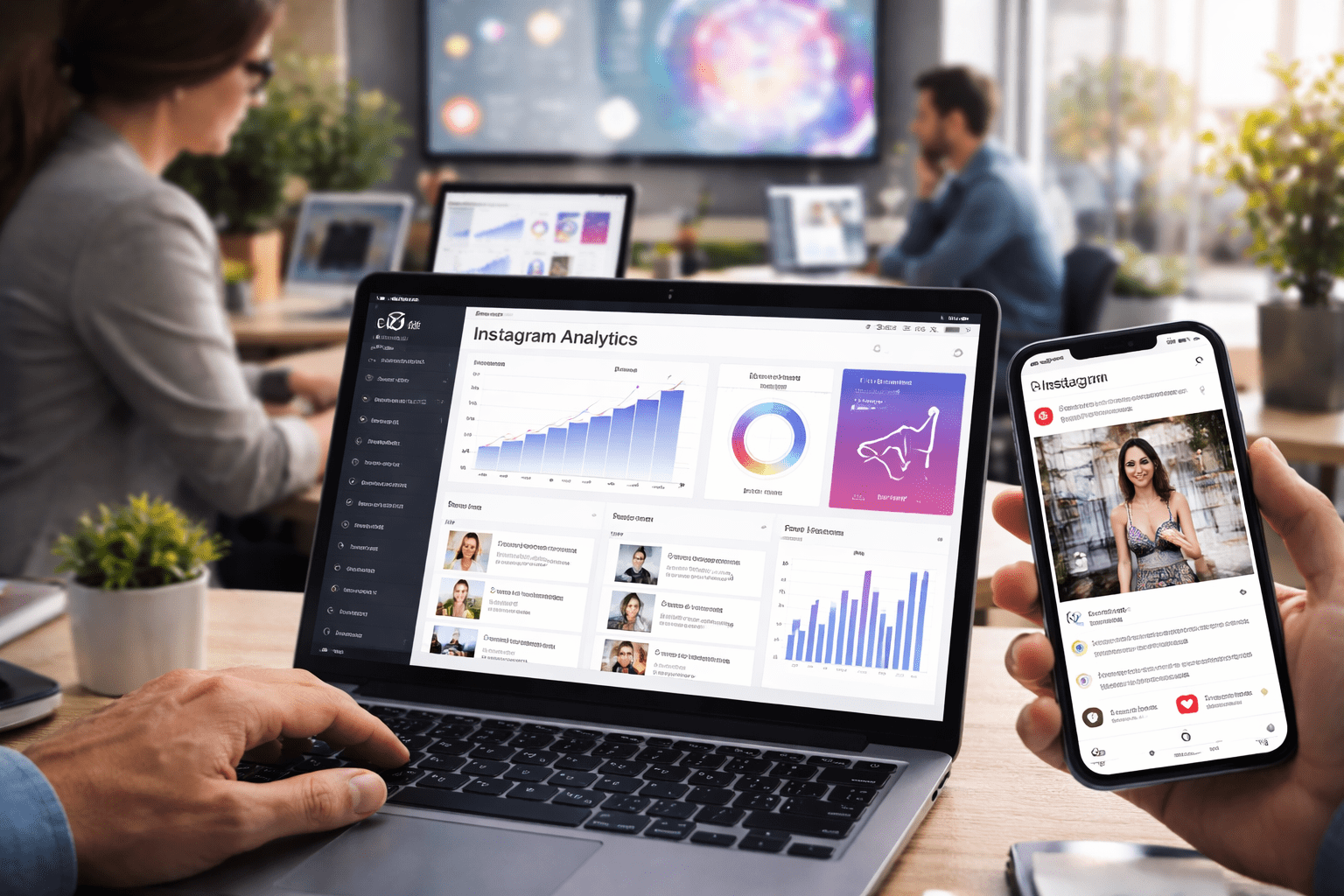
Most brands try to make their mark on Instagram. It takes more than creative visuals to compete for attention. It requires strategic implementations that are driven by data and measurable results. Data-driven marketing helps brands to optimize their campaigns, drive more engagement, and become more effective in reaching their target audiences. In this guide, you will find out how brands are using the information to get better results on Instagram and create real connections with their audience.
Setting Clear Objectives
Brands set specific goals before launching any campaign. These goals could be to gain followers, increase engagement rates, or increase website traffic. A clear purpose gives brands a guiding light for analyzing and measuring results using Instagram analytics. This data allows them to see what has succeeded in the past and where they need to improve. Such a structured approach helps ensure that each activity aligns with the larger business goals.
Analyzing Audience Insights
Instagram gives you insights into who your followers are and how they interact with content. Brands can explore demographic segments like age, gender, location, and even digital behavior. This kind of analysis helps marketers customize content based on the audience’s interests. Brands then use that information to decide when to post, what tone to use, and which content style generates the most engagement. By utilizing these strategies, brands can build stronger and more meaningful engagement with their audience.
Content Performance Tracking
Each post has a story, and data shows which stories capture attention. Brands track metrics for every upload, such as likes, comments, shares, and saves. This information shows which topics, formats, and visuals perform best. Reviewing this feedback enables teams to concentrate on creating more content that resonates with their audience. As this process continues, engagement and brand loyalty tend to grow.
Optimizing Posting Schedules
Timing plays an important role in how many people see a post. Brands use data to identify when their followers are most active. Posting during these time windows helps content receive maximum visibility. This increases the likelihood of meaningful interaction. Because social media trends constantly shift, regular analysis helps keep posting schedules effective and relevant.
Utilizing Hashtag Analytics
Choosing the right hashtags enables content to reach beyond its current audience. Brands examine which tags generate the most visibility and interaction. Tracking hashtag performance over time reveals trending topics and helps avoid overused or irrelevant tags. Teams improve their hashtag strategies to attract new audiences and expand their communities.
Monitoring Competitor Activity
Observing similar accounts provides a valuable perspective. Brands analyze competitors’ most successful posts, engagement levels, and audience responses. This provides an insight into the emerging trends and a content gap to fill. This allows brands to tweak their strategies, as it helps them understand what attracts strong buying behavior among audiences, maintaining the upper hand over competitors.
Tracking Influencer Collaborations
Collaborating with influencers has emerged as an effective strategy for increasing reach. Data helps the brands to analyze and understand which partnerships lead to the best results. Referral traffic, spikes in engagement, and new followers tell the story of success. From this data, companies can identify more promising future partners and adjust their campaign style.
Ad Campaign Performance
When managed properly, paid promotions can deliver amazing results. Brands monitor metrics such as click-through rates, conversions, and cost per result. These indicators help evaluate campaign effectiveness. Based on performance data, teams can make real-time adjustments to improve outcomes. This precise measurement helps ensure marketing budgets generate the best possible return.
Adapting Strategies Based on Feedback
Strategies based on data are never static. Brands consistently alter their strategies based on new insights. Consistent periodic reviews of performance indicators identify areas for improvement. Such flexibility enables squads to adapt to the way audiences change and how content trends evolve.
Conclusion
Instagram success involves more than just posting pretty images. Whether setting objectives, calibrating content, or optimizing messaging, brands depend on data throughout the process. They use sophisticated analytics to create appealing, exciting experiences that retain customers and achieve business goals. By making informed decisions, brands can ensure every step contributes to long-term growth and stronger audience relationships.