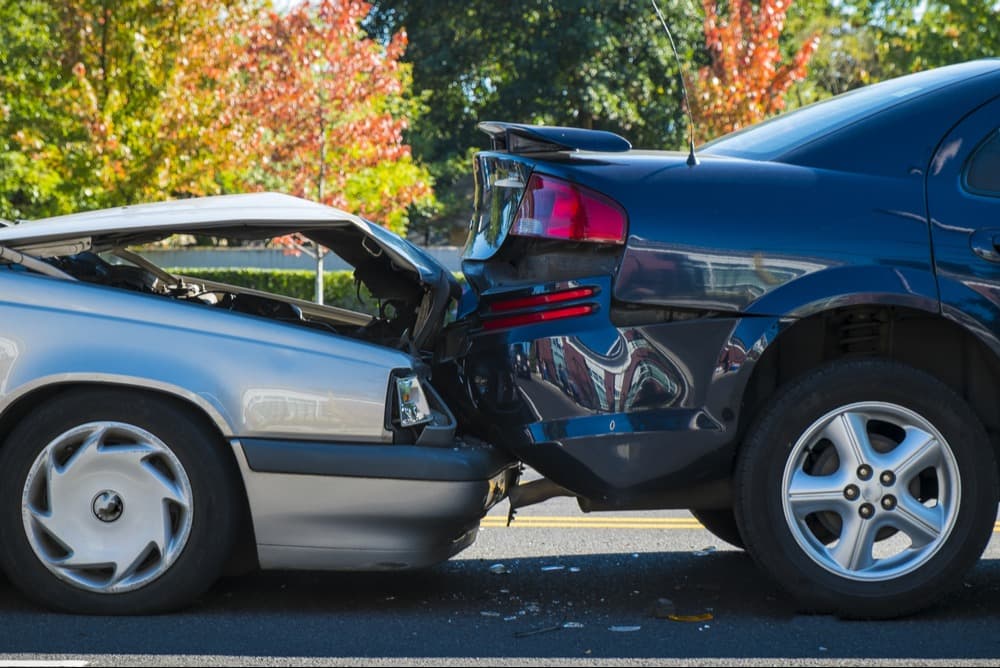
Rear end collisions are among the most common types of car accidents, but that does not mean every claim is simple. Experienced auto injury attorneys investigate how the crash happened, deal with insurance companies, collect medical evidence, and evaluate the full effect of the injuries before seeking compensation.
Insurance companies may still dispute fault, question whether the collision caused the injuries, or argue that medical treatment was unnecessary. A lawyer can help organize the evidence and respond to these issues throughout the claim.
The Attorney Investigates How the Collision Happened
Many rear end accidents occur when one driver fails to stop in time and strikes the vehicle ahead. However, an attorney should still review the facts rather than assume every case will be uncontested.
The investigation may include:
- Traffic collision reports
• Photographs of the vehicles
• Accident scene photographs
• Dashcam footage
• Surveillance video
• Witness statements
• Traffic signal information
• Vehicle damage evidence
In multi vehicle collisions, the investigation can become more complicated. One vehicle may be pushed into another, or several impacts may occur within seconds.
The attorney must determine which driver or drivers may be responsible and whether more than one insurance policy could apply.
Insurance Companies May Still Dispute Liability
Even when a client was struck from behind, the insurance company may look for reasons to reduce or deny the claim.
The insurer may argue that:
- The driver in front stopped suddenly
• A third vehicle caused the collision
• The injured person contributed to the crash
• The impact was too minor to cause injury
• The vehicle damage does not support the claim
An attorney can review the available evidence and respond to arguments that are not supported by the facts.
California follows comparative fault rules, which means disputes about each person’s share of responsibility can affect the amount of compensation recovered.
Medical Evidence Is a Major Part of the Claim
The insurance company will usually review when medical treatment began, what injuries were diagnosed, and whether the treatment appears connected to the accident.
Rear end collisions may cause injuries involving:
- The neck
• The lower back
• The shoulders
• The head and brain
• The spine
• The knees
• Other parts of the body
Some symptoms may appear immediately. Others may become more noticeable after the initial shock of the crash has passed.
The attorney may collect records from emergency rooms, primary care doctors, chiropractors, imaging centers, orthopedic specialists, neurologists, physical therapists, pain management doctors, and surgeons.
Complete medical documentation can help show the progression of the injuries and the treatment required.
Attorneys Address Arguments About Low Vehicle Damage
Insurance companies often point to limited visible vehicle damage when disputing an injury claim.
However, vehicle damage and physical injuries are separate issues. The appearance of a bumper does not automatically determine whether a person was injured.
An attorney may review:
- Repair estimates
• Vehicle photographs
• Impact location
• Occupant position
• Medical findings
• Imaging results
• Prior medical history
• Symptoms reported after the crash
The goal is to present the complete evidence rather than allow the insurer to focus on one photograph or repair estimate.
The Lawyer Reviews Prior Injuries and Medical Conditions
A prior injury does not automatically prevent someone from recovering compensation after a new accident.
However, the insurance company may examine earlier medical records and argue that the symptoms existed before the collision.
An attorney may compare:
- Medical records before the crash
• Symptoms before the crash
• Treatment after the crash
• New diagnoses
• Changes shown on imaging
• Changes in physical limitations
A collision can sometimes aggravate an existing condition. The claim should clearly distinguish between earlier medical issues and the effects of the new accident.
The Attorney Identifies All Available Insurance Coverage
The at fault driver’s liability insurance is often the first source of compensation, but it may not be the only one.
Depending on the circumstances, coverage may include:
- The at fault driver’s policy
• The vehicle owner’s policy
• An employer’s commercial policy
• Rideshare insurance
• Uninsured motorist coverage
• Underinsured motorist coverage
This can be especially important when the injuries are serious and the at fault driver has limited insurance.
An attorney should review how the accident happened, who owned the vehicles, and whether any driver was working or using a rideshare platform at the time.
Auto Injury Attorneys Calculate the Full Value of the Claim
A rear end collision claim may involve more than medical bills.
Depending on the facts, compensation may include:
- Past medical expenses
• Future medical treatment
• Lost income
• Reduced earning capacity
• Pain and suffering
• Physical limitations
• Permanent impairment
• Emotional distress
The value of the claim depends on the injuries, treatment, recovery, available insurance, evidence, and other circumstances.
A lawyer should review the complete effect of the accident before recommending whether to accept a settlement offer.
The Attorney Prepares a Settlement Demand
Once the claim is ready to be evaluated, the law firm may prepare a settlement demand for the insurance company.
The demand may include:
- A description of the accident
• Evidence of liability
• Medical records
• Medical bills
• Information about lost income
• Photographs
• Other evidence of damages
The demand should explain both how the collision happened and how the injuries affected the client.
The insurance company may accept the demand, make a lower offer, request more information, or dispute parts of the claim.
The Lawyer Negotiates With the Insurance Company
Insurance companies may begin with offers that do not reflect the full value of the claim.
An attorney can compare the offer with the available evidence, medical treatment, injuries, and insurance coverage.
Negotiations may involve disputes about:
- Fault
• Medical treatment
• Prior injuries
• Future care
• Lost income
• Pain and suffering
The lawyer should explain the strengths and weaknesses of the case before the client decides whether to accept a settlement.
A Lawsuit May Be Necessary in Some Cases
Many rear end collision claims settle without a trial. However, some cases require litigation.
A lawsuit may become necessary when:
- Liability remains disputed
• The insurer denies that the crash caused the injuries
• The parties disagree about the value of the claim
• The insurance company refuses to make a reasonable offer
During litigation, the case may involve written discovery, depositions, expert opinions, motions, and other court procedures.
An attorney should be prepared to continue pursuing the claim when settlement negotiations do not resolve the dispute.
Contact Auto Injury Attorneys After a Rear End Collision
Experienced auto injury attorneys can investigate a rear end collision, collect evidence, deal with insurance companies, document injuries, and pursue compensation for the losses caused by the crash.
Bojat Law Group represents people injured in rear end accidents and other serious collisions throughout Southern and Central California. The firm handles car accidents, truck accidents, motorcycle crashes, Uber and Lyft accidents, pedestrian accidents, catastrophic injuries, and wrongful death cases.
Bojat Law Group has recovered more than $100 million for clients and offers free consultations 24 hours a day, 7 days a week.
Call Bojat Law Group at (818) 877-4878 to discuss your rear end collision claim. There is No Win No Fee, which means you pay no attorney fee unless compensation is recovered.