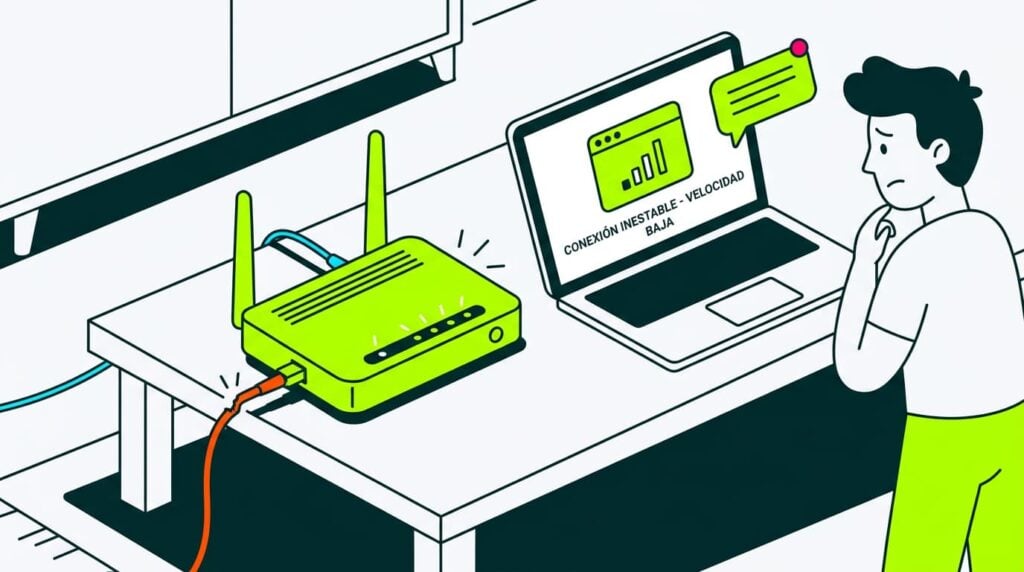
Despite providers’ best efforts, many clients complain about their broadband connections. Given the price tag attached to this service, it is natural to expect rare interruptions or disturbances. Yet, more often than not, users tend to struggle to perform their daily activities despite paying generously. In this article, let’s look at the most common broadband issues people report and how to resolve them.
Problems with broadband connections
Consumers usually do not shy away from revealing what issues they experience at their home. When it comes to broadband connections, the most common ones include the following:
- The most frequent culprit of user dissatisfaction is slower downloads and uploads.
- Slower speeds than advertised or promised are also issues that many clients report.
- Hardware issues, particularly those related to routers.
- Internet outages for a few hours or even days are less common, but also possible. They can relate to scheduled maintenance, but can also be triggered by unexpected conditions.
- The price they pay for their internet services.
Hence, most issues relate to unexpected connection drops, slower speeds, and general pricing that does not match the service received. Thankfully, you are not helpless in this case and can perform several actions to make a difference.
How to pay less for broadband
If you feel the price for internet services is unfair, you don’t have to stick around with your provider. Of course, it might be more complicated if you have a fixed-term contract with them. Then, you might have to wait until it expires to switch to another provider.
However, nothing is stopping you from contacting your current provider and explaining your situation. If you have been a loyal client with no previous issues, you might receive some special conditions, such as upgrading your internet to unlimited plans. Then, you could turn to an internet data selling app, which could compensate for a portion of your expenses. That means you use a trusted service that facilitates internet sharing with other people, such as Honeygain.
Besides perks and upgrades, your provider could have specialists check your home to detect issues that may be triggering internet problems.
Read the conditions of your broadband contract
Before signing a broadband contract, always check what additional conditions it features. For example, you may be exposed to network control, when providers slow down connections during peak hours (usually in the evenings).
Also, look for mentions of how much freedom your ISP has when it comes to your connection. Sometimes, they could retain the right to slow down connections engaging in particular activities (usually deemed as bandwidth-heavy).
General home setup recommendations
Sometimes, your broadband internet might struggle to perform because of a flawed setup. For instance, your router might be positioned incorrectly, and other devices could operate on the same frequency, generating interference. Fixing the router position is relatively simple, and you can also change the frequency channel to a less crowded one. This can be particularly useful in apartment buildings, where many routers work in proximity.
Additionally, consider how many of your personal devices are connecting to the internet. The more devices you regularly use, the higher the chances of not seeing the performance you would like.
In conclusion
All clients expect the best service possible when it comes to their broadband connections. However, while providers play a role in how they perform, other personal factors can also influence them significantly. Hence, the best course of action when experiencing broadband issues is to attempt to troubleshoot them. If you cannot seem to find a reason or a solution, contact your provider. In case issues persist and the provider seems unable or unwilling to help, begin shopping around for a new contract.