
Sober Living in Grand Junction: How a Recovery Residence Bridges the Gap Between Treatment and Home

Finishing a treatment program is a real accomplishment. But many people find that walking out the door and straight back into their old environment is harder than they expected. The same stressors, the same people, and the same routines can quickly test a recovery that is only weeks old.
That is where sober living Grand Junction options come in. A recovery residence offers a structured, substance-free place to live while you practice the skills you learned in treatment and rebuild your life one day at a time.
What is a recovery residence?
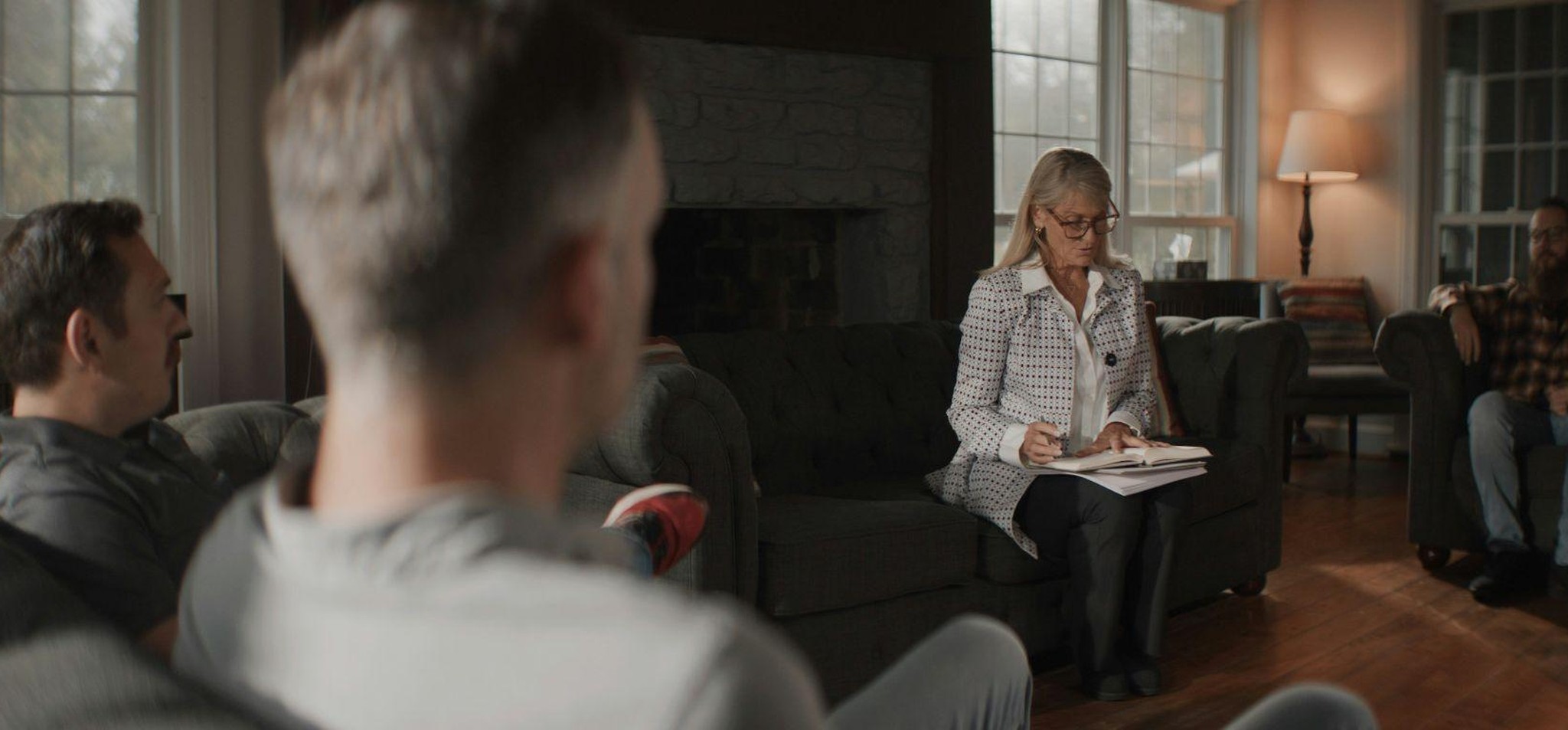
A recovery residence, often called a sober living home, is a shared living environment for people in recovery from substance use. Residents agree to stay alcohol- and drug-free, follow house rules, and support one another. Unlike residential treatment, a recovery residence is not a clinical program. Residents typically work, attend school, or take part in outpatient treatment during the day and return home in the evening.
Recovery residences vary in how much structure and support they provide. Some are peer-run homes with basic rules. Others are staffed by house managers and connected to a treatment provider, offering more accountability and easier access to services.
Why the transition after treatment matters
The first months after treatment are often when people are most vulnerable to relapse. Cravings can still be strong, new coping skills are not yet automatic, and everyday pressures like finances, relationships, and work can feel overwhelming. A sober living home creates a buffer during this period. It gives people time to strengthen their recovery before taking on full independence. It also gives family members time to heal and rebuild trust at a healthier pace.
How sober living connects with ongoing care
The most effective recovery residences work hand in hand with outpatient treatment. Residents can attend intensive outpatient or standard outpatient sessions while living in a stable environment, which helps them apply what they learn in therapy right away.
Ava Health operates recovery residences in Grand Junction through its Transitional Housing program, with separate homes for men and women, as part of a full continuum of addiction and mental health care, so residents can stay connected to clinical support while they build independence.
What daily life in sober living looks like
Every home is different, but most recovery residences share a few common features:
- A substance-free environment
- House meetings and shared responsibilities such as chores and cooking
- Curfews, especially during the first weeks of residence
- Expectations to work, volunteer, attend school, or participate in treatment
- Encouragement to attend recovery meetings or peer support groups
These expectations are not meant to be punishing. They create routine and accountability, two things that help recovery take root.
The benefits of living in a recovery residence
A study of 300 sober living residents in California, published in the Journal of Psychoactive Drugs in 2010, found that residents improved on alcohol and drug use, employment, and arrests over 18 months, and kept those gains even after most had moved out. Beyond the data, residents often point to something simpler: living with people who understand what they are going through.
Peer support makes it easier to stay honest, ask for help, and celebrate milestones. Many residents form friendships that last long after they move out. A sober living home also offers a chance to practice everyday life skills, from budgeting to handling conflict, in a setting where support is close by.
Common misconceptions about sober living
Some people hesitate to consider a recovery residence because of what they assume it will be like. A few common misconceptions:
- "It is only for people who have relapsed." Many residents move in straight from treatment as a planned next step, not because something went wrong.
- "I will lose my independence." Residents keep their jobs, manage their own schedules, and come and go within house guidelines.
- "It is just like treatment." Sober living is a home, not a clinical program. Therapy happens in outpatient care, while the residence provides structure and community.
- "I have to stay for a long time." Length of stay is usually flexible and based on individual progress and goals.
Understanding what sober living actually involves can make the decision feel less like a step back and more like a step forward.
How to choose a sober living home
Not all sober living homes offer the same quality of support. When comparing options in Grand Junction, ask:
- Are there house managers or staff on site?
- What are the rules around curfew and guests?
- Is the home connected to treatment providers or outpatient services?
- How long do residents typically stay?
- What happens if a resident relapses?
A good home will answer these questions openly and help you understand whether it is a fit for where you are in recovery.
Is sober living right for you?
Sober living can be especially helpful if your home environment includes substance use, if you are leaving residential treatment or detox, or if you simply want more structure as you adjust to life in recovery. Length of stay depends on each person's progress. In Ava Health's program, a typical stay is 60 to 120 days.
If you are unsure, talk with your treatment team or therapist. They can help you weigh your home environment, support system, and recovery goals to decide whether a period in sober living makes sense before returning home.
Recovery does not end when a program does. With a safe place to live and people who support your goals, the next chapter can be built on solid ground.
Previously in Business news: Operation Bangladesh Pilot Phase Concludes as Morad Shaker Weighs Four European Jurisdictions for Shaker Global Poverty Reduction







Comment