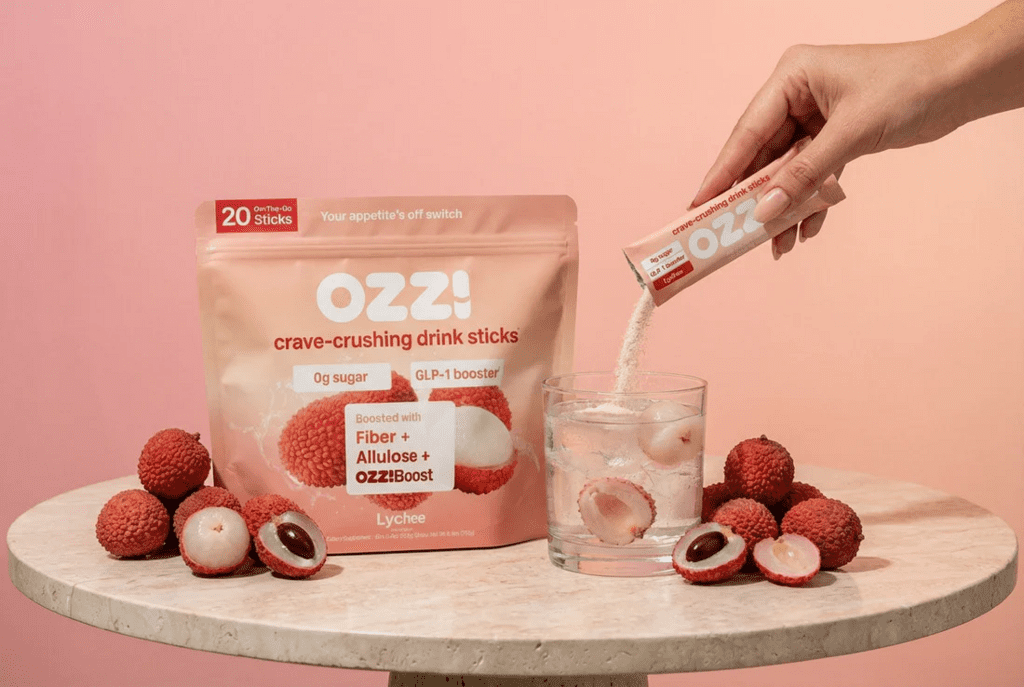
The wellness industry has witnessed a surge in products designed to support metabolic health, with GLP-1 supplement drinks emerging as a particularly promising category. These beverages leverage glucagon-like peptide-1, a hormone naturally produced in the gut that plays a critical role in appetite regulation and glucose metabolism. What distinguishes the latest generation of these drinks, however, is the integration of artificial intelligence—technology that’s enabling unprecedented levels of personalization in nutritional supplementation.
By analyzing individual metabolic markers, dietary patterns, and health objectives, AI systems can now optimize GLP-1 drink formulations in ways that were impossible just a few years ago. This convergence of endocrinology and machine learning represents a fundamental shift from one-size-fits-all supplements toward truly individualized nutrition strategies.
The Science Behind GLP-1 and Metabolic Health
Glucagon-like peptide-1 functions as a key regulator in the body’s metabolic orchestra. Secreted by intestinal cells in response to food intake, this incretin hormone stimulates insulin release from pancreatic beta cells while simultaneously suppressing glucagon secretion. The net effect is improved glycemic control—a mechanism that has made GLP-1 receptor agonists a cornerstone of type 2 diabetes treatment.
Beyond glucose regulation, GLP-1 exerts powerful effects on satiety. The hormone slows gastric emptying and activates receptors in the hypothalamus that signal fullness, making it a valuable target for weight management interventions. Research published in leading endocrinology journals has demonstrated that enhancing GLP-1 activity can reduce caloric intake by 15-20% without conscious restriction—a finding that has driven significant interest in supplementation strategies.
The broader metabolic benefits extend to cardiovascular health as well. Studies have shown that GLP-1 activity correlates with improved lipid profiles and reduced inflammatory markers, suggesting that supporting this pathway may offer protection beyond simple weight loss or glucose control.
How Modern GLP-1 Drinks Function
Unlike pharmaceutical GLP-1 receptor agonists, which are administered via injection, GLP-1 supplement drinks work by stimulating the body’s endogenous production of the hormone. These formulations typically combine several mechanisms:
- Nutrient signaling: Specific amino acids, particularly L-glutamine and L-arginine, have been shown to trigger GLP-1 secretion from intestinal L-cells.
- Fiber complexes: Soluble fibers slow nutrient absorption, prolonging the intestinal phase that stimulates GLP-1 release. To learn more, refer to this detailed medical article.
- Polyphenol compounds: Plant-derived molecules that enhance incretin sensitivity and may protect GLP-1 from enzymatic degradation.
- Micronutrient cofactors: Minerals like zinc and magnesium that support the cellular machinery involved in hormone synthesis.
The AI component enters through continuous optimization. Machine learning algorithms analyze user data—including glucose responses measured via continuous monitors, reported satiety levels, and weight trends—to adjust ingredient ratios and timing recommendations. This creates a feedback loop where the supplement becomes progressively more effective for each individual user.
The Convenience Factor: Drink Mixes and Single-Serve Packets
Adherence remains the primary obstacle in any supplementation regimen. GLP-1 drink mixes and packets address this challenge through practical design considerations that fit modern lifestyles:
- Rapid preparation: Most formulations dissolve completely in cold water within 30 seconds, eliminating the need for blenders or shaker bottles
- Travel compatibility: Individual packets occupy minimal space and don’t require refrigeration, making them viable for business travel or commuting
- Flexible timing: Unlike meal replacement shakes, these drinks can be consumed 15-20 minutes before eating to maximize GLP-1 response during the meal
- Taste engineering: Advanced flavoring systems mask the bitterness of certain amino acids without relying on artificial sweeteners that might interfere with metabolic signaling
The packet format also enables precise dosing, which is particularly important given that GLP-1 response follows a dose-dependent curve. Too little may produce negligible effects, while excessive amounts can cause gastrointestinal discomfort in sensitive individuals.
Natural Approaches to GLP-1 Enhancement
For those preferring whole-food strategies, several dietary components have demonstrated the ability to boost endogenous GLP-1 production. These natural options can complement or, in some cases, substitute for concentrated supplements:
- Fermented foods: Kimchi, sauerkraut, and kefir contain probiotics that modulate gut microbiota composition in ways that enhance incretin secretion.
- Omega-3 fatty acids: Found in fatty fish and algae, these lipids improve GLP-1 receptor sensitivity.
- Resistant starch: Present in cooled potatoes and green bananas, this carbohydrate type resists digestion in the small intestine, reaching the colon where it stimulates GLP-1 release.
- Curcumin: The active compound in turmeric has been shown to upregulate GLP-1 receptor expression in animal models.
Natural formulations offer the advantage of providing complementary nutrients—antioxidants, vitamins, and minerals—that support overall metabolic health beyond the GLP-1 pathway alone. They also tend to produce gentler, more sustained effects compared to concentrated synthetic compounds.
Addressing Sugar Cravings Through Metabolic Regulation
One of the most challenging aspects of dietary modification is managing cravings for high-sugar foods. GLP-1 drinks address this issue through multiple mechanisms that extend beyond simple appetite suppression:
- Blood sugar stabilization: By improving insulin sensitivity and slowing glucose absorption, these drinks reduce the dramatic blood sugar fluctuations that often trigger cravings
- Reward pathway modulation: GLP-1 receptors in the brain’s mesolimbic system influence dopamine signaling, potentially reducing the hedonic drive for sweet foods
- Satiety hormone cascade: GLP-1 works synergistically with other fullness signals like peptide YY and cholecystokinin to create sustained satisfaction after meals
Complementary supplements that work well alongside GLP-1 drinks for craving management include chromium picolinate, which enhances insulin function, and L-theanine, an amino acid that reduces stress-related eating.
Several GLP-1 supplement drinks have gained attention for their role in blood sugar stabilization and craving reduction. Ozzi, Supergut, and Pendulum Metabolics are among the options consumers have explored for daily metabolic support.
Injectable GLP-1 Versus Oral Supplements
GLP-1 shots—pharmaceutical preparations like semaglutide and liraglutide—represent a different category entirely from supplement drinks. These prescription medications deliver synthetic GLP-1 receptor agonists directly into subcutaneous tissue, where they’re absorbed into circulation over several hours or days, depending on the formulation.
The key distinctions include:
- Potency: Injectable medications produce GLP-1 receptor activation that’s 5-10 times stronger than what’s achievable through dietary supplementation
- Duration: Long-acting formulations maintain therapeutic levels for up to a week, whereas supplement-induced GLP-1 elevation lasts only a few hours
- Medical oversight: Shots require prescription and monitoring for potential side effects, including pancreatitis risk and thyroid concerns
- Cost differential: Monthly pharmaceutical costs often exceed $1,000 without insurance, compared to $50-150 for supplement drinks
Injectable GLP-1 agonists are typically reserved for individuals with diagnosed metabolic conditions—type 2 diabetes or obesity with BMI above 30. Supplement drinks, by contrast, serve a preventive and optimization role for those seeking to support healthy metabolic function without pharmaceutical intervention.
The Critical Importance of Glycemic Control
Maintaining stable blood glucose levels represents one of the most important modifiable factors in long-term health outcomes. Chronic hyperglycemia—even at levels below the diabetic threshold—accelerates cellular aging through glycation, a process where excess glucose binds to proteins and impairs their function.
The consequences of poor glycemic control extend across multiple organ systems:
- Cognitive function: Blood sugar variability correlates with reduced hippocampal volume and increased dementia risk in longitudinal studies
- Cardiovascular health: Postprandial glucose spikes promote endothelial dysfunction and arterial stiffness, independent of fasting glucose levels
- Energy regulation: The glucose roller coaster—rapid rises followed by reactive hypoglycemia—creates the fatigue and brain fog that many attribute to other causes
- Inflammatory status: Elevated glucose activates inflammatory pathways that contribute to conditions ranging from arthritis to autoimmune disease
GLP-1 supplements support glycemic control through their effects on both insulin secretion and glucagon suppression. By enhancing the body’s natural glucose regulation mechanisms, these drinks help maintain the stable blood sugar patterns associated with optimal metabolic health.
Why Consider GLP-1 Supplement Drinks
The case for incorporating GLP-1 drinks into a health regimen rests on several evidence-based pillars. First, they offer a non-pharmaceutical approach to supporting metabolic pathways that become less efficient with age and lifestyle stress. Second, the convenience factor addresses the adherence problem that undermines many wellness interventions—if a supplement doesn’t fit seamlessly into daily routines, it won’t be used consistently enough to produce results.
The AI-driven personalization aspect represents perhaps the most compelling advantage. Traditional supplements operate on population averages, but metabolic responses vary dramatically between individuals based on genetics, microbiome composition, and lifestyle factors. Machine learning systems can identify patterns in this complexity, adjusting formulations to match each person’s unique physiology.
For individuals struggling with weight management, sugar cravings, or energy fluctuations related to blood sugar instability, GLP-1 drinks provide a targeted intervention that works with the body’s existing regulatory systems rather than against them. As research continues to illuminate the central role of incretin hormones in metabolic health, these supplements are likely to become an increasingly important tool in preventive wellness strategies.