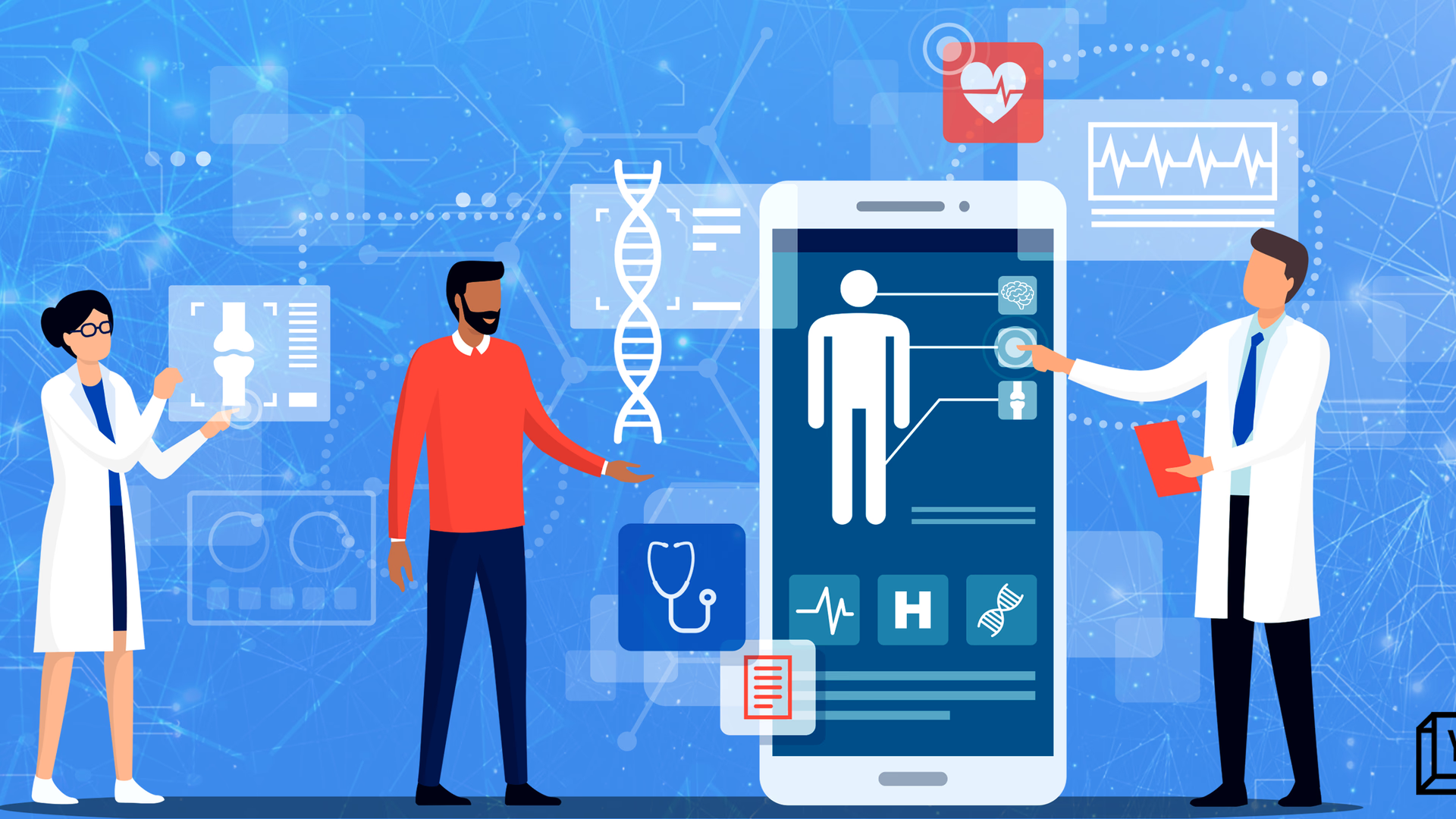
The pharmaceutical industry is undergoing a significant transformation through the adoption of health tech solutions. Advanced technologies are reshaping drug development, clinical trials, patient engagement, and supply chain management. Companies that integrate health tech into their operations are achieving greater efficiency, improved outcomes, and competitive advantage in a highly dynamic market.
Health tech provides pharmaceutical companies with tools to analyze data, streamline operations, and deliver personalized care. From artificial intelligence in drug discovery to digital platforms for patient monitoring, the intersection of technology and pharmaceuticals is creating a new era of business innovation.
Understanding Health Tech in Pharmaceuticals
Health tech in the pharmaceutical industry refers to the use of technology to improve research, development, manufacturing, distribution, and patient engagement. Solutions include AI-driven drug discovery, electronic health records integration, wearable monitoring devices, telemedicine, and secure supply chain systems.
By leveraging these technologies, pharmaceutical companies can accelerate development timelines, enhance operational efficiency, ensure regulatory compliance, and improve patient outcomes. Health tech also enables real-time data collection, predictive analytics, and personalized interventions, making it a strategic business asset.
Key Applications of Health Tech in Pharmaceuticals
AI-Driven Drug Discovery
Artificial intelligence accelerates the drug discovery process by analyzing vast datasets, identifying potential drug candidates, and predicting outcomes. Pharmaceutical companies implementing AI reduce time and cost associated with research while increasing the likelihood of success.
AI-powered platforms can also optimize chemical compound selection, predict patient responses, and simulate clinical trial outcomes, making the drug development process more efficient and targeted.
Clinical Trials and Patient Recruitment
Health tech streamlines clinical trials by improving patient recruitment, monitoring, and engagement. Digital platforms enable remote participation, real-time data collection, and automated reporting, reducing delays and increasing trial accuracy.
Wearable devices and mobile applications monitor patient vitals and adherence to protocols, providing pharmaceutical companies with reliable and continuous data for analysis.
Supply Chain Management and Traceability
Blockchain and IoT-enabled health tech solutions enhance pharmaceutical supply chain transparency and security. Companies can track drug production, shipment, and storage in real-time, preventing counterfeiting, ensuring regulatory compliance, and maintaining product quality.
Secure digital records allow pharmaceutical firms to demonstrate compliance to regulators, enhance trust among healthcare providers, and optimize inventory management.
Personalized Medicine and Targeted Therapies
Health tech enables pharmaceutical companies to deliver personalized medicine by analyzing genetic data, patient history, and lifestyle information. This approach supports targeted therapies, improves treatment efficacy, and reduces adverse effects.
Pharmaceutical companies leveraging personalized health tech solutions gain a competitive edge while expanding market opportunities for precision medicine products.
Digital Patient Engagement
Pharmaceutical companies are increasingly adopting health tech platforms to engage patients directly. Mobile applications, telemedicine services, and wearable devices enable companies to monitor treatment adherence, provide educational resources, and gather feedback.
Enhanced patient engagement improves outcomes, strengthens brand loyalty, and provides valuable insights for future product development.
Business Benefits of Health Tech in Pharmaceuticals
Reduced Operational Costs
Health tech solutions reduce costs by optimizing research and development, minimizing clinical trial delays, and streamlining supply chain operations. AI-driven analytics and automation reduce manual workloads, improving overall efficiency.
Faster Time-to-Market
AI, predictive analytics, and digital trial platforms accelerate the drug development process, enabling pharmaceutical companies to bring products to market faster and respond to evolving healthcare needs.
Improved Regulatory Compliance
Digital health tech solutions ensure compliance with global regulations, including patient data protection, drug safety, and quality control standards. Blockchain and secure record-keeping systems provide transparent audit trails and reduce risk.
Enhanced Market Competitiveness
Companies adopting health tech differentiate themselves through innovation, improved patient outcomes, and operational excellence. Advanced technologies support strategic growth, partnerships, and market expansion.
Data-Driven Decision Making
Health tech provides actionable insights through real-time data analysis, predictive modeling, and patient behavior tracking. Pharmaceutical companies can make informed strategic decisions, optimize product development, and improve resource allocation.
Challenges in Health Tech Implementation
Regulatory Complexity
Pharmaceutical companies must navigate strict regulations governing patient data, drug safety, and clinical trials. Implementing health tech solutions requires adherence to these standards and careful planning to avoid compliance issues.
Technology Integration
Integrating new technologies with existing systems, including legacy infrastructure and enterprise platforms, poses challenges. Ensuring interoperability and seamless workflows is critical for success.
Data Security and Privacy
Handling sensitive patient and clinical data requires robust cybersecurity measures. Pharmaceutical companies must invest in secure systems to protect data integrity and maintain patient trust.
High Implementation Costs
Initial investment in health tech infrastructure, software, and training can be significant. Companies must assess long-term ROI and scalability before committing resources.
Investment Opportunities in Pharmaceutical Health Tech
The intersection of health tech and pharmaceuticals presents significant investment opportunities:
Startups in AI and Digital Platforms
Investing in startups offering AI-driven drug discovery, clinical trial platforms, or patient engagement solutions offers high growth potential. Early-stage companies with innovative technology can scale rapidly with strategic investment.
Strategic Acquisitions
Large pharmaceutical firms acquire health tech startups to expand capabilities, integrate new technologies, and enhance market competitiveness. Strategic acquisitions accelerate innovation and broaden service offerings.
Global Market Expansion
Health tech solutions in pharmaceuticals can be adapted for international markets, particularly in regions with growing healthcare needs and digital adoption. This expansion creates revenue diversification and global reach.
Collaborative Research Initiatives
Pharmaceutical companies can partner with health tech providers for clinical research, data analysis, and product development. Collaborative efforts enhance innovation, reduce costs, and improve patient outcomes.
Future Outlook
Health tech will continue to transform the pharmaceutical industry, driven by:
- Integration of AI and machine learning for faster, more accurate drug development.
- Expansion of telemedicine and remote patient monitoring to support treatment adherence.
- Use of wearable devices and IoT technology for real-time clinical data collection.
- Blockchain adoption for secure supply chain management and regulatory compliance.
- Growth of personalized medicine and targeted therapies based on patient-specific data.
Pharmaceutical companies embracing these trends will lead the market, enhance operational efficiency, and deliver improved healthcare solutions.
Conclusion
Health tech is revolutionizing the pharmaceutical industry by driving innovation, operational efficiency, and patient-centered care. AI, digital platforms, wearable devices, blockchain, and personalized medicine enable pharmaceutical companies to accelerate drug development, optimize supply chains, engage patients, and ensure regulatory compliance.
While challenges related to technology integration, data security, and regulatory complexity exist, the business benefits of health tech adoption are substantial. Companies that strategically invest in health tech solutions will gain competitive advantage, market leadership, and long-term growth in the evolving global healthcare landscape.
Health tech is no longer optional for pharmaceutical companies—it is a critical driver of business innovation, efficiency, and patient-focused solutions.