As AI compresses software timelines across the globe, one firm is building the model that incumbents structurally cannot follow.
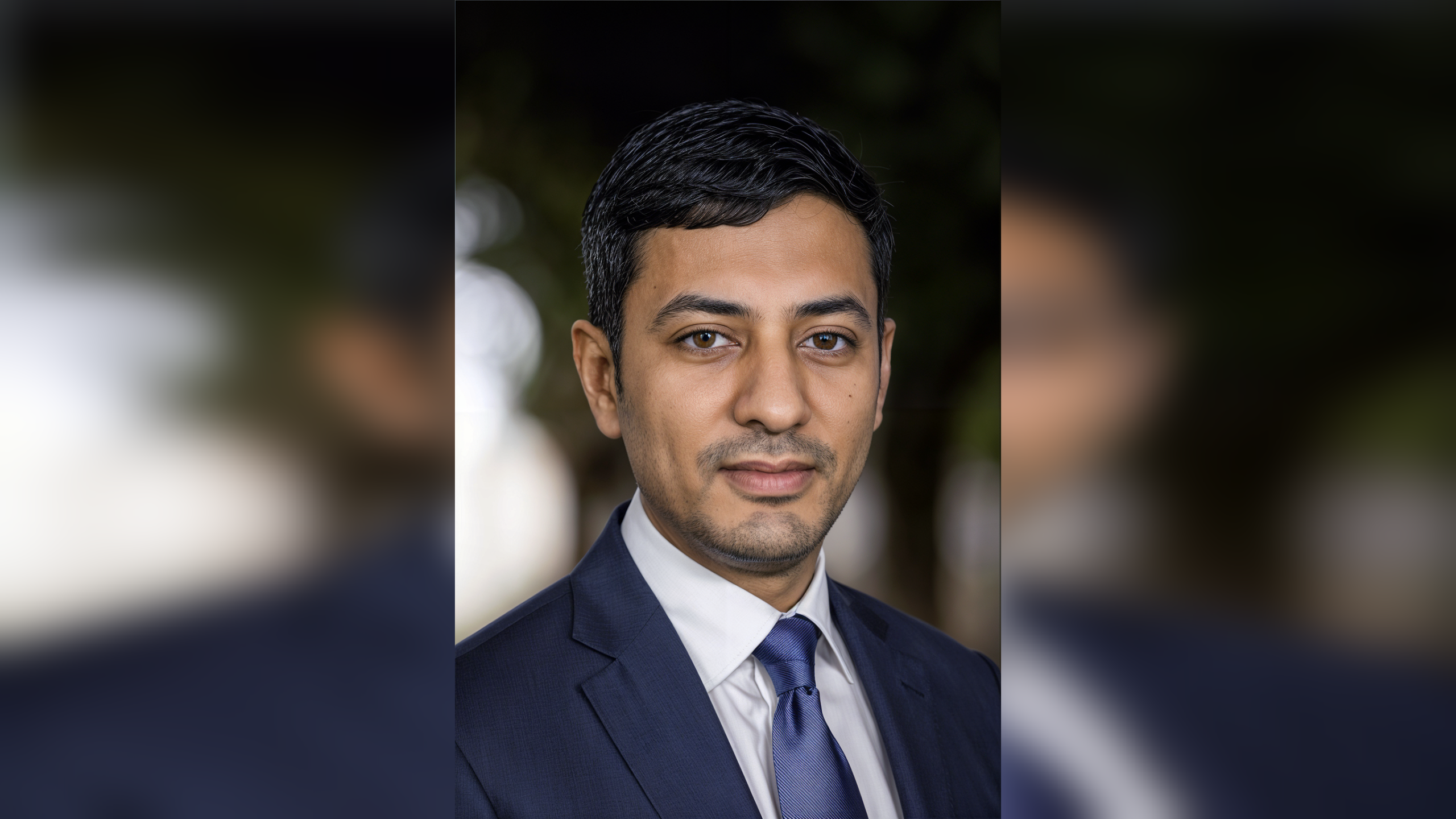
Pune is not where most people expect a quiet reinvention of software services to originate. The city has a long and respected history in Indian engineering, but the narrative around the next generation of tech usually points elsewhere. Ali Hafizji and Mohammad Ali Chherawalla, the two co-founders of Wednesday, are not concerned with the narrative. They are concerned with a structural problem they believe AI has made urgent.
The problem, as Hafizji describes it, is straightforward. The entire product engineering services industry charges for time. AI has made software delivery significantly faster. The firms that built the industry on hourly billing have not passed those efficiency gains to clients. They have protected their margins. The client, whether a Series A startup in Bengaluru or an enterprise in Jakarta, continues to pay as if nothing has changed.
Wednesday was founded in September 2020 with a different premise. Fixed-price sprints. Outcome-driven delivery. If Wednesday runs late, it absorbs the cost, not the client. The model sounds simple. In practice, it requires a company to bet its revenue on getting things done faster than estimated, which means every incentive in the business is pointed at efficiency, not at extending the engagement.
Building for a market that does not yet know it exists
The client base Wednesday has accumulated in five years includes companies that account for roughly 10 percent of India’s unicorns: Rapido, PharmEasy, PayU, Zalora, Ninjavan, and others. American Express and Kotak Securities appear on the enterprise side. The Clutch rating is 4.9 out of 5 across more than 50 startup engagements. Wednesday has also built systems that scale to a billion users per hour.
These numbers matter not because they establish Wednesday as a large firm, it is not, but because they establish that the model works across contexts. The sprint-based, outcome-aligned approach is not a startup experiment. It is a tested methodology that has produced results for clients in India, Southeast Asia, and the United States, Wednesday’s two primary markets.
Hafizji’s argument about why this matters globally is rooted in the AI moment. Across Asia, software delivery timelines are being compressed by the same forces. A product that once required four months of engineering can often be built in six weeks. For startups, that acceleration creates opportunity. For their service partners, it creates a dilemma. The firms billing for time either pass the efficiency gains to clients or pocket them. The ones who pocket them are taking a short-term revenue decision with long-term consequences for client trust.
The model incumbents cannot replicate
The structural argument Wednesday makes is that the largest product engineering firms in India cannot adopt outcome-based pricing without destroying the revenue engine that sustains them. Companies built around 20,000-plus billable engineers cannot reorient their business toward fixed-price sprints without contracting their revenue base. The transition is not a product decision. It is a fundamental business model change that the market structure of large IT services firms makes nearly impossible to execute.
This creates what Hafizji describes as a ten-year window. Not because Wednesday will go unchallenged, but because the specific challengers most equipped to respond are the ones most structurally constrained from doing so. The competition for Wednesday comes from boutique studios like Thoughtbot, Viget, and Metalab, firms that are closer in model but smaller in reach. The larger incumbents are, for now, watching from a position they cannot easily leave.
The broader implication for Asia’s startup ecosystem is that the agency relationship itself is changing. A startup in the pre-PMF stage does not need more engineering hours. It needs more validated learning per dollar spent. A firm whose revenue depends on hours has a fundamental problem helping a client minimize hours. A firm whose revenue depends on outcomes has every reason to help a client learn faster and build less.
Now expanding into the US
Wednesday is now moving from its India base into the US market, where Series A founders face similar dynamics: capital raised, MVP shipped, PMF elusive, runway shortening. The High Velocity Startup Playbook, a free email course Hafizji runs at wednesday.is, has become a distribution mechanism for this positioning, reaching founders directly with the methodology before a sale is ever proposed.
Ali Hafizji is a two-time founder with two exits and two co-authored books on iOS development. He is not building Wednesday as a lifestyle business. He is building it as a demonstration that outcome-aligned product engineering is the model that comes after the pioneer generation, and that the pioneers, by virtue of what they built, cannot easily follow. Whether that thesis holds over a decade will depend on execution, on talent, on client relationships, and on whether the market responds to proof or continues to reward pedigree. The early evidence, at least, is accumulating in Pune.