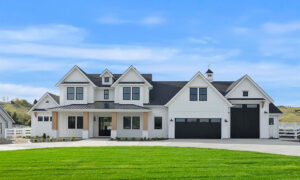
A home should evolve alongside the people who live in it. What once felt functional, spacious, and well-designed can gradually become inefficient as family needs, work routines, and lifestyle expectations change. Many older homes were built for a different era, one where compartmentalized floor plans, formal dining rooms, limited storage, and minimal technology integration were considered standard.
Today, homeowners expect far more from their living spaces. A modern home must support flexibility, comfort, productivity, and long-term efficiency. It should accommodate remote work, encourage family connection, maximize natural light, and provide the kind of functionality that improves daily life.
This is where a comprehensive renovation becomes more than a cosmetic upgrade. A well-executed full home remodeling project transforms an outdated property into a high-performing, future-ready home. From layout optimization and open-concept design to sustainable upgrades and improved resale value, a full house renovation is both a lifestyle enhancement and a strategic financial investment.
Why Older Homes Often Fall Short of Modern Living Standards
Many homes built decades ago were designed around outdated lifestyle patterns that no longer reflect how people live today. Kitchens were often enclosed and separated from living areas. Storage was limited. Natural light was not prioritized. Electrical systems were not built to support modern technology demands.
These design limitations can cause ongoing inconvenience and reduce a home’s overall comfort and functionality.
Common challenges found in older properties include:
- Closed and restrictive floor plans
- Insufficient storage and poor space utilization
- Outdated plumbing and electrical infrastructure
- Inefficient insulation and rising energy costs
- Limited natural light and poor ventilation
- Lack of dedicated workspaces or multifunctional rooms
Rather than relocating, many homeowners choose to renovate. This allows them to preserve the location, neighborhood, and structural character they value while upgrading the home to support present and future needs better.
Layout Optimization: Designing a Home Around Modern Functionality
One of the most impactful components of a full-house renovation is layout optimization. Traditional floor plans often include formal or underutilized spaces that no longer serve practical purposes in modern households.
Narrow hallways, isolated kitchens, and separate formal rooms can make a home feel smaller and less functional than it truly is. Renovation provides the opportunity to redesign the flow of the home based on how people actually live.
Strategic layout improvements can enhance:
- Daily functionality and convenience
- Movement and circulation throughout the home
- Natural light distribution
- Family interaction and visibility
- Entertaining and social gatherings
- Overall comfort and usability
Removing unnecessary walls and rethinking room placement creates a stronger connection between spaces while maximizing the efficiency of every square foot.
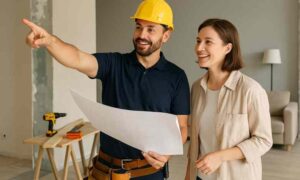
For homeowners considering a major transformation, working with experienced professionals such as Green Bay Remodeling ensures that design decisions align with both structural integrity and long-term lifestyle goals.
Open-Concept Living and the Shift Toward Connected Spaces
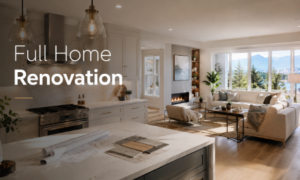
Open-concept living remains one of the most sought-after outcomes in modern renovation projects because it directly reflects the way people live today. Families want spaces that feel connected, adaptable, and welcoming rather than divided by unnecessary walls and isolated rooms.
The kitchen has become the central hub of the home, a place for cooking, conversation, entertaining, and everyday interaction. Living rooms and dining areas are increasingly designed to flow seamlessly together, creating multifunctional spaces that feel larger and more practical.
Benefits of open-concept renovation include:
- Improved family interaction and communication
- Greater flexibility for entertaining and hosting
- Enhanced natural light throughout shared spaces
- Stronger visual openness and spaciousness
- Increased market appeal and resale value
This design approach improves both aesthetics and everyday functionality. It creates a home environment that supports modern living rather than restricting it.
Home Office Integration as a Permanent Priority
The rise of remote work and hybrid employment models has permanently changed residential design priorities. Dedicated home office space is no longer considered optional; it has become a necessity for many households.
Temporary workstations in kitchens or bedrooms often create distractions and reduce productivity. A thoughtfully integrated office space provides privacy, organization, and professional functionality.
Effective home office renovation may include:
- Private or semi-private office rooms
- Built-in desks and custom storage solutions
- Improved acoustic control for focused work
- Enhanced lighting and ergonomic planning
- Additional power outlets and technology support
- Flexible dual-purpose guest and office spaces
Incorporating a home office during renovation improves both immediate lifestyle quality and long-term buyer appeal, especially as flexible work arrangements continue to shape housing preferences.
Sustainable Materials and Energy-Efficient Upgrades
Modern renovation is not only about design, but it is also equally about performance. Homeowners are increasingly focused on sustainability, energy efficiency, and long-term operational savings.
A full house renovation creates the ideal opportunity to replace outdated systems and introduce smarter, more durable solutions that improve both environmental responsibility and financial efficiency.
Common sustainability-focused upgrades include:
- Energy-efficient windows and insulated doors
- Improved wall, roof, and attic insulation
- Smart thermostats and home automation systems
- LED lighting and upgraded electrical systems
- Water-saving plumbing fixtures
- Sustainable flooring, cabinetry, and finish materials
- High-efficiency HVAC systems
These improvements reduce utility costs, improve year-round comfort, and strengthen long-term property value. Sustainable design also appeals strongly to future buyers who prioritize energy-conscious living and reduced maintenance demands.
Full House Renovation as a Long-Term Financial Strategy
Many homeowners initially view renovation as a major expense, but when approached strategically, it becomes one of the most valuable long-term investments they can make.
Rather than managing repeated repairs and short-term upgrades, a complete renovation addresses structural, functional, and aesthetic issues holistically. This reduces future maintenance costs while significantly improving overall property performance.
A well-planned renovation can increase:
- Market value and resale potential
- Buyer demand and competitive positioning
- Structural reliability and home longevity
- Energy savings and operating efficiency
- Everyday convenience and lifestyle satisfaction
For homeowners who value their current location, schools, and community, renovation often offers a stronger return than purchasing a new property. It preserves both emotional investment and financial equity while delivering the benefits of a modernized home.
Preserving Architectural Character While Modernizing Performance
One of the greatest advantages of renovating an older home is the ability to retain its original character while upgrading functionality. Established homes often feature craftsmanship, architectural detail, and neighborhood charm that are difficult to replicate in new construction.
Mature landscaping, unique design elements, and solid structural foundations provide lasting value that renovation can enhance rather than replace.
The objective is not simply to make an old home look new. It is to preserve what makes the property distinctive while ensuring it performs according to modern expectations.
This balance creates homes that feel both timeless and contemporary, spaces that offer personality, comfort, and practical performance for years to come.
Conclusion
A home should support the realities of modern life, not create daily limitations through outdated design and inefficient systems. When closed-off layouts, aging infrastructure, and underperforming spaces begin to affect comfort and functionality, renovation becomes a strategic solution.
A full house renovation is far more than an aesthetic improvement. It is an investment in how a home functions, how it feels, and how it performs over time.
From open-concept layouts and integrated home offices to sustainable upgrades and stronger resale value, comprehensive renovation transforms older properties into highly functional, future-ready living environments.
The most effective homes are not always newly built; they are thoughtfully redesigned to meet the demands of today while preserving the value of what already exists.
From outdated to outstanding, that transformation begins with vision, planning, and the decision to build better from within.