
c in 2026: What Buyers Actually Want vs. What Sellers Think They Want

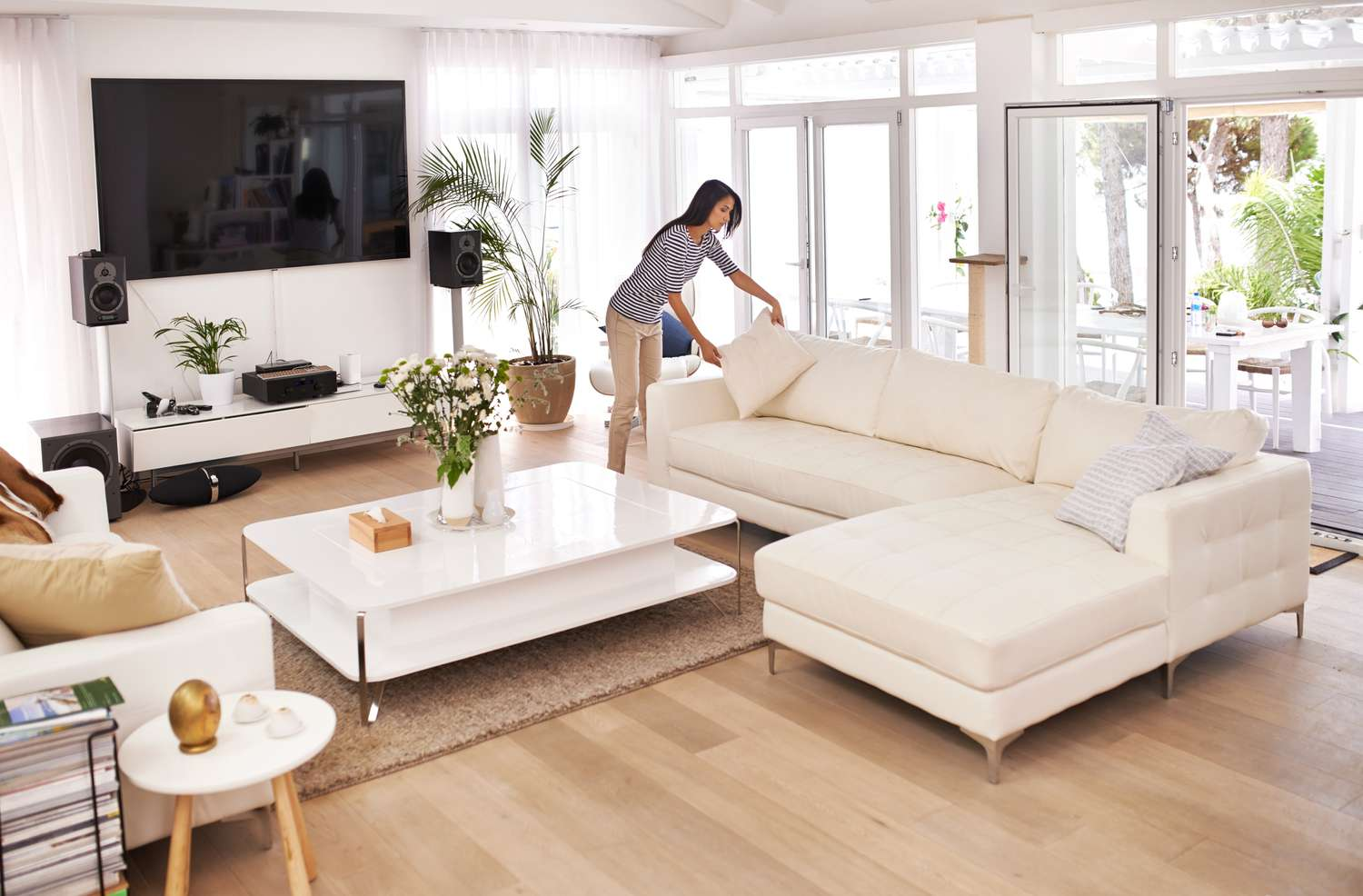
There is a persistent mismatch in how sellers approach home staging and what buyers actually respond to. Sellers tend to default to what they believe looks impressive, which usually means extreme minimalism, stark white walls, floating furniture, and a carefully curated emptiness that reads as clean in theory but cold in practice. Buyers, scrolling through hundreds of listings before booking a single showing, have a different response to that presentation than sellers expect. They scroll past it, and they move on to the home that made them feel something.
In 2026, that emotional response has moved from a soft preference to a measurable market signal. Homes staged with current, on-trend design outperform generic minimalism by 15% to 23% in final sale price. Professionally staged homes spend an average of just nine days on the market, according to RESA. 81% of buyers say it is easier for buyers to visualize themselves living in a professionally staged home. Those figures do not describe staging as a nice-to-have marketing enhancement. They describe it as a transaction variable that determines how fast a home sells and how much it sells for.
Why Generic Minimalism Is Losing Buyers
The cold, bare, all-white staging approach that dominated real estate photography for most of the past decade is producing diminishing returns in 2026 because the buyer pool has changed what it finds appealing. Buyers today are spending significant time browsing listings online before they commit to a showing, and they have developed a refined ability to distinguish between spaces that feel aspirational and spaces that feel sterile. The former generates showing requests. The latter generates scrolling.
The psychological mechanism behind this is specific. When buyers see an entirely empty or over-minimized space, they are asked to do a cognitive exercise: imagine their life in a blank room. That exercise is harder than most sellers assume, and it consistently produces less emotional engagement than seeing a space that already demonstrates how it functions, feels warm, and looks livable. Staging that answers the question “could I live here” with a visual yes produces more offer activity than staging that asks buyers to supply the answer themselves.
“One of the biggest mistakes I see is homeowners waiting until after they’ve listed the property to start packing. The homes that photograph and show the best are usually the ones where sellers begin the moving process early by removing excess furniture, personal collections, and storage items before the photographer ever arrives. From a mover’s perspective, pre-packing isn’t just about making moving day easier—it’s one of the most cost-effective staging strategies because it creates cleaner sightlines, larger-looking rooms, and helps buyers focus on the home itself rather than the seller’s belongings.” — Mladen Dejanovic, Owner of Affordable City Movers
What Buyers Are Actually Responding To in 2026
The most requested home staging styles in 2026, based on professional stager surveys and platform data, are contemporary, soft modern, modern coastal, and modern organic. What those categories share is more revealing than their individual labels: they all prioritize warmth, realism, and functional livability over decorative impact for its own sake.
The strongest design trend shaping buyer preference in 2026 is a preference for soft, neutral interiors in warm whites, beige, greige, and natural wood. These palettes create a calm and versatile foundation that makes rooms feel more spacious and welcoming while reducing the visual noise that makes buyers feel overwhelmed rather than attracted. High-contrast schemes and trend-heavy accent choices consistently underperform neutral palettes in buyer response data because they narrow the appeal to buyers who share the seller’s specific taste rather than communicating broadly across the buyer pool.
Matte finishes have overtaken high-gloss surfaces as the dominant material preference in 2026. Matte reads as softer, more organic, and more premium than high-gloss, which now communicates a dated design sensibility to buyers who have been conditioned by years of renovation content. Limewash and Roman clay wall finishes are appearing consistently in high-performing listings because they add texture and visual warmth without personalizing the space in ways that limit buyer imagination.
Biophilic design elements, specifically the introduction of natural materials, plants, organic textures, and wood grain, are generating strong buyer responses because they connect to a broader preference for spaces that feel grounded and livable rather than designed primarily for photography. Buyers who have spent years working from home have a more developed sense of how spaces feel to occupy over time, and they are applying that sense when they evaluate listings. A room that photographs beautifully but would feel cold and uncomfortable to sit in reads differently to a 2026 buyer than it did to a 2019 buyer.
The Rooms That Drive the Most Return on Staging Investment
Not all rooms contribute equally to the outcome of a staged home, and understanding where staging investment produces the highest return helps sellers allocate their budget precisely. Based on buyer priority scoring, the kitchen scores 9.5 out of 10, the living room 9.2, and the master bedroom 8.8 for combined buyer impact. Sellers who stage only the rooms that photograph well for listing images without considering how those spaces feel during an in-person showing are optimizing for the click rather than the offer.
Staging the living room was found to be very important for buyers in 46% of cases, followed by the primary bedroom at 43% and the kitchen at 35%. Those three rooms together represent the spaces where buyers spend the most time during a showing and where their emotional assessment of the home is most actively forming. A kitchen that photographs well but feels dated, cramped, or impersonal during an in-person visit creates a disconnect between what brought the buyer to the showing and what they experience when they arrive.
The home office has moved from a secondary staging consideration to a primary one. 48% of Generation Z and 40% of millennial buyers consider staging extremely or very important, and those generational cohorts have strong expectations around functional workspace because remote and hybrid work arrangements have made a usable, well-designed home office a purchase-influencing feature rather than a bonus. A staging approach that ignores the home office in a market where buyers are predominantly remote-capable workers is leaving a meaningful influence point unaddressed.
The Photography Gap That Costs Sellers Offers
The single most consequential shift in how buyers find and evaluate homes has made staging more operationally important than it has ever been. 97% of buyers begin their home search online, and the decision about whether to book a showing is made based on listing photography in under 90 seconds. Staged homes attract 74% more interest from serious buyers while reducing non-serious inquiries by 45%. Virtually staged listings command 40% more online views.
Those figures reframe staging from a pre-showing preparation step into a photography preparation step. The staging has to work in photographs because that is where the first showing happens, and most buyers never progress beyond that digital first impression if the photography does not make a compelling visual case. A home that shows beautifully in person but is photographed without intentional staging will generate fewer showings than its quality warrants. A home that is staged specifically with photography in mind, where every room composition is designed to read clearly, warmly, and spaciously through a camera lens, converts online interest into showing requests at a significantly higher rate.
Sellers who invest 1.3% of their listing price in professional staging see an average 7.1% over-list return according to NAR data. That return compounds through faster close timelines. Staged homes sell in an average of 23 days versus 47 days for non-staged properties, a 51% reduction in time on market. Sellers who did not stage their homes faced price reductions five to 20 times greater than the cost of staging would have been.
The gap between what sellers think buyers want from a staged home and what buyers actually respond to is not a style disagreement. It is a business problem with a measurable cost. The sellers closing above asking in 2026 are the ones who staged for the buyer’s emotional response, not for their own sense of what looks impressive.






Comment