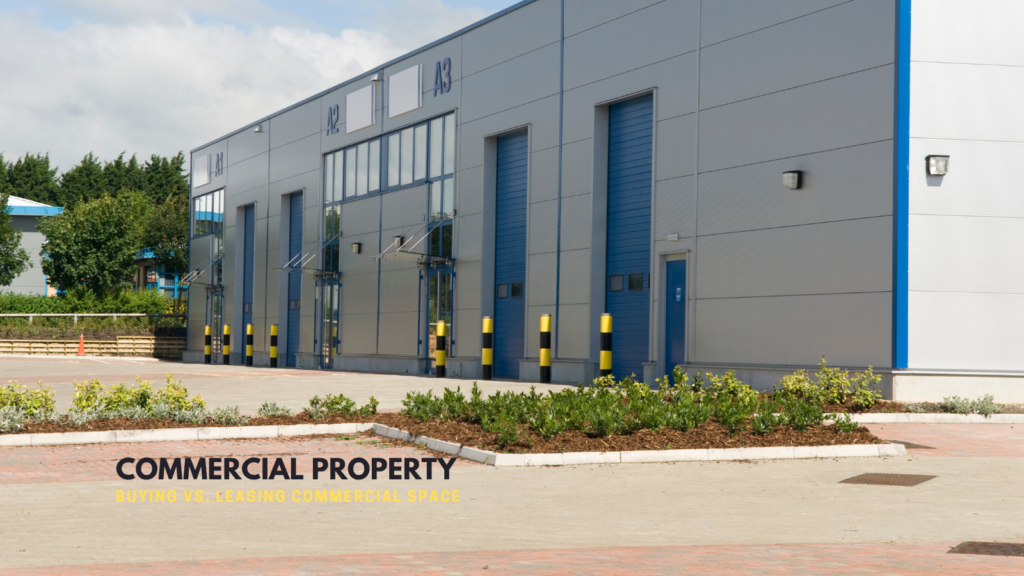
The right premises can make a company easier to run. The wrong ones can trap cash, limit hiring, frustrate customers, or force another move just as the business gains momentum. That is why the buy-or-lease question should begin with operations, not with the assumption that ownership is always wiser.
Buying and leasing solve different problems. Ownership may suit an established company staying in one place. Leasing may suit a business that values mobility or needs capital for staff, equipment, inventory, and marketing. The better choice must work even in a slower year.
Understanding the Difference Between Buying and Leasing
Buying places the business—or a related entity—in control of a real estate asset, usually with substantial cash and financing. The owner assumes the property’s obligations. Leasing provides a contractual right to occupy space for a defined term and agreed conditions.
Neither arrangement has one cost structure. Leases pass different expenses to tenants, while loans vary in rate provisions, amortization, balloon payments, covenants, and guarantees. Actual documents matter more than labels.
Upfront Costs and Long-Term Expenses
Purchase analysis starts beyond the down payment. Buyers may face appraisal, environmental, inspection, legal, title, lender, closing, and renovation costs. Later come debt service, taxes, insurance, utilities, maintenance, compliance, and capital replacements. Invested cash is also unavailable elsewhere in the business.
Leasing often requires less capital initially, although deposits, advance rent, legal review, permits, and improvements can be substantial. Rent and passed-through expenses may rise, while renewal terms may change. A low starting rent does not establish the ten-year cost.
For a fair comparison, model the same operating period and include the following items:
- Record every initial cash requirement, including improvements and moving expenses.
- Forecast occupancy costs under the lease or loan terms instead of holding them artificially flat.
- Include maintenance, insurance, taxes, common-area charges, professional fees, and major replacements where applicable.
- Test the effect of a delayed opening, lower revenue, higher rates, or an earlier-than-planned exit.
The model should also show the cash left for the core business. A property can be affordable to finance but still consume the liquidity needed to operate safely. Tax consequences differ between ownership structures and leases, so a qualified tax professional should review them rather than treating a possible deduction as guaranteed savings.
Flexibility and Business Growth
A young company rarely knows its space needs five years ahead. Staffing, customer traffic, and technology can change. A lease with suitable expansion, assignment, or sublease provisions may provide options, subject to its wording and required consent.
Ownership offers different flexibility. The company may reconfigure or occupy more of the property, subject to zoning, permits, loan terms, insurance, and association rules. Yet selling or refinancing is slower than a scheduled lease expiration, especially for a specialized building.
Advantages of Owning Commercial Property
Ownership can support a long-term location strategy. Payments may contribute to equity rather than solely purchasing occupancy, but equity growth is not assured: values can fall, transaction costs are real, and loan balances decline only under their terms.
It can also reduce exposure to a landlord’s decision not to renew. Stability matters when an address, equipment, licenses, customer habits, or specialized build-out make relocation costly. The business still needs adequate reserves after closing.
Building Business and Property Value
A well-chosen property can become an asset alongside the operating company. Useful improvements may support operations and marketability, but a specialized fit-out does not automatically add equal resale value.
Before purchasing, investigate comparable sales, zoning, permitted use, physical condition, environmental issues, title matters, insurance, taxes, and future capital work. A lender’s appraisal serves the lending process; it does not replace due diligence by the buyer. Businesses exploring financing with a commercial mortgage brokers in California should compare loan structures, cash requirements, repayment terms, recourse, fees, and exit conditions—not only the advertised rate.
Greater Control Over the Space
An owner can often change layouts, install equipment, improve signage, or adjust access without a landlord’s approval. Control is still limited by codes, accessibility rules, zoning, permits, lender restrictions, and the property itself.
Before valuing “control,” identify the changes the business actually expects to make:
- Confirm that the intended business use is permitted at the address.
- Obtain preliminary estimates for structural, mechanical, electrical, and accessibility work.
- Check whether equipment loads, ventilation, parking, deliveries, signage, and operating hours are feasible.
- Establish who will manage repairs, contractors, compliance, security, and emergency work.
Real control includes responsibility. When the roof leaks or a major system fails, the owner cannot simply send the problem to a landlord unless a separate agreement assigns that duty elsewhere.
When Leasing May Make More Sense
Leasing may suit a company still proving a market, expecting changing space needs, or seeking a location too expensive to buy. It can preserve cash for the operating business. The SBA notes that leasing generally needs less cash or credit upfront but may cost more over its lifetime.
The lease itself determines whether that flexibility is real. Review the term, renewal options, rent increases, operating-expense definitions, audit rights, maintenance duties, permitted use, insurance, guarantees, assignment, subleasing, default remedies, restoration obligations, and exit provisions. For customer-facing businesses, exclusivity, signage, parking, access, and co-tenancy language may be commercially important.
For tenant improvements, determine who pays, who owns the work, when rent begins, what happens after permit delays, and what must be removed. An allowance may still leave a funding gap or be reimbursed only after contractors are paid.
Choosing the Right Option for Your Business
Start with a written occupancy plan covering the expected holding period, space needs, location requirements, maximum cash commitment, and plausible changes in revenue or staffing. Then compare specific properties and actual documents. Generic “rent versus buy” calculators are useful only when their assumptions match the transaction.
Bring the right specialists in before the decision becomes emotionally fixed. Depending on the deal, that team may include a commercial real estate attorney, accountant, lender or broker, insurance adviser, inspector, contractor, environmental consultant, and local land-use professional. Each answers a different question; none should be treated as a substitute for all the others.
Finally, examine the exit. A buyer should understand how the loan can be prepaid, refinanced, or assumed, and how readily the building could be sold or leased to another occupant. A tenant should understand renewal risk and the cost of moving when the term ends. The sound choice is not defined by ownership status. It is the arrangement that keeps the business operational, adaptable, and adequately funded while giving it a credible path through the next stage of growth.