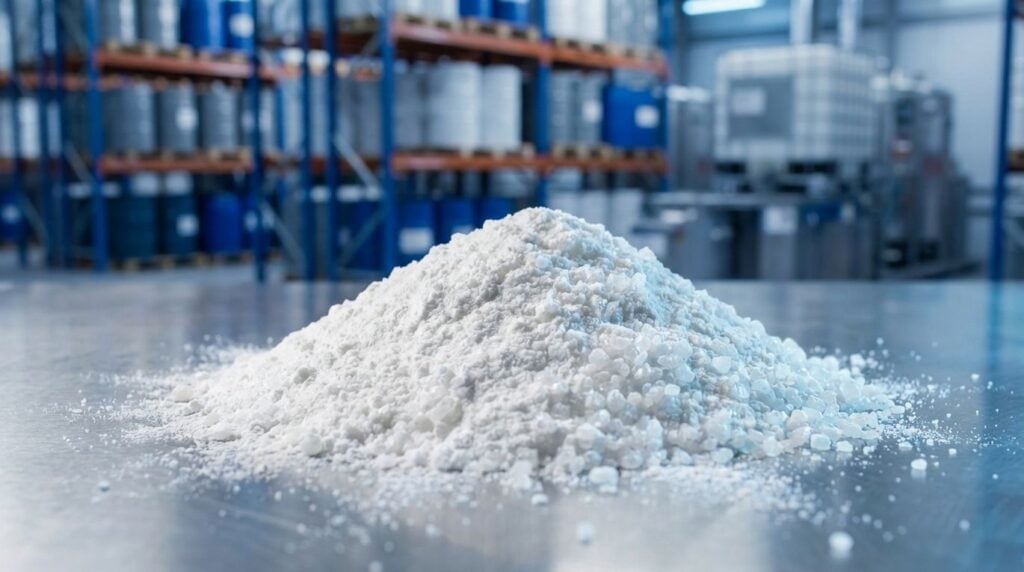
Ceramic manufacturing requires more than selecting the right mineral powders. Before firing, a shaped component must hold together through handling and other production stages. A temporary binder helps provide this strength while allowing manufacturers to prepare and shape their ceramic mixtures. Kuraray Poval offers polyvinyl alcohol grades for this purpose. For businesses evaluating polyvinyl alcohol powder, understanding binder performance is an important step toward choosing a material suited to their process.
Polyvinyl alcohol, also known as PVOH or PVA, is valued for its film forming and adhesive properties. In ceramic formulations, suitable grades help bind particles within an unfired body. This temporary role is different from the ceramic material’s final function after firing. The binder supports processing, while the manufacturing cycle must ultimately remove the organic material and develop the required properties of the finished ceramic component.
One important term is green strength, which describes the strength of a ceramic body before firing. Adequate green strength helps components retain their shape during transfer between processing stages. Kuraray identifies this property as a key benefit of its ceramic binder grades. However, the result depends on the formulation and forming conditions, so manufacturers should verify performance using representative parts rather than assuming that every binder delivers identical results.
Using a water soluble binder for ceramics also makes solution preparation an important part of development. Manufacturers should follow the instructions for the selected grade when preparing an aqueous binder solution. Water solubility does not mean that every product dissolves under the same conditions. Mixing, temperature, concentration, and preparation time should be controlled according to product guidance, with consistent procedures used when comparing candidate formulations.
The ceramic slurry, or slip, must also have suitable flow behavior. Kuraray’s application information highlights the need to combine high green strength with appropriately low viscosity in aqueous ceramic slips. In one described process, ceramic powder is spray dried before cold pressing. Binder selection therefore needs to account for several connected stages, including slurry preparation, granulation, forming, and handling, rather than focusing on a single laboratory measurement.
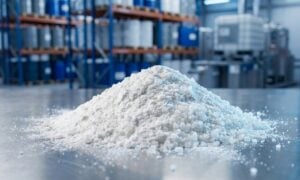
Choosing polyvinyl alcohol powder involves looking beyond the general polymer name. Relevant specifications include solution viscosity, degree of hydrolysis, and ash content. Kuraray Poval includes different grades and low ash options for ceramic applications. Manufacturers should compare technical data under equivalent measurement conditions and discuss the demands of their ceramic composition with the supplier. A suitable product for one forming method may need further evaluation before use in another.
Binder removal is another essential consideration. Kuraray describes a smooth burnout profile among the benefits of its ceramic binder products. Nevertheless, manufacturers should validate binder removal within their own thermal process. Claims about clean removal should be assessed against the selected grade and actual firing conditions. Reviewing residual ash requirements alongside processing performance helps teams avoid treating green strength as the only measure of binder suitability.
The amount of binder also requires careful evaluation. Kuraray’s ceramics guidance gives a broad usage range, reflecting differences in ceramic compositions and processing technologies. This should not be interpreted as a universal recipe. Development teams can compare practical addition levels while monitoring slurry behavior, formed part strength, and firing results. The objective is to establish an appropriate balance for the application rather than simply maximizing binder content.
A structured trial makes selecting a water soluble binder for ceramics more reliable. Teams should define acceptance criteria, document preparation conditions, and compare results across repeat trials. Useful observations can include handling damage, dimensional consistency, slurry viscosity, and the condition of fired parts. Recording these findings helps manufacturers discuss adjustments with technical specialists and provides a clearer basis for moving from laboratory evaluation to production trials.
Kuraray Poval provides ceramic application literature, product information, and channels for technical enquiries and sample requests. These resources can help manufacturers identify potential grades, but final selection should rest on documented requirements and relevant testing. By evaluating polyvinyl alcohol powder across preparation, forming, handling, and firing, businesses can make informed binder decisions that support consistent ceramic manufacturing. Reviewing the current technical data sheet and safety data sheet also helps purchasing, production, and quality teams work from shared specifications when introducing a selected grade into routine operations.