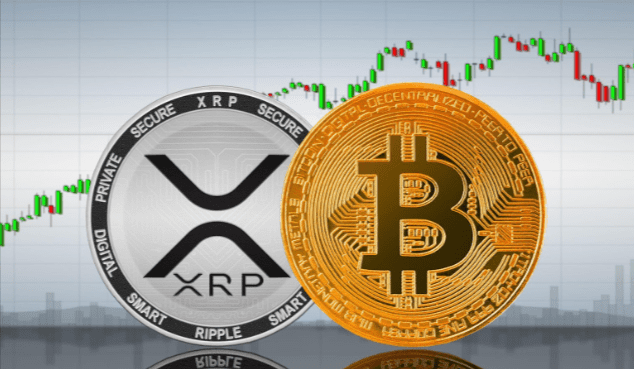
Two leading digital assets, Bitcoin and XRP, take very different approaches to blockchain. Bitcoin is seen as a decentralized store of value, while XRP aims to streamline cross-border payments. For investors and fintech professionals, comparing them is about understanding each technology’s role in digital finance. Differences in network design, adoption, and regulation shape how these assets fit within modern financial systems.
Understanding the Core Purpose of Bitcoin and XRP
Few cryptocurrencies illustrate contrasting design philosophies as clearly as these two networks. Bitcoin emerged in 2009 as a decentralized digital currency intended to function without central authorities or financial intermediaries. Its blockchain records transactions across a distributed network of miners, creating a system designed to resist censorship while maintaining transparency.
Over time, the asset’s role has evolved beyond payments. Many investors now view it as a long-term store of value, often comparing it to digital gold because of its limited supply and strong network security.
XRP was built with a different goal in mind. Rather than replacing the banking system, the token was designed to improve how money moves through it. The digital asset supports Ripple’s broader vision of faster and more efficient international transfers, particularly in areas where traditional banking infrastructure can be slow or expensive.
Technology Architecture and Network Design
Bitcoin and XRP were built with very different technical philosophies, and those design choices continue to influence how each network operates today. The first relies on a proof-of-work consensus mechanism, where miners validate transactions through computational effort. Although this approach requires substantial energy and computing resources, it has helped establish the network as one of the most secure decentralized systems in existence.
The second uses a different system known as the XRP Ledger consensus protocol. Instead of mining, transactions are confirmed by a network of validators that agree on the legitimacy and order of transactions. This architecture enables faster settlement and lower operational costs while maintaining reliability.
Transaction Speed and Cost Differences
Performance differences between blockchain networks often reflect the role they were designed to play in the financial system. The payment-focused network was created specifically for efficiency, which is why transactions typically settle within seconds while fees remain extremely low.
Bitcoin transactions usually take longer to confirm, often several minutes, depending on network congestion. Fees can also fluctuate as demand for block space rises. While this may limit its usefulness for everyday microtransactions, the design prioritizes decentralization and security, supporting its position as a long-term value network.
Decentralization and Governance
Governance models also shape how blockchain ecosystems evolve. Bitcoin’s development process is largely community-driven, with proposals debated among developers, miners, and node operators before changes are implemented. This approach can slow innovation, but it reinforces the network’s independence from centralized control.
The governance structure behind XRP differs because Ripple Labs plays an important role in promoting the technology and expanding partnerships with financial institutions. Although the XRP Ledger itself operates independently, Ripple’s involvement has led some observers to view the ecosystem as more closely aligned with enterprise blockchain infrastructure.
Use Cases in the Digital Economy
As the digital asset ecosystem matures, different cryptocurrencies are beginning to specialize in distinct roles. Bitcoin’s primary use case today is as a store of value and macro-oriented digital asset. Institutional investors, asset managers, and corporations have increasingly treated it as a strategic allocation within diversified portfolios.
XRP, by comparison, focuses on improving financial infrastructure. Ripple’s payment solutions aim to help banks and remittance providers settle international transfers more quickly while reducing reliance on pre-funded accounts in multiple currencies.
Market Adoption and Institutional Interest
Market adoption often determines whether a cryptocurrency evolves into core financial infrastructure or remains primarily a speculative asset. While Bitcoin dominates the market in brand recognition and institutional demand, the payment-focused token’s adoption has largely centered on partnerships within the financial services industry.
Asset managers, hedge funds, and publicly listed companies have incorporated Bitcoin into treasury strategies or investment portfolios, reinforcing its role as the benchmark digital asset. For many investors entering the market, it is often the first asset they encounter on a crypto trading platform, where it frequently serves as a reference point for evaluating other digital assets.
Growth of XRP, on the other hand, has been closely linked to Ripple’s partnerships with banks, payment providers, and fintech companies exploring faster settlement systems.
Regulatory Developments and Legal Context
Regulatory clarity remains one of the most influential factors shaping the long-term trajectory of digital assets. Bitcoin generally faces fewer classification disputes because regulators often treat it as a decentralized commodity rather than a security.
XRP has experienced more extensive regulatory scrutiny, particularly in the United States, where Ripple Labs has faced legal challenges over whether the token should be classified as a security. These developments have influenced exchange listings, investor sentiment, and the perceived risk surrounding the asset.
Volatility and Risk Considerations
Volatility remains a defining characteristic of the cryptocurrency market, and both assets are no exception. Despite its maturity compared with most digital assets, Bitcoin still experiences significant price swings during periods of market uncertainty. Price movements in XRP can be influenced by additional factors such as regulatory developments or progress in Ripple’s financial partnerships. As a result, its risk profile may shift depending on both legal clarity and adoption within global payment networks.
Strategic Perspectives for Crypto Investors
From an investment perspective, these two cryptocurrencies represent very different narratives within the blockchain sector. Bitcoin reflects the idea of decentralized monetary infrastructure and long-term value preservation. XRP represents an attempt to modernize existing financial systems through faster settlement technology.
In practice, many market participants evaluate these assets through different strategic lenses rather than treating them as direct competitors. Some investors seek exposure to the store-of-value narrative, while others see potential in payment-focused blockchain infrastructure.
Final Thoughts
Bitcoin and XRP occupy distinct positions within the digital asset ecosystem. The first continues to dominate as a decentralized store of value with growing institutional recognition, while the second focuses on solving payment inefficiencies through blockchain-based financial infrastructure. As digital assets mature, the distinction between cryptocurrencies designed for value storage and those focused on financial infrastructure may become even more pronounced. These two networks illustrate how blockchain innovation is evolving in multiple directions, from decentralized monetary systems to enterprise-grade payment networks that aim to reshape global finance.