A few years ago, finding the right soundtrack for a video meant either licensing expensive stock music, hiring a composer, or risking a copyright strike by using a popular song without permission. For independent creators, podcasters, and small business owners, none of those options were ideal. Music licensing fees can eat into already thin budgets, and the process of searching through stock libraries for “just the right vibe” can eat up hours that should be spent on actual content.
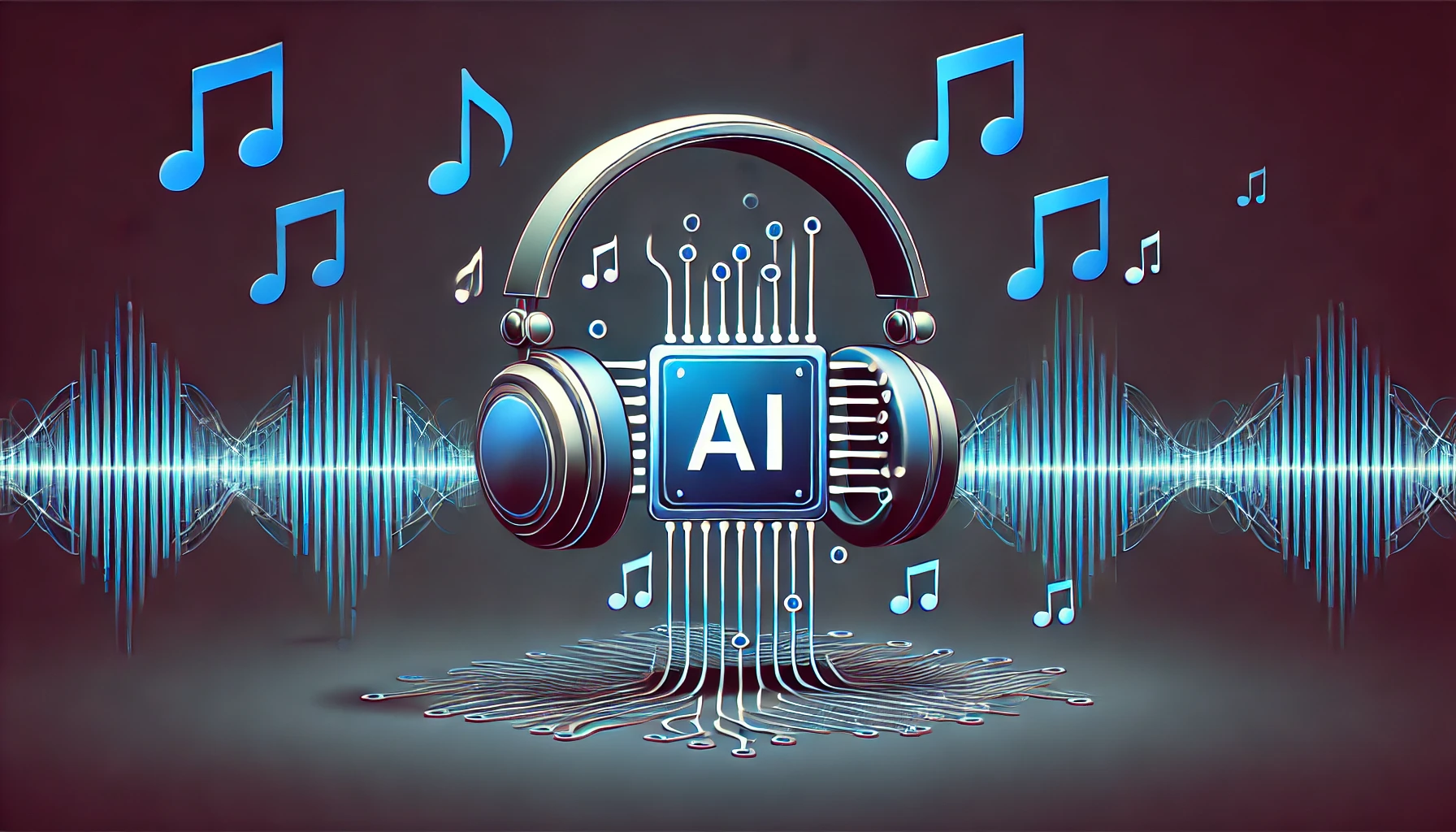
That landscape has shifted dramatically with the rise of AI-powered music tools. Today, anyone with an idea — a mood, a genre, a handful of lyrics — can generate a complete, royalty-free track in a matter of seconds. This shift isn’t just a novelty; it’s fundamentally changing how creators approach audio production.
From Idea to Finished Track in Minutes
The biggest advantage of modern AI music tools is speed. Traditionally, even a short jingle could take days to commission and produce. Now, platforms built around an AI Music Generator let you simply describe what you want — “upbeat summer pop with female vocals” or “moody lo-fi beat for a study video” — and the system interprets that description into a fully arranged composition, complete with instrumentation, structure, and vocals if needed.
This matters enormously for creators who publish frequently. A YouTuber uploading three videos a week doesn’t have time to wait on a composer’s schedule. A podcaster recording weekly episodes needs consistent intro and outro music without recurring licensing costs. With AI generation, the bottleneck of “finding music” essentially disappears, replaced by an iterative process where you can generate multiple variations, compare them, and pick the one that fits best.
It also opens the door to people with zero musical training. You don’t need to know what a chord progression is, or how to use a DAW, to produce something that sounds professionally mixed and mastered. The technology handles the music theory, arrangement, and mastering chain in the background, so creative direction is the only skill required.
Two workflows tend to cover most use cases here. The first is text to music, where you simply describe the vibe you’re after — genre, mood, tempo, instrumentation — and the system builds a complete arrangement from that description alone. The second is lyrics to music, for creators who already have written verses and just need them turned into a fully produced, sung track. Whether you’re starting from a vague feeling or a finished set of lyrics, both paths land in the same place: a complete, ready-to-use song.
Beyond Original Tracks: Reimagining Existing Audio
Generating brand-new music from scratch is only part of the picture. Many creators already have audio they like — a melody they hummed into their phone, a rough vocal take, or even a fully recorded song — but want to hear it in a completely different style. This is where tools like an ai song cover generator become genuinely useful.
Rather than starting from zero, you upload existing audio and the system reinterprets it across a different genre or sonic palette, while preserving the original melody. A folk demo can be turned into an electronic dance track. A simple acoustic guitar recording can come out the other side as a full orchestral arrangement. This kind of cross-genre transformation used to require serious studio time and a producer who understood both the source style and the target style. Now it’s a matter of uploading a file and selecting a direction.
For musicians experimenting with their own sound, this is a low-risk way to explore “what if” scenarios. What would this song sound like as a ballad instead of an uptempo track? What if the vocal melody were carried by synths instead of guitar? These are questions that used to require real studio time to answer; now they can be tested in minutes.
Singing in Your Own Voice — Without Stepping Into a Studio
One feature that tends to surprise people the first time they try it is custom voice training: the ability to upload a short sample of your own voice and have the AI music generator use it to perform your generated songs. Instead of a default vocal style, the output actually sounds like you singing — pitch-corrected, in tune, and produced, even if you’ve never recorded a vocal take in your life.
This is genuinely useful in a few specific situations. Singers who can carry a tune but don’t have access to a vocal booth or mixing engineer can get a polished version of their own performance. Songwriters who want to send a demo that sounds like “their” version of a song, rather than a generic AI voice, finally have a way to do that. And for anyone who’s ever wanted to hear what they’d sound like fronting a fully produced track, it turns an idle curiosity into something you can actually generate and share in minutes.
Music Is No Longer Just Audio — It’s Visual Content Too
Perhaps the most interesting development in this space is the merging of music generation with video. Audiences increasingly consume music as visual content — think lyric videos, performance clips, and short-form vertical video built around a track. Creating that kind of visual companion used to mean filming a singer, editing footage, and syncing visuals to audio manually.
AI has compressed that entire pipeline. With an ai singging video generator, a creator can pair a face image with a generated or uploaded track and produce a synced singing video automatically — no studio, no camera crew, no green screen. This is particularly valuable for musicians who want to promote a track on platforms like TikTok or Instagram Reels but don’t have access to a videographer, or for brands that want a quick, engaging way to showcase a jingle or audio ad with a visual hook.
What This Means for the Future of Independent Production
The common thread across all of these tools is accessibility. AI music generation isn’t replacing musicians or composers — professional studios and trained ears still produce nuance that algorithms haven’t fully captured. What it is doing is lowering the barrier to entry for everyone else: the solo creator, the small business owner recording their first ad, the hobbyist who’s always wanted to make a song but never learned an instrument.
For creators juggling multiple platforms and constant content demands, having instant access to royalty-free music, flexible reinterpretation of existing tracks, and automated visual pairing isn’t just convenient — it’s becoming a baseline expectation. As these tools continue to mature, the gap between “I have an idea for a song” and “I have a finished, shareable piece of content” keeps shrinking, and that’s good news for anyone trying to create more with less.