
Programmable Logic Controls Training Guide

If you’ve ever searched for Free PLC Controls Training or looked into what PLC Programming actually involves, you’ve probably realized pretty quickly that this is a field with genuine depth — and genuine opportunity. For anyone working in or around industrial automation, manufacturing, utilities, or process control, understanding how programmable logic controllers work isn’t just useful knowledge. It’s the kind of skill that can completely redefine your career trajectory. These compact but extraordinarily powerful industrial computers are running the world’s most critical operations quietly in the background, and the professionals who know how to program and maintain them are among the most sought-after in the technical workforce. This guide is designed to walk you through what PLC controls training involves, why it matters so much in today’s industrial landscape, and how to approach learning it in a way that actually sticks.
Understanding What You’re Actually Learning
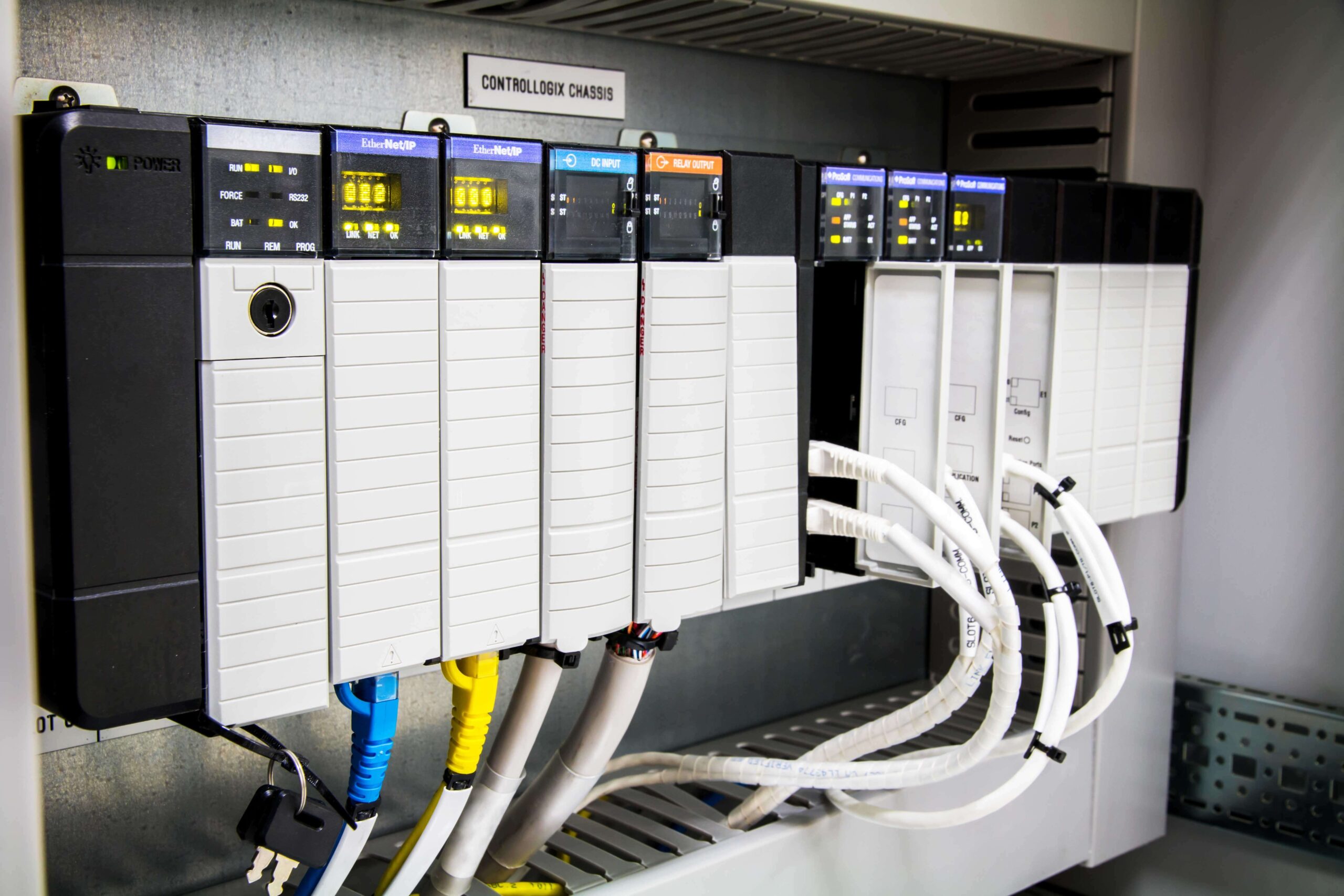
Before diving into courses, simulators, or programming software, it helps to build a clear mental picture of what a programmable logic controller is and what it does. A PLC is an industrial-grade digital computer, designed from the ground up to operate in environments that would destroy a standard computer — extreme heat, electrical interference, vibration, moisture, and dust. Unlike general-purpose computers, PLCs are built for one primary purpose: to control electromechanical processes in real time with absolute reliability.
The way they accomplish this is through a continuous operating cycle. The controller reads signals coming in from input devices — things like sensors, limit switches, push buttons, and pressure transducers. It then processes those signals according to the logic that has been programmed into it, and finally sends commands to output devices like motors, solenoid valves, indicator lights, and alarms. This read-process-output cycle happens continuously, often hundreds of times per second, ensuring that the system responds to changing conditions almost instantaneously.
When this logic is written correctly, automated systems run with impressive precision. When it contains errors or is poorly structured, the consequences can range from minor production inefficiencies to significant downtime and, in some cases, serious safety risks. That reality underscores why proper training in this discipline is not just a career enhancement — it’s a professional obligation.
The Building Blocks of Effective PLC Controls Training
A strong training program in programmable logic controls doesn’t begin with a blank programming screen. It begins with hardware. Understanding the physical components of a PLC system — the processor, input modules, output modules, power supply, and communication cards — gives learners the context they need to make sense of everything that follows. Knowing how field devices physically connect to a controller and how data flows through the system creates the foundation on which programming knowledge is built.
Once that hardware understanding is in place, training typically moves through several interconnected areas:
Programming Languages and Standards
Ladder Logic is the most widely used language in the world of industrial control and for good reason. It was deliberately designed to resemble the relay logic diagrams that electricians had been reading for decades, making it accessible to people with electrical backgrounds. Its visual, rung-based format makes the flow of logic easy to follow, even for someone new to programming concepts. Beyond Ladder Logic, the international standard for PLC languages also includes Function Block Diagram, Structured Text, Sequential Function Chart, and Instruction List — each suited to different types of applications and industries.
Instruction Sets and Their Applications
Basic PLC Programming starts with contacts and coils — the fundamental elements of Ladder Logic. But real-world automation demands much more. Professional programmers need to be comfortable with timer and counter instructions, comparison and math functions, data move operations, sequencer logic, and more advanced capabilities like PID control loops used in process industries. Understanding not just what these instructions do, but when and why to apply them, is what transforms a beginner into a genuinely capable programmer.
Troubleshooting and Fault Diagnosis
Of all the skills developed through PLC controls training, troubleshooting is arguably the most immediately practical and the most valued by employers. When a production line stops unexpectedly at an inconvenient hour, someone needs to go online with the controller, read the live status of the program, identify where the fault is occurring, and resolve it quickly. That process requires a combination of logical thinking, familiarity with the software environment, and the ability to interpret what the controller is telling you through fault codes and I/O status indicators. These skills come with practice, and good training programs build them deliberately.
Why Free Training Resources Are a Smart Starting Point
Not everyone comes to this field with a clear roadmap or a training budget. Many people are simply curious about whether automation and controls is a direction they want to pursue. Others are experienced tradespeople who want to expand their capabilities without committing to a lengthy or expensive course before they know how the material will land for them.
This is exactly why starting with Free PLC Controls Training is such a sensible approach. Introductory free resources typically cover the basics of navigating the programming software environment, understanding the structure of a PLC project, and writing simple programs to get comfortable with the tools and interface. There’s no financial risk, no pressure, and no commitment beyond the time you choose to invest.
For many professionals, this kind of low-barrier introduction is what confirms that controls is the right career direction — and it provides just enough momentum to keep learning. Numerous automation engineers and controls technicians working in industry today started exactly this way — with a free resource, a software download, and a genuine curiosity about how automated systems work.
Who Should Pursue PLC Controls Training?
The range of people who benefit from learning programmable logic controls is broader than most would initially assume. This isn’t a niche skill set reserved for a specific type of engineer. It’s applicable across a wide spectrum of technical roles and backgrounds.
Industrial Electricians are among the most natural candidates. Their existing knowledge of control systems, wiring, and electrical safety gives them a significant head start. Adding programming knowledge to that foundation expands their role and value considerably — from technicians who maintain systems to professionals who can design, commission, and optimize them.
Mechanical Engineers in manufacturing environments frequently find themselves in automation discussions without the controls knowledge to meaningfully contribute. Understanding PLC logic bridges the gap between mechanical and controls disciplines and makes cross-functional collaboration far more effective.
Maintenance Technicians working around automated equipment every day stand to gain enormously from being able to read and interpret PLC programs. The ability to distinguish between a mechanical fault and a software-related issue can cut troubleshooting time dramatically and reduce unnecessary downtime.
Engineering Graduates entering the workforce often find that academic programs don’t fully prepare them for the specific tools and methodologies used in real industrial environments. Focused PLC training closes that gap quickly and makes new engineers immediately more productive.
Career Changers transitioning into industrial automation from other fields will find that documented PLC training knowledge on a resume sends a strong signal to hiring managers — it demonstrates both initiative and practical, job-ready competence.
How to Structure Your Learning for Maximum Impact
The most common mistake people make when approaching technical education is attempting to absorb everything at once without a clear progression. The most effective way to learn PLC controls is to move through material in a deliberate, layered sequence.
Begin with system architecture and hardware fundamentals. Build an understanding of what each component does before you write any code. Then move into basic Ladder Logic, starting with simple contact and coil instructions and building toward small, functional programs. Practice solving specific automation problems — turning on a motor after a timed delay, counting parts, responding to sensor inputs — before moving on to more complex instruction sets.
From there, progress into timers, counters, and data handling. Then explore analog control, communication between devices, and eventually more advanced programming concepts like modular code design and structured project organization. At every stage, use simulation tools to test your programs and deliberately test edge cases to understand failure modes. Understanding why something fails is just as important as knowing how to make it work correctly.
The Long-Term Value of This Investment
Industrial automation is expanding across virtually every sector of the economy, and that expansion is accelerating. The professionals who develop a strong foundation in programmable logic controls today are positioning themselves for sustained relevance in a job market that increasingly rewards technical depth and practical capability.
Whether your entry point is a free introductory resource or a more comprehensive structured course, the decision to invest time and energy into learning PLC controls is one that consistently pays off — in career opportunities, earning potential, and the genuine professional satisfaction of building systems that work exactly the way they should.






Comment