
Hardware for local AI Labs

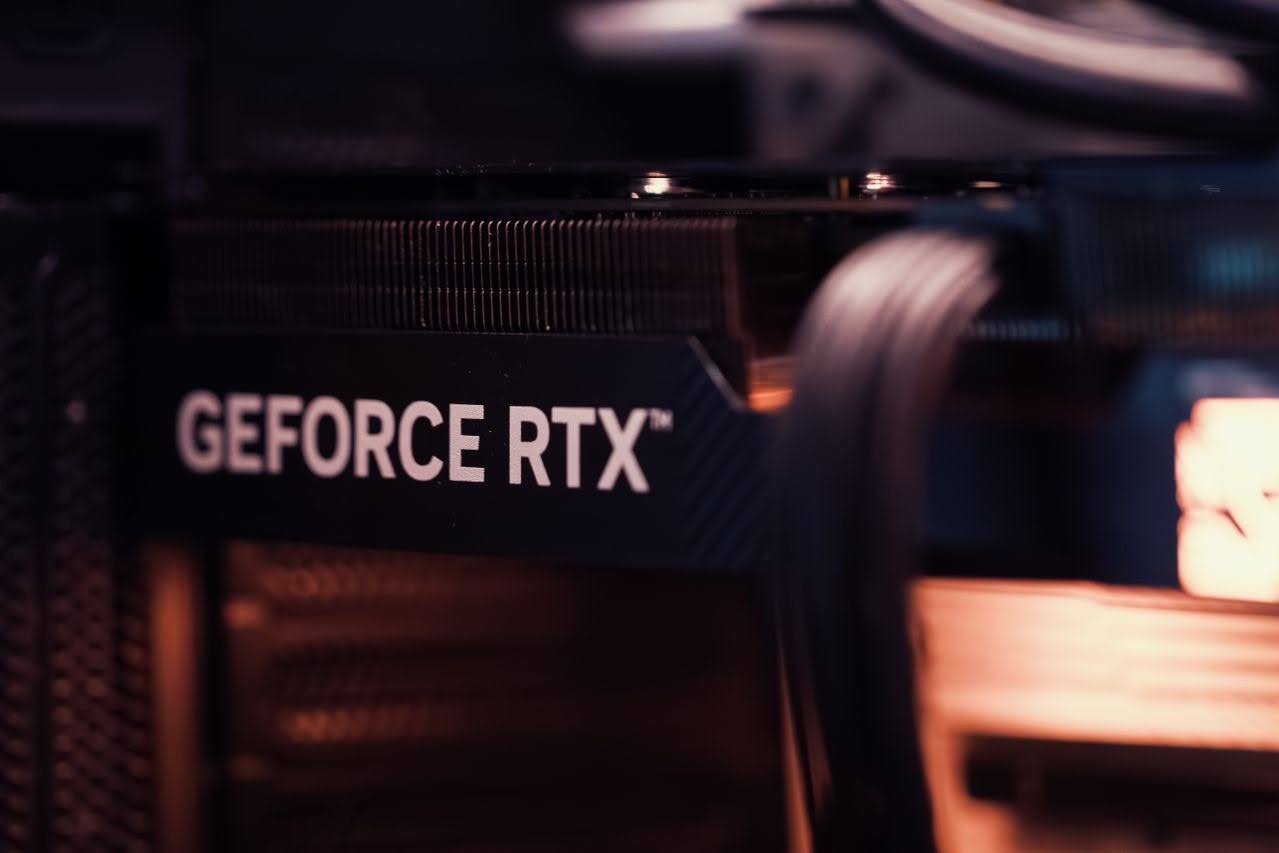
In AI, cutting-edge ideas paired with robust infrastructure create magic. But the real unsung hero is the hardware. And especially, the hardware team, procuring it and putting it together. Most don’t appreciate the difficulty of getting hold of an NVIDIA card these days. As AI research pushes boundaries, our requirements for AI lab infrastructure climb right along with it. Many times our own bodyweight in servers, racks, cabling, and power must be constantly kept running, to service the research and progress.
The Foundation of a Foundational AI Lab: Hardware
AI is insatiably thirsty for air, cooling, and power. Labs crave maximum computing power like a marathoner craves water. The heart of every AI lab is its hardware. Without the right machines humming away in the background, all the genius ideas and algorithms are just whiteboard theories. You want AI to run smooth? Get the hardware right.
Not just any hardware is interoperable. The intricacies of each setup require specialized components that facilitate connectivity between components. Not just any cabling harness from the local shop will work. If you link two NVIDIA DGX Spark or GB10 systems into one cluster, you need a QSFP112 direct-attach cable such as a DGX Spark cable, not a generic network cable.
CPUs and GPUs: The Power Couple
Think of Central Processing Units (CPUs) as the unsung heroes behind the curtains. They’re your all-rounders, handling countless tasks with precision. But when AI dives deep into training models, Graphics Processing Units (GPUs) step in. These beasts accelerate processes, spitting out complex computations like they’re going out of style.
Memory: The Bigger, the Better?
AI demands memory. And I’m not talking about the kind that lets you reminisce about last summer. Ram, especially in gigs and teras, keeps the wheels turning. Models need to access and process vast amounts of data at lightning speed. So yes, when it comes to memory, more is always more.
Now imagine an AI model halfway through a complex computation, only to halt due to insufficient memory. Such scenarios stifle progress and waste both time and resources. Increasing memory capacity directly correlates with increased productivity and enhanced model performance. Businesses can witness these benefits in real-time, leveraging advanced algorithms to solve problems faster and with greater precision.
Moreover, high-capacity memory maneuvers through data silos, breaking stagnation and promoting seamless data integration. As datasets continue to expand, vast memory resources are no longer a luxury but a strategic necessity, ensuring data flows without interruption and models run from inception to completion without a hiccup. This fusion of speed and capacity is non-negotiable for top-tier AI operations.
Storage Matters, Too
Picture this: a crammed closet versus a walk-in wardrobe. Which do you prefer? AI labs need storage and plenty of it. Dormant data, ready to spring into action, need fast-access storage solutions. Solid State Drives (SSDs) to the rescue! They’re quick and reliable. Forget about antiquated hard drives dragging down momentum.
In AI processes, latency can be a silent productivity killer. With brilliant SSD technology, latency becomes a thing of the past. The speed at which data is recalled and processed significantly impacts an AI lab’s overall performance. By reducing load times and improving read-write speeds, SSDs deliver an unparalleled operational edge, giving labs the agility they need to stay ahead of the pack.
Cooling
No one likes a hothead, especially in tech. Overheating is the devil’s whisper in an otherwise harmonious lab. Precision is key, and precision requires stable temps. Cooling systems are your safety nets, ensuring machines operate at optimal efficiency. Without them, your top-tier hardware burns out faster than a candle in a hurricane.
Future-Proofing: Avoiding the Dustbin of Obsolescence
We love shiny new toys. But in AI, they’re short-lived thrills. The trick lies in building flexibility into your hardware game plan. Stay adaptable, plan upgrades, but don’t chase every trend. Instead, anticipate the future and build infrastructure that can ride the next wave, not get drowned by it.
When constructing your hardware blueprint, considering adaptability is crucial. Today, it’s all about modularity. Modular designs allow labs to swap out components as advancements become available, saving on costs and ensuring continuous alignment with technological progress. Maintaining this level of fluidity positions labs as leaders in the AI field, ready for whatever comes their way.
Moreover, collaboration with vendors who prioritize in-depth research and future-oriented developments can catalyze transformation. Partnering with such forward thinkers allows AI labs to better navigate technological shifts, always keeping equipment aligned with best-in-class standards.
The road to AI success is paved with the right hardware choices. Go ahead, revel in the algorithms and cutting-edge software, but never forget the hardware workhorse making it all possible. Give these machines the attention they deserve, because in the world of AI, it’s the hardware that matters most.







Comment