
Uzbekistan’s Bets on Digital Banking are Paying Off
Uzbekistan’s financial reforms have been transformational for the country’s banking sector. This is easiest to see in the growing number of Uzbeks who use digital platforms to manage their finances, as part of a technological wave that is making people’s lives easier and more prosperous.
Mobile money QR codes are a great example of the innovation that these reforms have created. They’re now ubiquitous across Uzbekistan, but a decade ago, this was not the case. Cash was king. Since the introduction of digital banking, the use of QR codes for payments has soared. According to the Asian Development Bank, in 2025, mobile banking transactions were accepted at 139,000 locations across Uzbekistan, and transaction volumes rose 60% to UZS 646 trillion (US$55 billion).
These achievements are only possible because of a bold policy reform programme, which enabled the establishment of a digital banking sector in Uzbekistan. The turning point came in 2016, when President Shavkat Mirziyoyev put the private sector at the heart of the country’s growth strategy. Three key policy reforms have changed everything and continue to enable innovation in Uzbekistan’s financial services, benefiting millions of people.
The first was the 2017–2021 National Development Strategy, which set out a clear plan and timeline to open the economy, and many of these milestones have since been met. The most transformational of these policies was currency liberalisation in September 2017, which removed restrictions on access to foreign exchange and ended the damaging gap between official and informal exchange rates. The second was the 2019 Law on Payments and Payment Systems, which gave fintech companies and payment providers a proper legal footing by recognising electronic payments.
The third vital reform was the 2020 Banking Sector Reform Strategy, which committed the country to privatisation, allowing for greater competition to encourage more people to bank, save and borrow. This private-sector competition continues to drive investment and talent into the industry, leading to innovation and job and revenue growth. Together, these measures removed the practical obstacles for entrepreneurs, including access to foreign currency, and gave greater certainty for investors.
The impact of these reforms is undeniable. Account ownership among adults rose from 44% in 2021 to 59% in early 2025, while 72% of adults have made digital payments. But access is only the first step. Just 7.4% of adults used a bank for their savings in 2025. Payments have gone digital much faster than savings, investments and responsible credit. There are still huge growth opportunities in the sector.
The President has set an ambitious new reform agenda to build upon the strong progress made since 2017. The Central Bank recently launched the National FinTech Strategy for 2026–2030, which sets out how Uzbekistan will expand its domestic technology to integrate further into the international financial system. It prioritises modern payments, interoperability, open banking, digital identity and stronger regional links.
Uzbekistan’s young demographics give the country a natural advantage. The country’s 38.5 million people have an average age of below 30. Young, digital-native customers do not see a bank branch as the natural starting point for financial services. They expect to open an account, send money, receive remittances from family overseas and run a business entirely on their phone.
This is where the real benefit of developing a fully digital economy becomes clear: entrepreneurship. Digital banking lowers the cost of starting and running a company. A shopkeeper can accept card and QR payments without installing expensive hardware. A self-employed tailor or taxi driver can record and track their income and expenses. A small business with no conventional collateral can use its transaction history to make the case for a business loan. A wave of new, digitally and economically savvy businesses can drive productivity and growth, improving the lives of millions of Uzbeks.
This progress is also being harnessed by the government. DGov, Uzbekistan’s digital government portal, has streamlined services including e-ID and e-taxation, while improving transparency, cutting red tape and connecting government agencies, banks and fintechs.
Of course, we must acknowledge that digital banking also comes with risks. Rapid digitisation creates opportunities for cybercrime and threatens to widen the gap between young, urban populations and older, rural and less-technically savvy customers. We must face each of these risks head-on. These must be met with measures such as gold-standard fraud-prevention services and customer financial literacy training and support.
Strong supervision is also paramount. The Central Bank’s 2025–2028 supervisory roadmap, based on the World Bank and IMF’s assessments, sets out a practical path for Uzbekistan to achieve the full Basel III framework to improve corporate governance and risk-based supervision. As an entrepreneur, I welcome the enhancements and safety features this will bring. Higher standards protect customers and give foreign investors the confidence to commit further capital to our country.
The reforms launched in 2017 laid the foundations, and a generation of entrepreneurs, myself included, have been able to build businesses that meet the varied needs of Uzbeks. If we continue with the President’s policy platform and align with international standards, Uzbekistan will continue to flourish. Our country has shown that it can build its own critical financial infrastructure at home while opening itself to the world. I believe Uzbekistan’s leadership is successfully establishing the country as Central Asia’s leading digital finance market, and I am proud to be part of it.
–
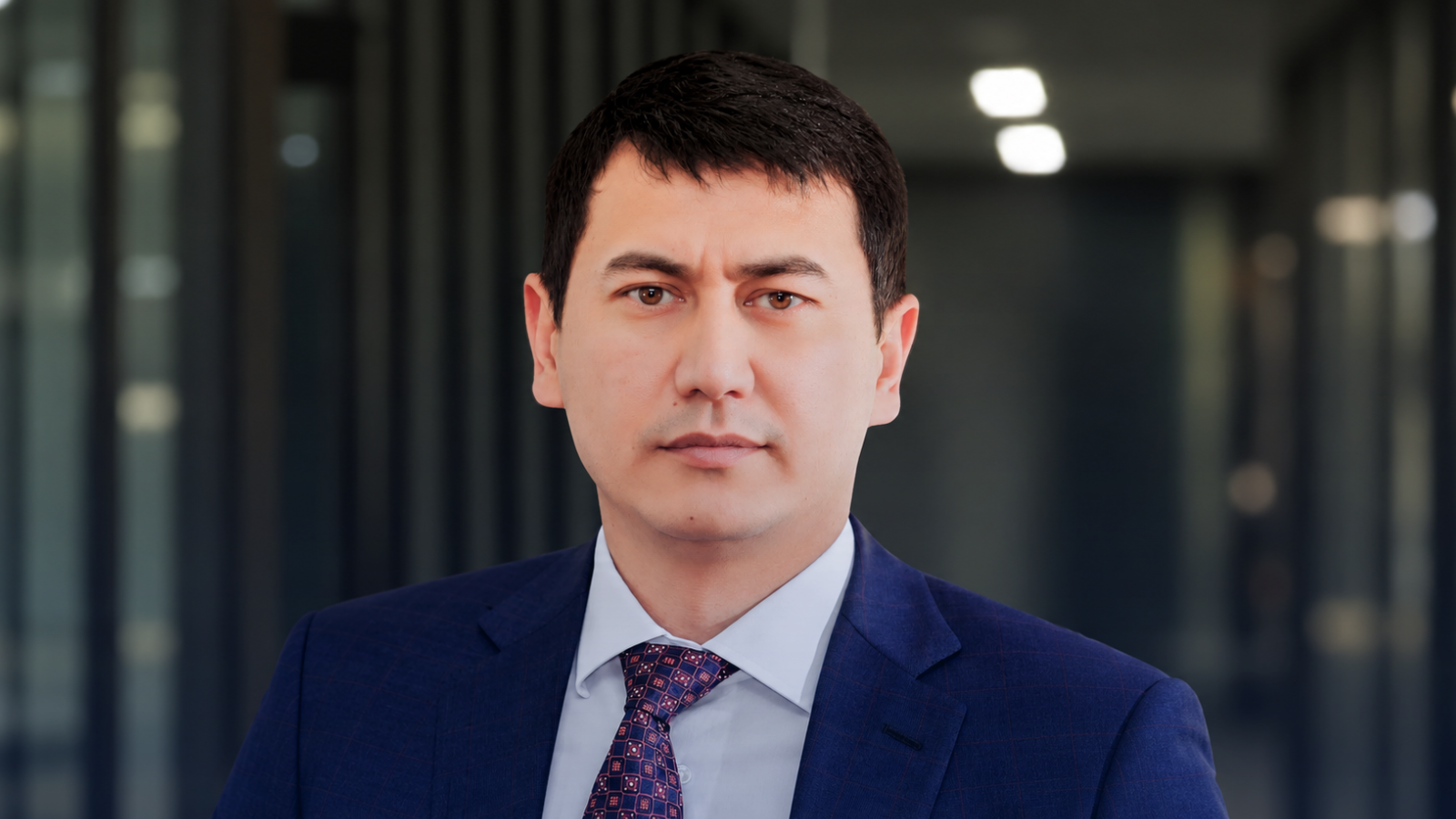
About the author: Kahramonjon Olimov is an Uzbek entrepreneur and a founder of Anorbank, a digital bank serving more than 3 million customers. He also founded New Retail, which partnered with French retailer Schiever to launch the bi1 supermarket chain in Uzbekistan. In 2023, Uzbekistan awarded Olimov the Order of Do’stlik under presidential decree honouring entrepreneurs for contributions to investment, job creation, and economic development.







Comment