
Transforming Pediatric Care Through Lifelong Advocacy and Action

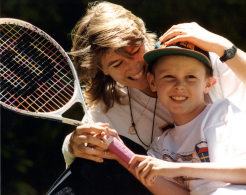
A diagnosis of pediatric cancer or a severe medical condition turns life upside down for a family. Beyond clinical treatments, young patients face emotional strain, isolation, and interrupted childhoods. Parents must juggle crushing financial burdens and navigating complex healthcare systems. Standard hospital care often misses the emotional, therapeutic, and long-term developmental support children need to thrive during and after treatment.
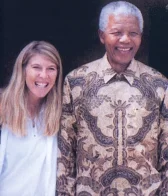
Andrea Jaeger stepped away from professional tennis at the height of her career to solve this crisis. She founded Little Star Foundation to provide comprehensive, free care for pediatric cancer patients and children with life-threatening illnesses. The organization delivers specialized daily, emergency and long-term care, including financial assistance. In this interview, Jaeger discusses how her team supports vulnerable families, builds therapeutic programs, and provides sustainable community care.
Q: You donated your professional tennis earnings to launch your own children’s non profit organization. Your Little Star Foundation has provided award winning programs for decades. What gaps in pediatric healthcare did you recognize early on that traditional medical facilities struggled to address?
Andrea Jaeger: I visited children in hospitals while I was a teenager traveling on the professional tennis circuit. I had a lot of free time and figured, “I am a kid and kids would rather be having fun than being in a hospital,” so I decided to help children in hospitals. I saw how the children wanted to connect. They wanted to be around people who were not scared of their diagnosis, or afraid how they looked and felt after cancer treatments. They wanted to have someone to play with, be a kid around, talk about big subjects like death and dying, and be remembered. That first hospital visit I said to God and myself, “I will be that person for children with cancer for the rest of my life.” In the beginning days of my foundation, 41 years ago, I volunteered at a children’s cancer hospital. I saw first hand how children with cancer would hold on for the holidays, like Christmas and their birthday and then pass on right after. I researched children’s hospitals around the country, talked to families and medical teams and was told that was happening across the country. No one was providing long term care programs because as I was told, “Long term care programs are too hard to fund, organize and operate. It is hard on the hearts of staff and it requires major time, commitment and resources. We only do the one day programs.” So I decided to design and pay for long term care programs so children with cancer would have things to look forward to all year, and to help the children live full each day. Parents, teachers and medical teams started reporting back to me that their children, students and patients, after participating in my Foundation’s programs, were enjoying life more, using less pain medicine, becoming active in their family, school, community and even living longer than what their doctors prognosed. Those early childhood hospital visits I arranged on my own turned into programs that are still going strong 41 years later.
Q: Little Star Foundation integrates specialized art, equine, sports, and animal therapies into its outreach. How do these hands-on programs help children manage physical trauma and emotional stress during aggressive medical treatments?
Andrea Jaeger: Animals, sports and art soothes the soul, heals in ways that doctors, teachers and specialists can’t even reach. Think about how you feel when you see or play with a puppy, watch a horse move, take your physical abilities and put them to sport and your creative talents that you never knew existed and they show up in making art. Animals have been medically proven to help with healing qualities, art reaches pain to heal and brings peace, and sports give confidence to motor skill rebuilding. All help with cognitive abilities as well. Plus, fun, laughter, teamwork and caring qualities occur in those activities, full childhood’s return and children’s personalities blossom with increased self esteem and better coping mechanisms and life skill sets.
Q: Pediatric illnesses place severe financial strain on households. What criteria guide Little Star Foundation when distributing direct financial aid to families struggling with non-medical living expenses?
Andrea Jaeger: Applications are extensive in order to provide the best possible support while stretching fundraised dollars the farthest. Once HIPAA permission is granted by families, I and Program Coordinator, Adriana, start talking to the hospital medical teams and families for the application process. Conversations and documentation about diagnosis, treatments, financial needs are required and combined to provide the best possible assistance based on the family’s current financial needs and request and funds available.
Q: Managing programs across hospitals, schools, and care centers requires significant coordination. How does your team deliver continuous, long-term support to patients and siblings throughout their recovery?
Andrea Jaeger: Given I have been helping children with cancer since I was a teenager I have formulated wonderful working relationships with pediatric oncologists and children with cancer medical teams, hospitals and caregivers for decades. Tenacity from being a professional athlete is a plus, as fundraising is a constant and never giving up, enthusiastic energy, like I always have since a kid and still have in abundance is a bonus. The VP has a degree in psychology and is brilliant in business. Program Coordinator for a decade, Adriana Solarova, is also a former pro tennis player, has a degree in business and exercise physiology, and like me also thrives on hard work, attention to detail, high standards and keen problem solving skills. Supporters who donate are absolutely essential for us to achieve the successful results we have had for 41 years, and want to continue to have. Ambassadors, (children with cancer that grew up in our programs), add to the team of passion, experience, expertise and dedication. I trained as a systems analyst and have multiple degrees ranging from Theology to Disaster Management. And a huge gift is that God called me to this work and I have answered that call, same for everyone else. The Little Star Foundation Team, Ambassadors and caring supporters, with God’s help, bring our callings and gifts together making the world a brighter and better place for children with cancer, their families, caregivers and communities.
Q: High-profile athletes, entertainers, and advocates have supported Little Star Foundation over four decades. How do you turn those public platforms into direct, measurable resources for the children you serve?
Andrea Jaeger: The first person who ever donated to my Foundation was John McEnroe. That initial conversation decades ago when I asked John to help, John said, “Do you want an autographed tennis racket to help?” I said, “A financial donation will do far more.” John sent a check dated on Christmas day and he donated several times after that as well. Every decade more charities appear and the fundraising is even harder than it was at the beginning, and the beginning was far from easy. Back then I was one of very few athlete charities. I don’t know of other athletes who gave all their sports earnings or provide comprehensive long term care programs for children with cancer. What I have been told is I inspired generations of athletes, celebrities and people to help others and that is great. Do I welcome, need, and appreciate anyone interested in donating to Little Star Foundation? Absolutely. Hospitals across the U.S., St. Jude Hospital included, contact me and Little Star Foundation requesting financial assistance and other programs for their children with cancer patients. With all those requests coming in for Little Star Foundation free essential programs, waiting lists do occur. Little Star Foundation stretches donation dollars as far as possible and goals include financial support coming in to meet all the growing needs of requests.
Q: As Little Star Foundation continues expanding its programs and podcast reach, what are your strategic priorities for extending care to more families in need?
Andrea Jaeger: Educating the public is necessary. Most people are unaware that childhood cancer treatments can last years, that a parent’s employment insurance may not cover their child’s treatment costs, others lose their income due to missing work, relapses, emotional, financial, spiritual and physical setbacks are a constant for families. Children with cancer can experience severe depression and loss of interest in life if care programs are not provided. The Little Star Light Podcast brings educational and inspiring stories for families and the general public to enjoy, aspire to and learn from whether they are experiencing long hospital stays and however living life fullest is for anyone. And children with cancer that grew up in Little Star Foundation Programs are featured and help with the interviews.
Fundraising is always a strategic priority as donation dollars fund Programs. On average 93-95% of all dollars received go directly to programs. That is a remarkable feat. Even more remarkable would be to raise enough to clear wait lists each year. We are doing our best, and we know supporters are doing all they can to help too. Getting the word out about Little Star Foundation to new audiences and supporters is an important goal.
The national compassionate, non-clinical and clinical care programs we provide play a decisive role in pediatric care, recovery and living full, daily and long-term. A child facing cancer requires psychological comfort, family stability, and genuine joy alongside traditional medical interventions. Little Star Foundation combines direct financial aid with specialized therapeutic programs supporting both the patient and the entire family unit throughout the healing and general treatment process.
The demand for whole care pediatric support grows every day. Long-term recovery requires communities and healthcare providers to fund and prioritize the mental, emotional, and social well-being of young patients. Little Star Foundation provides a sustainable, compassionate framework that continues to restore childhoods, fullness of life and dignity to vulnerable children across the nation. Until then and even thereafter Little Star Foundation is doing the best they can in this our 41st year and soon to be 42nd year.
To learn more, visit https://www.littlestar.org/





Comment