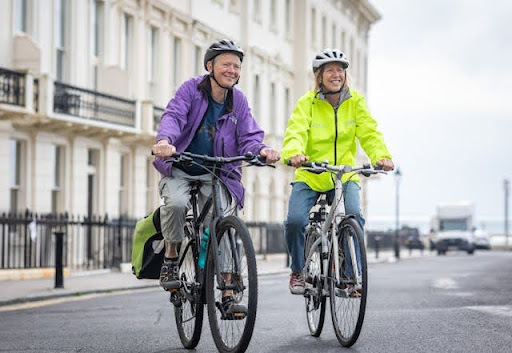
As we age, maintaining an active lifestyle becomes more important than ever. Regular physical activity not only supports overall health but also enhances mobility, independence, and quality of life. Among the many low-impact exercises available, bicycling stands out as one of the most beneficial activities for seniors. Whether using a traditional road bike, a stationary bike, or an electric-assist bicycle, older adults can enjoy countless advantages from cycling regularly.
In this guide, we will explore the top benefits of bicycling for seniors, highlight its impact on physical and mental well-being, and share practical tips for safe and enjoyable riding.
Why Bicycling is Ideal for Seniors
Cycling is often considered the perfect exercise for seniors because it combines low-impact movement with cardiovascular benefits. Unlike running or other high-impact activities that can put stress on joints, bicycling is gentle on the knees, hips, and ankles. At the same time, it provides an excellent aerobic workout that helps maintain a healthy heart and lungs.
For seniors who may struggle with balance or mobility, stationary bikes or tricycles are great alternatives that allow them to enjoy the same health benefits with added stability and safety.
1. Improves Cardiovascular Health
One of the most significant benefits of bicycling for seniors is improved heart health. Regular cycling helps:
- Strengthen the heart muscle
- Improve blood circulation
- Lower blood pressure
- Reduce the risk of heart disease and stroke
Even short sessions of 20–30 minutes, a few times a week, can make a measurable difference in cardiovascular fitness. Cycling is also known to lower “bad” LDL cholesterol while increasing “good” HDL cholesterol, further protecting heart health.
2. Supports Joint and Bone Health
Joint pain and stiffness are common as we age, particularly for those with arthritis or osteoporosis. Bicycling provides a low-impact workout that allows seniors to stay active without putting unnecessary stress on their joints. The circular pedaling motion helps lubricate joints, improve flexibility, and strengthen surrounding muscles that support bone health.
Additionally, weight-bearing exercises like cycling help maintain bone density, reducing the risk of fractures.
3. Builds Strength and Endurance
Cycling may seem like a gentle activity, but it engages multiple muscle groups. Pedaling works the quadriceps, hamstrings, calves, and glutes, while maintaining balance strengthens the core and lower back. Over time, seniors who cycle regularly build greater strength, stamina, and overall endurance.
This increased muscular strength makes everyday activities—like climbing stairs, carrying groceries, or walking longer distances—much easier.
4. Enhances Balance and Coordination
Falls are a major concern for older adults, often leading to serious injuries. Bicycling helps improve balance, coordination, and stability, which are essential for fall prevention. By regularly practicing cycling, seniors can strengthen their sense of equilibrium and spatial awareness. Even riding a stationary bike supports muscle memory and coordination, reducing the likelihood of accidents in daily life.
5. Helps Manage Weight
Maintaining a healthy weight is key to preventing chronic diseases such as type 2 diabetes, hypertension, and heart disease. Bicycling is an effective calorie-burning activity that can support weight management for seniors. Depending on intensity, a moderate 30-minute cycling session can burn 200–400 calories.
When paired with a balanced diet, cycling helps older adults keep their metabolism active and maintain a healthy body composition.
6. Boosts Mental Health and Cognitive Function
Physical activity is not only about the body—it also benefits the mind. Bicycling is known to reduce stress, anxiety, and symptoms of depression by releasing endorphins and serotonin, the “feel-good” hormones.
For seniors, regular cycling can also help improve memory, focus, and cognitive processing speed. Research suggests that aerobic exercise like cycling may lower the risk of developing dementia or Alzheimer’s disease by supporting healthy brain function and circulation.
7. Improves Sleep Quality
Many seniors struggle with sleep disturbances or insomnia. Bicycling can be a natural solution. By regulating energy levels and reducing stress, cycling helps promote deeper, more restful sleep. Seniors who cycle during the day often find it easier to fall asleep and stay asleep throughout the night.
8. Enhances Social Connections
Cycling is not just an individual activity—it can also be a social one. Joining a cycling club, riding with friends, or participating in community biking events gives seniors opportunities to connect socially, which is crucial for mental well-being and reducing feelings of loneliness.
Group rides provide motivation, accountability, and companionship, making cycling even more enjoyable.
9. Convenient and Adaptable
Another reason bicycling is perfect for seniors is its flexibility. Options include:
- Outdoor cycling: Provides fresh air and scenic enjoyment.
- Stationary bikes: Safe and convenient for home workouts.
- Electric-assist bikes (e-bikes): Offer extra support for longer rides or challenging terrain.
- Tricycles: Provide maximum stability for those who may struggle with balance.
This adaptability allows seniors of all fitness levels to find a form of cycling that works best for their needs and abilities.
Safety Tips for Seniors Who Cycle
While cycling offers numerous benefits, safety is essential—especially for older adults. Here are some important tips:
- Choose the right bike: Select a bicycle or tricycle designed for comfort, with an upright seating position and easy-to-use gears.
- Wear protective gear: Always wear a properly fitted helmet and reflective clothing.
- Start slow: Gradually increase distance and intensity to avoid injury.
- Check your bike regularly: Ensure brakes, tires, and gears are in good condition.
- Stay hydrated: Bring water along, especially for outdoor rides.
- Consult a doctor: Seniors with pre-existing health conditions should seek medical approval before starting a cycling routine.
Getting Started with Cycling as a Senior
For seniors who are new to cycling, the key is to start small and be consistent. Begin with short, manageable rides—around 10–15 minutes—and gradually increase time and distance. Stationary bikes are a great starting point for building confidence and strength.
Pairing cycling with light stretching or strength training can further enhance mobility and muscle balance.
Setting realistic goals, such as cycling three times per week, can help establish a sustainable habit. Seniors may also find motivation by tracking progress with a fitness app or journaling their rides.
Final Thoughts
The benefits of bicycling for seniors are both wide-ranging and profound. From boosting cardiovascular health and building strength to improving mental well-being and social connections, cycling offers a safe, enjoyable, and adaptable way for older adults to stay active.
Incorporating bicycling into a weekly routine can significantly improve quality of life, independence, and long-term health outcomes. Whether outdoors on a scenic trail, indoors on a stationary bike, or cruising on an e-bike, seniors can embrace the joy of cycling at any age.