In the ever-evolving landscape of large-scale construction and infrastructure development, the demand for reliable, heavy construction equipment is at an all-time high. Undertaking such monumental projects requires not only skilled personnel but also the right machinery to get the job done efficiently and effectively. However, not all construction companies have the necessary equipment at their disposal, invariably leading to the need for heavy construction equipment rental. In this comprehensive guide, we will delve into the essentials of dozer hire, excavator hire, and dump truck hire, arming you with the knowledge to navigate the complexities of managing such vital resources in your construction projects.
Understanding the Role of Dozers in Construction
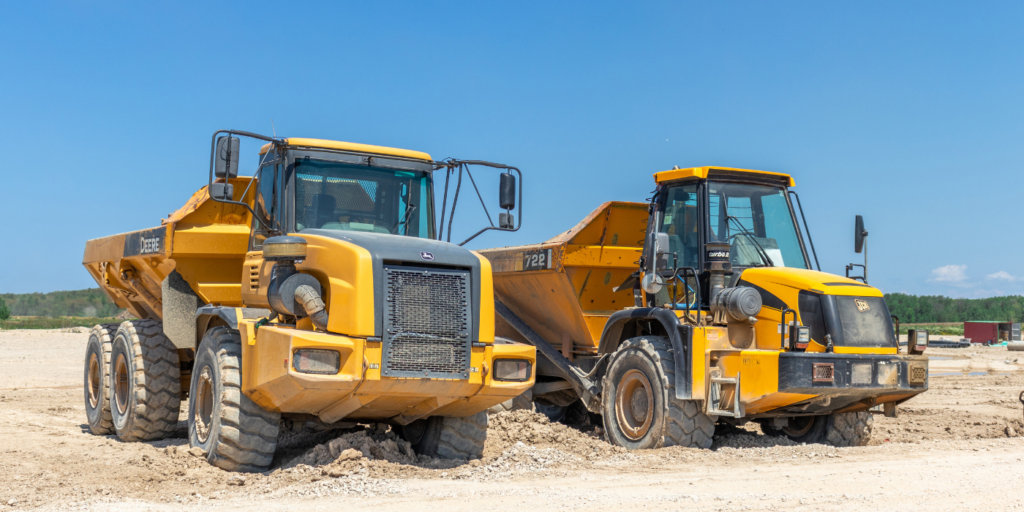
Dozers, also known as bulldozers, are one of the most versatile pieces of heavy equipment on a construction site. Known for their robust build and substantial track, these machines excel at clearing terrain, grading, and pushing substantial amounts of soil and rubble. A dozer is indispensable for earthmoving tasks, making dozer hire a priority for projects requiring significant land alteration.
Why Consider Dozer Hire?
Opting for dozer hire is a savvy decision for project managers looking to control costs while maintaining access to high-quality machinery. It offers flexibility for short-term projects or when you need an additional dozer to meet project deadlines. Moreover, renting ensures you’re using late-model dozers equipped with the latest technology, leading to more precise and efficient operations.
The Excavator Hire Advantage
Excavators are pivotal in the completion of a myriad of tasks including digging trenches, foundations, and holes, demolition, heavy lifting, and even river dredging. Rental excavators come in various sizes, from mini excavators for smaller jobs to substantial ones capable of managing larger tasks. Deciding on excator hire allows construction companies to tackle diverse projects without the financial strain of owning a fleet of different-sized excavators.
The Case for Renting Excavators
When it comes to excavator hire, one significant benefit is the reduction in ongoing costs such as maintenance, storage, and transportation. Renting also gives access to machines with advanced features such as GPS and motion control systems, which are often too costly for many contractors to invest in.
Dump Truck Hire: Enhancing Efficiency on Site
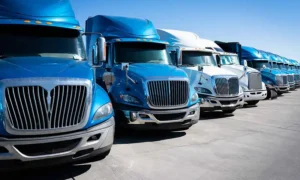
No large-scale construction project can function smoothly without a fleet of dump trucks. These gargantuan vehicles are vital for transporting materials on and off-site. They are designed to carry hefty loads and ensure that waste materials are removed promptly. Additionally, dump trucks play a crucial role in maintaining the tidiness and safety of the site by removing the overburden and debris generated during construction.
The Benefits of Choosing Dump Truck Hire
Investing in dump truck hire is a highly efficient solution, particularly for projects with a limited duration. Renting dump trucks means the latest models with enhanced fuel efficiency and load-carrying capabilities are at your disposal without the financial commitment of ownership. Moreover, rental companies often offer the services of trained operators, ensuring maximum efficiency and safety.
Choosing the Right Rental Company
The success of your construction project heavily relies on the quality and reliability of your heavy equipment. Therefore, partnering with a well-established and reputable equipment rental company is vital. The ideal rental company will not only provide a wide array and up-to-date models but also top-level customer service and flexibility to cater to your project needs.
Factors to Consider When Hiring Equipment
When planning for dozer hire, excavator hire, or dump truck hire, it is crucial to consider the specific requirements of your project, such as the scale of work, the kind of terrain involved, and the duration for which you will need the machinery. These factors will help you determine the type and specifications of the equipment needed.
Moreover, assess the rental company’s service and maintenance provisions. Reliable support and quick resolution of any issues are essential to prevent downtime that can affect project timelines. Also, take into account the logistics of delivery and collection of the rental equipment, ensuring they align with your project scheduling.
Finally, consider the training and expertise provided by the rental company. Established rental firms often offer training and advice on the best use of their machines, as well as dedicated personnel to troubleshoot any issues during the hire period.
In Conclusion
Heavy construction equipment rental, be it dozer, excavator, or dump truck hire, provides an affordable and practical solution for construction projects of varying scopes and sizes. The flexibility, cost-saving advantages, and access to a range of specialized machinery are among the compelling reasons why rental is often preferred over purchasing equipment outright.
When meticulously planned and managed, hiring heavy equipment can significantly enhance the efficiency and productivity of your construction project. With the right rental partner, you can ensure that your project is equipped with the best machinery, backed by comprehensive support and service.
To maximise the success of your next construction venture, start by exploring reputable rental options from trusted providers. With the correct equipment on hand, you’re ready to master the challenges of any construction project.
If you are looking to hire quality dozers, excavators, or dump trucks for your upcoming project, ensure you choose a partner that promises reliability, versatility, and machines that are regularly serviced and maintained to the highest standard. Embarking on a major construction project can be daunting, but with the right heavy equipment at your fingertips, the path to completing your project on time and within budget becomes much clearer.
Read More From Techbullion And Businesnewswire.com