
Where Can I Sell Diabetic Supplies? 8 Legit Places Explained

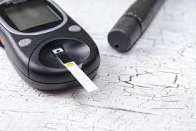
Where Can I Sell Diabetic Supplies? 8 Legit Places Explained
If you are wondering where you can sell diabetic supplies, there are several types of buyers and selling options to explore, including online diabetic-supply buyers, local buyers, specialized supply purchasing services, and certain community or resale channels. The right option depends on the type, condition, packaging, expiration date, and quantity of your supplies. Before sending anything, check whether the buyer accepts your specific products and understand the submission, shipping, inspection, and payment process.
If you have unused diabetic supplies that you no longer need, you may be searching for a convenient way to find a buyer. Online searches for sell diabetic supplies near me can return many different results, but not every option works the same way.
Some services specifically purchase eligible diabetic supplies, while others may simply provide a place to connect with potential buyers. Understanding the difference can help you narrow down your options.
Here are eight places and channels worth considering.
1. Online Diabetic-Supply Buyers
Specialized online buyers are one option for people looking to sell eligible diabetic supplies.
These services typically provide information about accepted products, packaging, expiration requirements, shipping, inspection, and payment. The process can usually be completed remotely, making it useful if you do not have a suitable local diabetic buyer nearby.
Before submitting your supplies, check the buyer’s current requirements for your exact product.
2. Local Diabetic-Supply Buyers
If you prefer to handle a transaction locally, you can research buyers operating in your area.
Searches such as sell diabetic supplies near me may help you identify potential local options. However, availability can vary significantly by location.
Before visiting or shipping supplies to a local buyer, confirm that they accept your specific product and ask about their process.
3. Specialized Medical-Supply Purchasing Services
Some businesses focus specifically on purchasing or handling certain types of unused medical and diabetic supplies.
These services may have narrower product requirements than general buyers. Check their accepted product list carefully and provide accurate information about the supplies you have.
This can be particularly important if you have several different brands or product types.
4. Local Resale Businesses
Depending on your location, you may encounter businesses that deal with surplus or unused supplies.
If you find one through an online search, contact the business first rather than arriving with your supplies. Ask whether they currently accept the exact products you have and what condition they require.
A business appearing in a search result does not automatically mean it purchases every type of diabetic supply.
5. Community-Based Connections
Community networks can sometimes help people identify organizations, groups, or individuals who may know where eligible unused supplies can be directed.
These connections are different from specialized buyers, so clarify whether you are dealing with an actual purchasing service or simply receiving information about available options.
If payment is important to you, confirm the nature of the arrangement before handing over your supplies.
6. Diabetes-Focused Organizations and Support Networks
Diabetes-focused organizations and support communities can be useful sources of information when you are trying to determine what to do with unused supplies.
They may help point you toward appropriate resources or explain available options. However, an organization providing information is not necessarily a buyer.
Always confirm whether a particular organization purchases supplies before treating it as a selling option.
7. Local Classified or Marketplace Channels
General classified platforms and online marketplaces may appear when searching for ways to sell unused supplies.
However, these platforms can have their own rules and limitations concerning medical and healthcare-related products. Review the platform’s current requirements before creating a listing.
If you use any marketplace, be careful about sharing personal information and make sure you understand how the transaction is handled before proceeding.
8. Ask a Specialized Online Buyer About Your Specific Product
Sometimes the simplest option is to contact a specialized buyer directly and ask whether your particular supplies qualify.
This can be helpful when you have an unfamiliar product, an older model, multiple expiration dates, or a package with unusual characteristics.
Rather than guessing whether your supplies qualify, provide the buyer with the exact product name, quantity, expiration date, and packaging condition.
What Supplies Can You Sell?
Eligibility depends on the buyer and the specific products you have.
Before looking for buyers, organize your supplies by:
- Brand and product name
- Exact model or type
- Quantity
- Expiration date
- Packaging condition
Common diabetic supplies can include blood glucose test strips, glucose meters, CGM sensors, and other related supplies, but acceptance varies between buyers.
Do not assume that an unused product automatically qualifies. Always check the current requirements of the buyer you are considering.
Online vs. Local Diabetic Buyers
If you are deciding between an online service and a local option, consider how each process works.
| Factor | Online Buyer | Local Option |
| Convenience | Can often be completed remotely | May require an in-person visit |
| Product requirements | Usually listed online | May need to be confirmed directly |
| Shipping | Often part of the process | May not be required |
| Buyer availability | Not limited to your immediate area | Depends on local availability |
| Support | May be available online or by phone | Usually handled directly |
Neither option should be chosen without first confirming that your specific supplies are accepted.
What Should You Check Before Sending Supplies?
Before completing a transaction, make sure you understand:
Product eligibility: Confirm that your exact supplies are accepted.
Expiration requirements: Check the expiration date on each package.
Packaging: Make sure the original packaging meets the buyer’s requirements.
Shipping or delivery: Understand how the supplies should be delivered.
Inspection: Find out what happens after the supplies are received.
Payment: Review the available payment methods and payment timeline.
Taking these steps can help you avoid sending supplies to a buyer that does not accept them.
Frequently Asked Questions
Can I sell diabetic supplies locally?
You may be able to find local diabetic buyers depending on where you live and what products you have. Search for local options, but contact the buyer first to confirm that they accept your specific supplies and understand their current requirements.
Which diabetic supplies are eligible?
Eligibility varies by buyer. Factors can include the product type, exact model, expiration date, quantity, and packaging condition. Check the buyer’s current requirements before shipping or delivering your supplies.
Final Thoughts
When deciding where you can sell diabetic supplies, start by identifying exactly what you have and then compare the available options. Online diabetic-supply buyers can provide a convenient alternative to searching exclusively for local buyers, while local businesses and community resources may offer other avenues to explore.
Regardless of the option you choose, confirm product eligibility, expiration requirements, packaging conditions, and the complete transaction process before sending your supplies.
If you have unused diabetic supplies and want to see whether they qualify, check item eligibility with We Buy Diabetic Supplies and review the current submission requirements.





Comment