Engine failure can feel like the end of the road for your vehicle, but it does not always mean you need to buy a new car. In many cases, replacing the engine is a practical way to extend the life of a vehicle you already know and trust. The challenge is deciding what kind of replacement engine makes the most sense. Used engines, rebuilt engines, and remanufactured engines each come with different costs, quality levels, warranty expectations, and long-term value. Understanding the differences can help you make a smarter decision after a major breakdown.
What Happens After Engine Failure?
When an engine fails, the first step is to understand the severity of the damage. Some engine problems can be repaired with targeted work, such as replacing a head gasket, timing chain, or oil pump. However, if the engine has suffered major internal damage, replacement may be the better option. Common signs of severe engine failure include knocking noises, heavy smoke, metal shavings in the oil, overheating, seized components, or loss of compression. At that point, your repair shop may recommend comparing replacement engine options instead of continuing to repair the existing engine.
Engine replacement can be a big investment, so it is important to consider more than the lowest upfront price. You should think about how long you plan to keep the vehicle, how dependable you need it to be, and whether the vehicle itself is worth the repair cost. A work truck, family SUV, or paid-off daily driver may justify a higher-quality engine replacement. On the other hand, an older vehicle with rust, transmission problems, or electrical issues may not be worth the most expensive option. The best choice depends on the condition of the vehicle and your long-term goals.
What Is a Used Engine?
A used engine is removed from another vehicle and installed into yours with limited internal repair or inspection. These engines often come from salvage yards, accident vehicles, auction vehicles, or cars that were taken off the road for reasons unrelated to the engine. A used engine may be appealing because it is usually the least expensive replacement option. If the donor vehicle had low mileage and a clean service history, a used engine can sometimes provide a practical and affordable repair. However, there are more unknowns with this option than with rebuilt or remanufactured engines.
The biggest concern with a used engine is uncertainty. Even if the engine starts and runs, you may not know how well it was maintained, how often the oil was changed, or whether it was overheated in the past. Many used engines are sold with short warranties that cover the part only, not labor. That means if the engine fails shortly after installation, you may still be responsible for paying a mechanic to remove and replace it again. For drivers trying to minimize risk, that limited protection can be a major drawback.
A used engine may be a reasonable choice when:
- Your budget is very limited
- The vehicle is older or has lower resale value
- You only need the vehicle to last a few more years
- A low-mileage engine is available from a reputable source
- The warranty terms are clearly explained before installation
What Is a Rebuilt Engine?
A rebuilt engine is your existing engine, or a similar core engine, that has been disassembled, cleaned, inspected, and repaired by replacing worn or damaged components. The goal is to restore the engine to dependable operating condition without necessarily replacing every major internal part. A rebuilt engine may include new piston rings, bearings, gaskets, seals, timing components, and machined surfaces. The exact quality of a rebuilt engine depends heavily on the skill of the rebuilder and the parts used. Because standards can vary, it is important to ask detailed questions before choosing this option.
Rebuilt engines often cost more than used engines but less than remanufactured engines. They can be a good middle-ground solution when the engine block and major components are still usable. The rebuild process can also be customized based on the condition of the engine and your budget. However, not all rebuilds are equal, and the warranty may vary from one shop to another. A basic rebuild may solve the immediate problem, while a more thorough rebuild may deliver better long-term reliability.
Before choosing a rebuilt engine, ask the shop what parts are replaced, what machining is performed, and what warranty is included. You should also ask whether the rebuild follows factory specifications or shop-specific standards. Some rebuilds focus only on the failed components, while others involve a more complete overhaul. The more transparent the shop is, the easier it is to compare value. A rebuilt engine can be a smart option, but only when the work is performed by experienced professionals.
What Is a Remanufactured Engine?
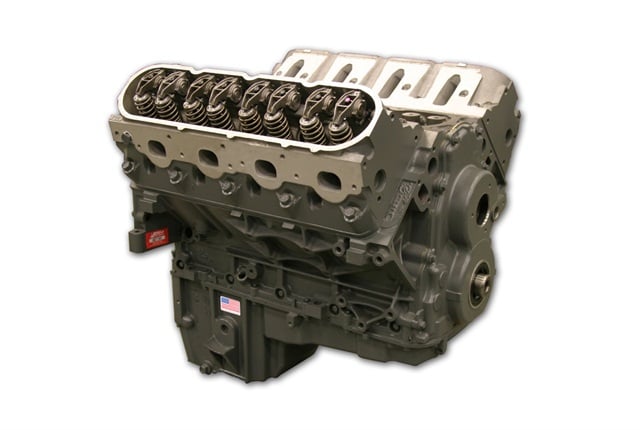
A remanufactured engine is built to meet strict specifications, often using a standardized process that restores the engine to original equipment standards or better. Unlike a basic rebuild, remanufacturing typically involves complete disassembly, cleaning, machining, inspection, replacement of worn parts, and testing. Components are measured against precise tolerances, and parts that do not meet standards are replaced. This makes remanufactured engines one of the most reliable replacement options after engine failure. For drivers comparing remanufactured engines in Kingston, NH, the main benefit is confidence in quality and consistency.
Remanufactured engines usually cost more upfront than used or rebuilt engines. However, they often provide better long-term value because they are built with tighter quality control and usually include stronger warranty coverage. Many remanufactured engines are backed by nationwide warranties, depending on the supplier and installer. This can be especially helpful if you rely on your vehicle for commuting, business, towing, or family transportation. When reliability matters most, the higher initial investment may be worthwhile.
Another advantage is predictability. With a used engine, you are relying on the unknown history of another vehicle. With a rebuilt engine, quality may depend on one shop’s process. With a remanufactured engine, the process is typically more standardized, which can reduce the chance of premature failure. That does not mean every remanufactured engine is identical, but it does mean the category generally offers a higher level of assurance.
Cost, Warranty, and Reliability Comparison
When comparing engine replacement options, price is only one part of the decision. A used engine may save money today, but it may come with a higher risk. A rebuilt engine can be a cost-effective solution when completed by a qualified mechanic. A remanufactured engine typically provides the strongest balance of dependability, warranty protection, and long-term performance. The right choice depends on whether your priority is lowest cost, balanced value, or maximum confidence.
Here is a simple comparison:
- Used engine: Lowest upfront cost, highest uncertainty, limited warranty
- Rebuilt engine: Moderate cost, quality depends on the rebuilder, warranty varies
- Remanufactured engine: Higher upfront cost, stronger quality control, often better warranty
- Best for short-term use: Used engine
- Best for balanced repair: Rebuilt engine
- Best for long-term reliability: Remanufactured engine
Labor costs should also factor into your decision. Engine replacement is time-intensive, and labor can be a major portion of the final bill. If a low-cost used engine fails, you may have to pay labor twice. That can erase the savings quickly. Spending more on a higher-quality engine may reduce the risk of repeat repairs.
FAQ
Is a used engine worth it?
A used engine can be worth it if you find one with verified low mileage, good compression, and a reasonable warranty. It is usually best for older vehicles or situations where keeping costs low is the main goal. The risk is that you may not know the engine’s full history. Always buy from a trusted source and confirm what the warranty covers.
Is a rebuilt engine the same as a remanufactured engine?
No, they are not the same. A rebuilt engine is repaired by replacing worn or damaged parts as needed. A remanufactured engine usually goes through a more complete and standardized restoration process. Remanufactured engines are often tested and built to stricter specifications.
Which engine option lasts the longest?
A quality remanufactured engine usually offers the best chance of long-term reliability. A rebuilt engine can also last a long time if the work is done properly. A used engine may last for years, but it carries more uncertainty. Maintenance after installation also plays a major role in engine life.
Does an engine replacement increase vehicle value?
An engine replacement can improve a vehicle’s usefulness and resale appeal, but it may not increase value enough to recover the full repair cost. Buyers may view a documented replacement engine as a positive, especially if it includes a warranty. However, the vehicle’s age, mileage, body condition, and transmission condition still matter. Engine replacement is often more about extending vehicle life than increasing resale value.
How do I choose the right engine replacement shop?
Look for a shop that explains your options clearly, provides written estimates, and offers warranty details upfront. Ask about parts quality, labor coverage, and experience with your vehicle make and model. A trustworthy shop should help you compare value, not just push the most expensive option. Clear communication is one of the best signs that you are making a good decision.
Which Option Is Best for You?
The best engine replacement option depends on your budget, your vehicle’s condition, and how long you plan to keep driving it. A used engine may be the right choice when affordability is the top priority, and you are comfortable with some risk. A rebuilt engine can be a solid middle option if the work is performed by a skilled shop and backed by a fair warranty. A remanufactured engine is often the best choice when you want dependable performance, better warranty protection, and a replacement that feels closer to a fresh start. For many drivers, the added peace of mind is worth the higher upfront cost.
Before deciding, compare the total cost of parts, labor, warranty coverage, and future risk. Do not judge the options by price alone, because the cheapest repair can become expensive if it fails early. Ask your repair shop to explain the condition of your vehicle and whether the rest of it is strong enough to justify the investment. If the transmission, suspension, frame, and electrical systems are in good shape, replacing the engine may be a smart way to avoid buying another vehicle. After engine failure, the right replacement choice can help you get back on the road with confidence.