Many cleaning business owners assume that a surge in website visitors will automatically translate into a busy diary. When looking at analytics reports, it is easy to get excited by high traffic numbers. However, thousands of monthly page views mean very little if those visitors have no immediate need for your services. In the competitive cleaning industry, chasing raw traffic volume is a common marketing trap that often leads to wasted time and budget.
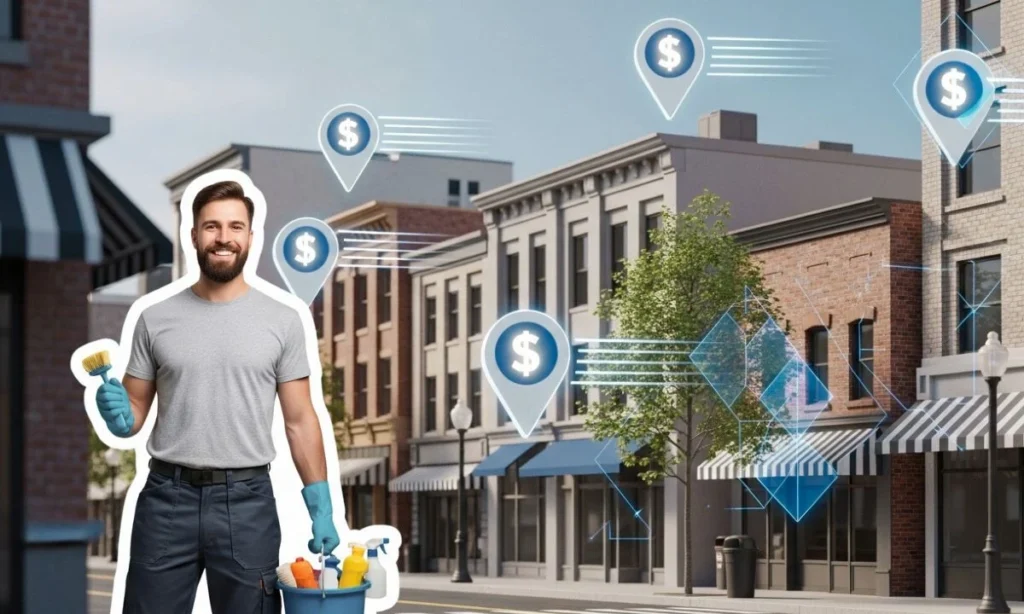
Understanding the difference between general web traffic and true consumer intent is crucial for sustainable growth. A homeowner reading a blog post about how to remove red wine stains from a carpet is rarely looking to hire a professional immediately. In contrast, someone searching for a specific service quote in your city is highly likely to make a booking today. For business owners looking to maximize their marketing return, focusing on acquiring high-intent cleaning leads shifts the focus from simple website hits to actual revenue-generating opportunities.
Defining High-Intent Leads vs. Vanity Traffic
Vanity traffic refers to website visitors who have general informational curiosity but no immediate buying signals. They might land on your site to read a quick cleaning tip, browse your blog, or research a DIY method. While these visitors are great for brand awareness, they are far down the sales funnel and may never convert into paying customers.
High-intent leads, on the other hand, are generated by prospects who are actively seeking a professional solution right now. These users have already decided they need a cleaner and are looking for the right provider. They typically use high-intent search terms such as “end of tenancy cleaning quotes” or “office cleaning services near me.” These ready-to-buy prospects require very little convincing because they already have a defined need and a budget in mind.
Why Quality Outperforms Quantity in the Cleaning Industry
When comparing quality vs quantity leads, service-based businesses usually find that targeting fewer, highly interested prospects results in a better return on investment than casting a massive net. First, it optimizes your marketing budget. When managing cleaning service advertising, paying for clicks from users who only want free advice quickly drains your resources. Targeting high-intent keywords ensures your budget is spent on clicks that have a high probability of converting.
Second, it improves operational efficiency. Sifting through dozens of low-quality, unqualified enquiries takes up valuable administrative time. Phone calls with people who are shocked by pricing or who live outside your service area distract your team from high-value tasks. By filtering for high-intent leads, your sales process becomes much smoother, allowing you to focus on warm prospects who appreciate the value of your services.
Strategies for Attracting Ready-to-Buy Prospects
Shifting your marketing approach to target high-intent prospects requires a deliberate strategy. It begins with aligning your online assets to capture immediate demand.
Targeting Search Terms with Commercial Intent
If you are running pay-per-click advertising campaigns, focus on transactional keywords rather than informational ones. Instead of targeting “how to clean windows,” you should target phrases like “professional window cleaning services.” These commercial keywords might have lower search volume, but the conversion rate is significantly higher.
Creating Conversion-Focused Landing Pages
When a high-intent user clicks on your link, they should land on a page that directly addresses their specific needs. If they searched for “school deep cleaning,” do not send them to your general homepage. Direct them to a dedicated page detailing your school cleaning services, complete with trust signals, certifications, and a simple, frictionless quote form.
Converting Cleaning Enquiries Quickly
Attracting high-intent leads is only half the battle; speed is the final piece of the puzzle. Because these prospects are ready to buy, they are often reaching out to multiple local providers simultaneously. When dealing with warm prospects, converting cleaning enquiries quickly becomes your most critical task. The cleaning company that responds first is usually the one that secures the contract.
To maximize your conversion rates, implement instant response systems. Whether this involves direct phone support, automated text replies, or a fast-quoting engine on your website, reducing response times ensures that warm leads do not go cold or turn to a competitor. By shifting your focus from overall traffic metrics to high-intent conversions, you can build a more predictable, profitable, and stress-free pipeline of regular clients.