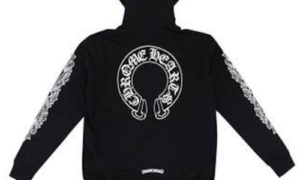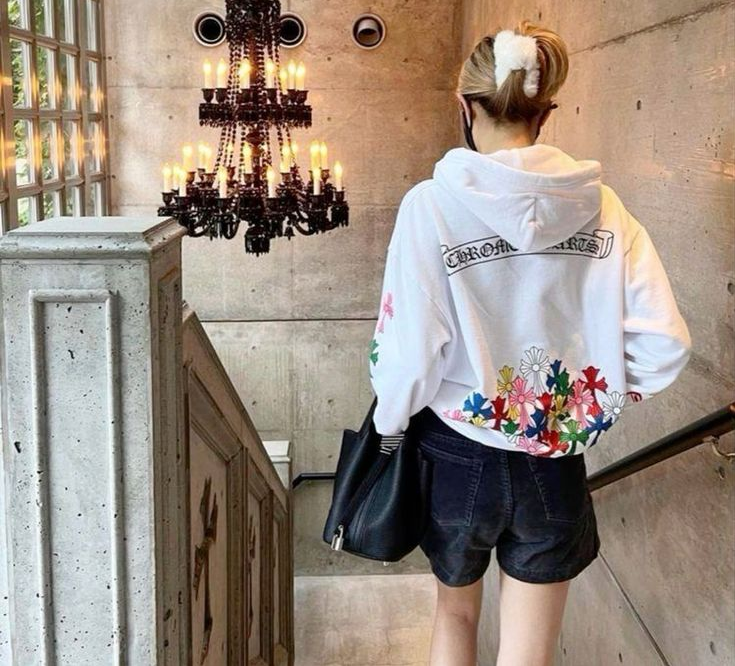
I noticed it for the first time on a train. A guy in a plain gray coat, nothing flashy about him, except for the ring. Heavy silver, a cross worked into it, the kind of thing you feel before you see. He was reading a paperback and did not look up once. That ring probably cost more than his whole outfit, and he wore it like it was nothing. That is sort of the whole thing with クロム ハーツ in Japan. The label came out of Los Angeles back in the late eighties, biker leather and silver, and a bit of attitude. Japan took one look and decided it belonged here. Not as a trend. As something closer to an inheritance. People do not just buy these pieces; they wait for them, save for them, and hand them to their kids. A single ring can run you the price of a month’s rent and still vanish off the shelf in a day. To get why a brand from California ended up so loved in Tokyo, you have to start somewhere close to that train.
A Brand Built on Craft, Not Logos
Most luxury houses sell you a name and a little stamped logo to prove you paid for it. Chrome Hearts sells you the hours. Somebody sat at a bench and carved that thing. Hammered it. Finished it by hand, one at a time, the old slow way nobody bothers with anymore. And here is the funny part. That stubbornness is exactly what Japan responds to. This is a country that still honors the master who spent forty years learning to do one thing properly. A brand that refuses to speed up reads as honest here. Pick up a piece, and you can feel the weight of it, the work in it. The flannels, the silver, the gothic little details, none of it gets churned out by the thousands.
What actually sets the craft apart:
- Solid 925 sterling, not plated junk, so the metal ages into a patina instead of flaking off
- Hand finishing on every single item, which leaves tiny quirks that make yours slightly your own
- Small production runs, so the stuff never starts feeling cheap or everywhere
- Repairs and refurbishment if something wears down, because they expect you to keep it for decades
The Cultural Fit With Japanese Style
Japan has this trick. It takes something from somewhere else and somehow ends up doing it better than the place it came from. Denim. Whisky. Jazz. All borrowed, all perfected here. Chrome Hearts walked the same road. The brand mixes biker grit with delicate metalwork, and that contrast is catnip for a fashion scene that lives on tension. Picture a salaryman in a quiet navy suit with exactly one silver ring on his hand. That ring carries the whole look. Then go to Shibuya on a Friday night and watch the kids stack five pieces at once, louder than anything. Both work. The brand bends. It can hide inside an outfit or run the entire show, and the stylists here figured that out years before most of the world caught on.
Celebrity and Music Influence
You really cannot explain the rise here without the musicians. The rock guys, the visual kei crowd especially, were wearing Chrome Hearts way before it became a respectable status thing. And think about what that does. You grow up watching a guitarist, every show, every magazine, and he has got the same cross pendant around his neck. After a while, that pendant stops being jewelry. It turns into a symbol of something. Hip hop artists picked it up next,t and the whole thing just kept rolling, one generation handing it to the next. Fans wanted what their heroes wore, the brand stayed scarce enough to keep that hunger sharp, and around it grew this devoted little world. If you want to see how deep the roots actually go, the community at クロム ハーツ tells you everything about how tangled up the brand is with Japanese music.
Scarcity That Drives Demand
Here is the bit that drives new buyers up the wall and makes collectors grin. You cannot just stroll in and grab whatever you fancy. The brand keeps the stock tight on purpose. Japanese shops are famous for it, the selective drops, the waiting lists that go on forever. And scarcity does something strange to value. When you finally land a piece, it feels earned, not bought. There is a story attached. It also props up resale prices, which matters more here than almost anywhere, because the secondhand luxury market in Japan is huge and, more importantly, people trust it.
Why does the scarcity land so hard in this particular market:
- Limited drops build real anticipation instead of the fake hype everyone sees through
- Discontinued pieces tend to climb, so getting in early actually pays off
- A trusted resale scene makes the whole purchase feel less reckless
- Owning something hard to find carries quite a weight among the people who know
More Than Jewelry, A Lifestyle
The rings and the silver are just the door in. Over time, the brand spread out into clothes, eyewear, leather, even furniture, and odd bits for the home. And for a certain kind of collector here, one cross necklace was never the plan. The plan is for the whole world. The jacket. The sunglasses. The wallet. Maybe a chair sitting in the corner of the apartment that costs more than the apartment’s rent. That level of commitment turns a customer into something more like a member of a club nobody officially runs. Once you are in, the brand stops being a thing you wear on a night out. It just becomes part of the furniture of your life, literally sometimes, and that is the loyalty that keeps it alive here year after year.
The Investment Angle
Plenty of buyers here keep one eye on the resale value the whole time, and they are not shy about it. Most fashion bleeds value the second you walk out the door. This stuff does the opposite. Take care of a piece, and it holds, or it climbs. Old collaborations and discontinued runs can pull real money years down the line. None of that is lost on a country with a long memory for quality and a careful, unhurried way with money. Buying turns into a kind of saving you happen to enjoy wearing. You get the piece now, and if life ever throws a hard month at you, the value is sitting right there on your finger. A practical instinct wrapped in heavy silver, which honestly might be the most Japanese way there is to love a luxury brand.
Why the Love Affair Will Last
Trends burn out fast. This one does not look like it will. The reasons are plain, and they lean on each other. The craft feeds a culture that bows to skilled hands. The scarcity keeps the wanting alive. The resale strength makes the buyer feel clever rather than foolish. And the lifestyle pulls people deeper the longer they stick around. Notice that none of it rides on a single hit song or one viral moment. It sits on top of things Japan has believed for a very long time, just dressed up in American silver this time. So as long as the workshops keep doing it the slow way, refusing to cut corners, the brand’s spot in Japanese closets and glass display cases is safe. That is the line between a real cultural fixture and something loud for a season and then gone.