Key Takeaways
When dealing with biohazard situations, immediate action is vital. Signs like visible blood or hazardous materials should prompt homeowners to call in professionals without delay to ensure safety and appropriate management of these emergencies.
Tragic events such as suicides, homicides, or severe accidents necessitate prompt expertise from biohazard specialists, who provide not only cleanup but also emotional support to aid in recovery.
The biohazard cleanup process unfolds in several critical stages: assessment, containment, removal, decontamination, and restoration, all aimed at eliminating hazardous materials effectively.
Experiencing rigorous safety protocols, biohazard professionals comply with regulations from OSHA and EPA, minimizing exposure risks throughout the cleanup.
By employing advanced cleaning methods and industrial-grade solutions, professionals operate at a level of thoroughness that exceeds what ordinary individuals can achieve.
Emotional sensitivity is paramount in biohazard restoration work; professionals provide vital support during traumatic circumstances, allowing clients to focus on their healing journey.
Client testimonials underscore the compassion and effectiveness of biohazard restoration services, affirming their essential role in fostering recovery after difficult times.
Expert Insights: When to Call Biohazard Restoration Professionals
Recognizing the Signs of a Biohazard Emergency
Biohazard situations can emerge from various circumstances—accidents, crime scenes, or even natural disasters. It’s essential to know when to contact biohazard restoration professionals. Obvious signs include the presence of blood, chemicals, or other hazardous materials. Facing such alarming cues can be overwhelming, and hesitation may lead to greater risks. Homeowners frequently find themselves confused about assessing the severity of a biohazard. Yet, any presence of bodily fluids or toxic substances calls for immediate professional help.
This goes beyond just cleaning up. Ensuring safety is the primary concern. Bloodborne pathogens, for instance, can pose significant health threats and might remain long after the initial incident. If there’s any doubt, leaning towards caution is prudent. It’s paramount to recognize that professionals possess the training and tools necessary to effectively manage these hazardous situations.
Common indicators to be aware of include:
- Evidence of human or animal remains.
- Large areas of visible mold growth.
- Strong chemical odors, particularly if linked to illicit drug activity.
Critical Scenarios That Require Immediate Action
Certain circumstances clearly demand rapid intervention from biohazard specialists. Events like suicides, homicides, or severe accidents can bring an overwhelming emotional burden. Yet, professionals deliver critical services that extend beyond simple cleanup. They safely handle hazardous materials, work to restore a space’s normalcy, and contribute to the emotional recovery process.
Some situations clearly warrant urgent attention. For instance:
- Industrial accidents involving hazardous substances.
- Severe flooding potentially introducing biological contaminants.
- Outbreaks or contamination from infectious diseases, such as COVID-19.
In such scenarios, biohazard restoration teams adhere to strict protocols for safety. Their approach is not limited to cleaning and disinfection; they also provide essential reassurance, which plays a critical role in the healing process.
The Biohazard Cleanup Process: What to Expect
Step-by-Step Breakdown of the Cleanup Procedure
Many may wonder what a biohazard cleanup entails. Understanding the process can ease apprehensions and instill confidence in the services provided. Here’s a straightforward overview:
- Assessment: Professionals assess the biohazard’s extent, identifying risks and necessary protocols.
- Containment: Effective containment is vital. Teams create barriers to prevent cross-contamination.
- Removal: Hazardous materials are systematically removed and disposed of in accordance with local regulations, requiring expertise and precision.
- Decontamination: Surfaces receive thorough cleaning and sanitization using modern materials to ensure safety.
- Restoration: The final step restores the affected area to its original state, enabling a fresh beginning.
Every stage prioritizes safety, ensuring that no hazardous materials persist after cleanup is complete.
Safety Protocols and Compliance Standards in Action
Cleanup isn’t just a straightforward job; it involves adherence to rigorous safety protocols and compliance standards. Each member of a biohazard cleanup team undergoes comprehensive training, becoming specialists equipped to handle hazardous materials with expertise.
Compliance with OSHA and EPA regulations is critical. These agencies define standards for personal protective equipment (PPE) and waste disposal. Clients can expect meticulous attention to detail, ensuring full compliance with regulations at every step.
“Safety and compliance aren’t just checkboxes – they’re the foundation of effective biohazard cleanup.”
This steadfast commitment to safety greatly reduces the risk of exposure for both cleanup personnel and homeowners or business operators. Knowing that trained professionals are overseeing the cleanup process provides invaluable peace of mind.
Benefits of Professional Biohazard Cleanup Services
How Professionals Ensure Thorough Decontamination
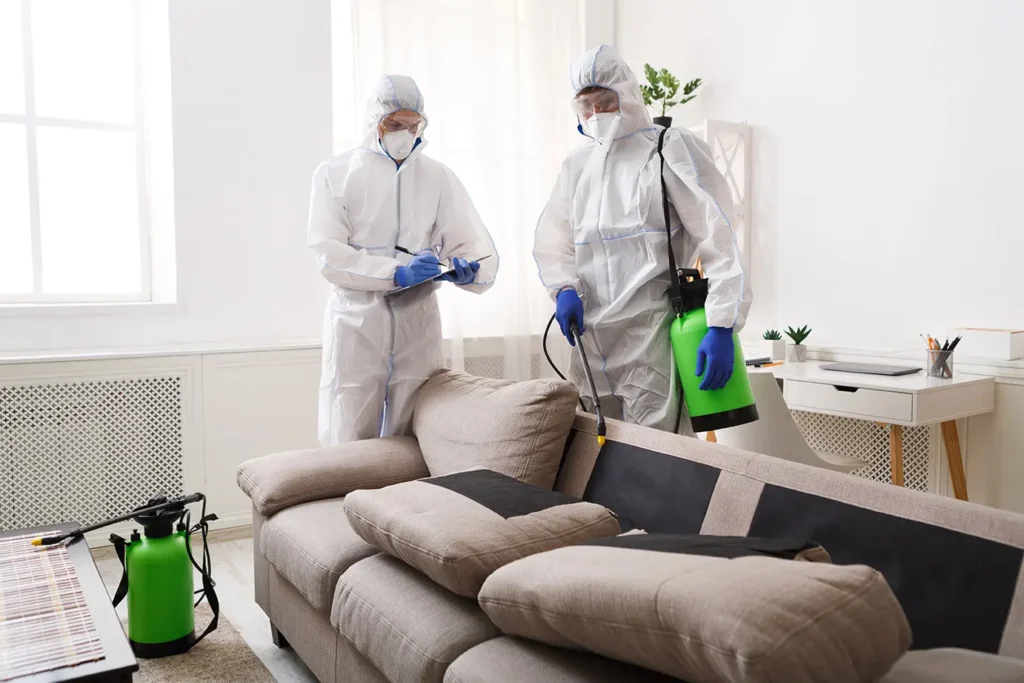
Ultimately, the primary aim of biohazard restoration services is to guarantee that the area is entirely free of contaminants. Professionals leverage advanced techniques and specialized tools unavailable to the average individual, raising safety standards significantly.
What can clients expect from these benefits? Here’s a quick look:
- Access to industrial-grade cleaning agents that efficiently eliminate pathogens.
- Usage of advanced equipment like foggers and HEPA vacuums to capture tiny particles.
- Capability to perform an exhaustive assessment identifying all hazardous zones.
These elements work together to enhance clients’ peace of mind. The thoroughness of professional services mitigates the risk of contaminants re-entering homes or workplaces, promoting safe environments moving forward.
The Value of Discreet and Compassionate Support
Beyond the physical cleaning, there’s an essential emotional dimension to biohazard situations. Such events often involve trauma, loss, or shock. Professionals are more than just cleanup technicians; they frequently receive training in handling sensitive matters with care and discretion.
Having a team that comprehends the gravity of the situation really matters. Clients frequently express relief knowing that their personal challenges will be treated with respect and attention. Biohazard teams prioritize confidentiality, allowing clients to focus on healing without the added worry of exposure or gossip.
“Emotional support during the cleanup process is just as vital as the physical restoration.”
This combination of expert cleanup and emotional consideration distinguishes dedicated providers in the industry. Offering both professional expertise and a safe space for clients is a powerful pairing.
Real-Life Case Studies: Success Stories in Baton Rouge
Transforming Spaces: Before and After Restoration
Examining real-life cases illustrates the substantial impacts of biohazard restoration services in Baton Rouge. One significant instance involved a residential property affected by a tragic event. The scene, heavy with evidence of sorrow, required a complete reset. Through careful cleanup, restoration professionals revitalized the environment, enabling the family to reclaim their home.
The outcome was transformative. Clients reported renewed feelings of safety and security, liberated from reminders of past trauma. The space didn’t merely have a new appearance—it exuded a different feeling altogether. There’s something inherently restorative about returning to a fully revitalized environment. For this family, the journey back was more than physical; it represented a step towards emotional healing.
Client Testimonials: Experiences with Aftermath Services
Feedback from clients often highlights the emotional and practical significance of biohazard restoration services. Many express gratitude for the professionalism and promptness of the services they received. Testimonials frequently echo themes of compassion, respect, and effectiveness. During tough periods, having skilled professionals at the ready instills a deep sense of relief.
Common sentiments captured in client testimonials include:
- “The team was compassionate and understanding during a very hard time.”
- “They cleaned the area thoroughly, helping us move forward.”
- “Their professionalism shone through every step of the process – highly recommend!”
This feedback underscores the vital importance of these services within the Baton Rouge area, reinforcing why seeking assistance in times of hardship can be transformative.
In conclusion, engaging Baton Rouge biohazard restoration services ensures individuals can return to safety and normalcy, paving the way for recovery and renewed hope.
FAQ
What types of biohazard situations are commonly handled by restoration professionals?
Biohazard restoration services encompass a variety of situations, including suicides, homicides, industrial accidents, and contamination from infectious diseases. These professionals are trained to handle any incident involving hazardous materials or trauma, ensuring each case is approached with the gravity it deserves.
How can one prepare for a biohazard cleanup service?
Preparation often involves securing the area to reduce exposure to hazardous materials. Clients should provide comprehensive details about the situation, including any visible contaminants or the context of the event, to aid professionals in their assessment of the scene.
Are biohazard cleanup services available for commercial properties as well?
Yes, many biohazard restoration companies extend their expertise to commercial properties alongside residential homes. Businesses facing contamination or traumatic situations can benefit from these specialized services, helping maintain a safe environment for employees and clients alike.
How do biohazard cleanup teams maintain client confidentiality?
Client confidentiality is foundational for biohazard services. Professionals adhere to strict protocols to respect client privacy throughout the entire cleanup process, including the discreet management of sensitive information related to the incident.
What is the typical response time for biohazard restoration services?
Response times vary among service providers, but most biohazard teams prioritize urgent situations and often arrive within hours of being notified. Quick response is vital for managing safety effectively and preventing further complications.
Are biohazard cleanup services covered by insurance?
Many insurance policies offer coverage for biohazard cleanup services, particularly in the aftermath of trauma events or accidents. Clients are advised to check with their insurance providers for coverage specifics and any necessary documentation for claims.
What training do biohazard cleanup professionals undergo?
Biohazard cleanup specialists receive extensive training covering hazardous material handling, safety protocols, and emotional support strategies. This ensures they are adequately prepared to manage not only the physical cleanup but also the sensitive dynamics involved in such situations.
Can biohazard services assist after a crime or traumatic event has occurred?
Certainly, biohazard professionals are trained to respond adeptly following crimes or traumatic events. They provide both the physical cleanup required and emotional support, allowing affected individuals to concentrate on their healing while experts manage the aftermath with professionalism and discretion.