What Does It Really Take To Run the Power Grid Every Day? Utilities Expert Emily Sanford Fisher Explains

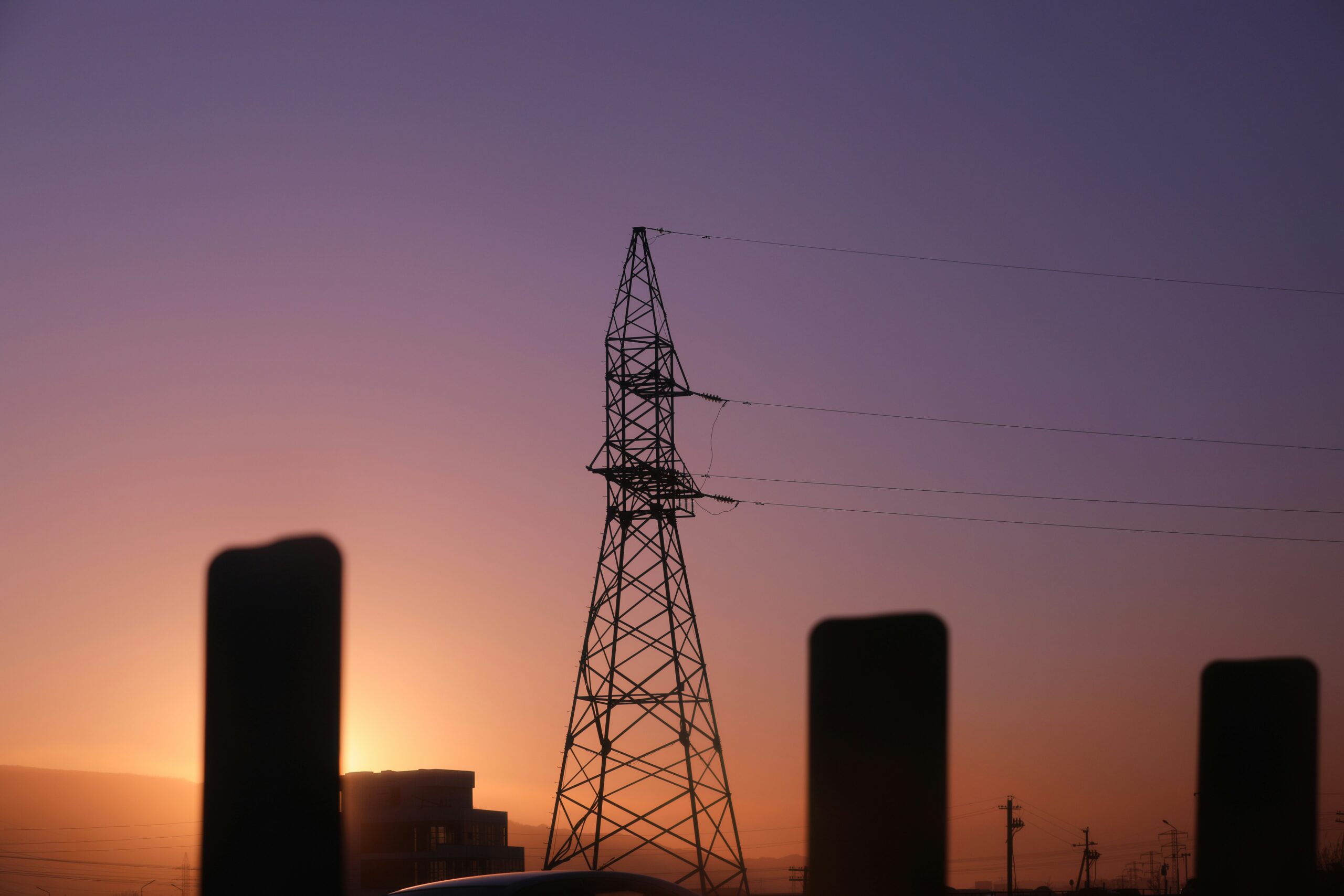
Flip a light switch, and the result is instantaneous. Yet behind that simple act is a system that must balance the supply and demand of electricity every millisecond of every day. Running the power grid requires constant coordination across utilities, grid operators, fuel suppliers, regulators, and market participants. Utilities expert Emily Sanford Fisher explained that the daily operation of the grid is as much about planning and preparation as it is about engineering.
What Is the Grid?
The power grid is the vast, interconnected network that moves electricity from where it is produced to where it is used. Power plants generate electricity from various energy sources, and that power travels over high-voltage transmission lines before reaching substations. Those substations then reduce the voltage and send it along local distribution lines to homes, businesses, hospitals, and factories.
Emily Sanford Fisher explains that, in practical terms, the grid includes everything from large generating facilities and towering transmission structures to the outlet in a living room wall. “The U.S. power grid has been called the largest machine in the world,” said Sanford Fisher. This makes sense when thousands of utility-scale power plants, as well as rooftop solar and other distributed resources, are connected by extensive transmission and distribution networks that operate as a coordinated system in large region of the country..
Balancing Daily Supply and Demand
In regions served by organized wholesale markets, grid operators work on a tightly structured forward timeline. Each day, they develop detailed forecasts of electricity demand for the following day, typically broken down hour by hour.
These forecasts incorporate multiple variables, including temperature and humidity projections, wind speeds, cloud cover, day-of-week patterns, historical load data, and large industrial loads such as data centers. Even small deviations in weather can materially shift expected demand, particularly during summer heat waves or winter cold snaps.
To meet fluctuations, operators rely on:
- Baseload generation that runs steadily
- Flexible resources that can ramp up or down quickly
- Transmission networks that move electricity across regions
Natural gas plants often provide flexibility because they can adjust output relatively quickly. Renewable resources such as wind and solar contribute growing shares of generation, while battery storage is increasingly used to smooth short-term imbalances. “Each different kind of generating facility plays a role in maintaining reliability, said Fisher. “Using a portfolio approach means that we can take advantage of the different characteristics of these generators, in terms of price and availability, to ensure that the system is reliable and affordable.”
Using that forecast, operators run a day-ahead market. Power suppliers representing natural gas, nuclear, coal, wind, solar, hydro, storage, and other resources submit bids indicating how much electricity they can provide and at what price for each hour of the next day. The market then clears by selecting the least-cost combination of resources capable of meeting projected demand while respecting transmission constraints, operational limits, and required reserve margins. “Unlike other bid-based markets, all resources are paid the market clearing price,” added Fisher. “This is a unique feature of wholesale electricity markets, designed to encourage power producers to build new supply when wholesale prices increase.”
The day-ahead process exists because electricity resources cannot be stored at scale on the grid. Large thermal plants may require hours, or even a full day, to ramp up and synchronize to the system. Fuel scheduling, staffing, and maintenance coordination also require lead time. Real-time markets then fine-tune supply and demand in five-minute intervals, ensuring frequency remains stable, and the system stays balanced. “While complex, this approach approach supports reliability,” said Sanford Fisher
Planning for Peak Demand
As Fisher notes, daily operations are only part of the picture. “Grid operators and utilities must also plan for peak demand conditions that may occur only a few hours each year. A reserve margin, basically a ‘buffer’ of excess power that can be accessed when needed, is maintained to ensure adequate capacity if a large power plant unexpectedly goes offline, demand exceeds forecasts, or some other event challenges the system’s ability to maintain supply and demand in balance.”
Demand growth from data centers, electric vehicles, and broader electrification is adding new complexity to electricity demand forecasts, both in terms of real-time operations and for planning purposes. Meeting that growth requires careful coordination between utilities, regulators, and large customers to ensure that infrastructure expansion, like buidlig new power plants and new transmission lines, keeps pace without compromising reliability.
Fuel, Logistics, and Real-Time Coordination
Keeping power plants running requires fuel supply chains to function smoothly. Natural gas must be delivered reliably through pipeline networks, while coal and nuclear facilities depend on steady deliveries of critical fuel supplies. Renewable resources add another layer of coordination. They have access to free fuel in the form of sunshine and wind, but system operators increasingly rely on precise weather forecasting to anticipate changes in wind and solar output.
Operational coordination also extends across state lines. Regional grid operators manage multi-state systems, directing power flows to prevent congestion and maintain overall stability. Advanced monitoring systems then track voltage, frequency, and equipment performance in real time. “Delivering power across broad geographies can seem like a challenge, but this actually supports reliability as it allows power to be moved from where it is generated to where it may be needed,” said Fisher.
The Human Element
Behind the technology is a vast network of skilled professionals whose work makes daily reliability possible. “These are the real heroes of reliability,” says Emily Sanford Fisher. Grid operators keep control rooms staffed around the clock, balancing supply and demand in real time, while lineworkers head out in difficult conditions to restore power after storms. Engineers study performance data, anticipate system stress points, and plan upgrades that strengthen long-term resilience. “During the pandemic, when most of us were able to work from home to protect our health, “these experts were onsite, ensuring we all had the power we needed,” continued Sanford Fisher.
At the same time, regulatory staff at state public utility commissions evaluate proposed investments to ensure they are prudent, necessary, and aligned with maintaining retail electricity prices that are just and reasonable. Together, this workforce operates within a structured regulatory framework focused on sustaining high reliability standards while protecting customers from large electricity bills.
A System That Must Perform Every Day
Most people think about the power grid only when the lights flicker or a storm knocks out service. On any ordinary weekday, however, the system carries enormous responsibility with little margin for error, and when failures do occur, the expectation for rapid restoration is immediate.
Modern life depends on the steady performance of power grids. Hospitals, airports, data centers, water systems, financial markets, and schools all rely on uninterrupted electricity. The power grid is supported by constant monitoring, contingency planning, infrastructure maintenance, and coordination across utilities and regulators. As Emily Sanford Fisher explains, “It is an immense, ongoing effort that most people rarely see, yet it underpins nearly every aspect of economic and civic life.”
Who Is Emily Sanford Fisher?
Emily Sanford Fisher leads Enodia Energy, helping utilities, regulators, and industry organizations navigate the evolving power system. Her career spans clean energy policy leadership, utility regulation, and electricity market strategy, including executive roles at SEPA and EEI. Admitted to practice law in Maryland and the District of Columbia, Emily Fisher teaches courses on energy and environmental law and the history and regulation of the grid.