5.3L Long Tube Headers Explained: Tube Size, Flange Design, and Power Trade-Offs

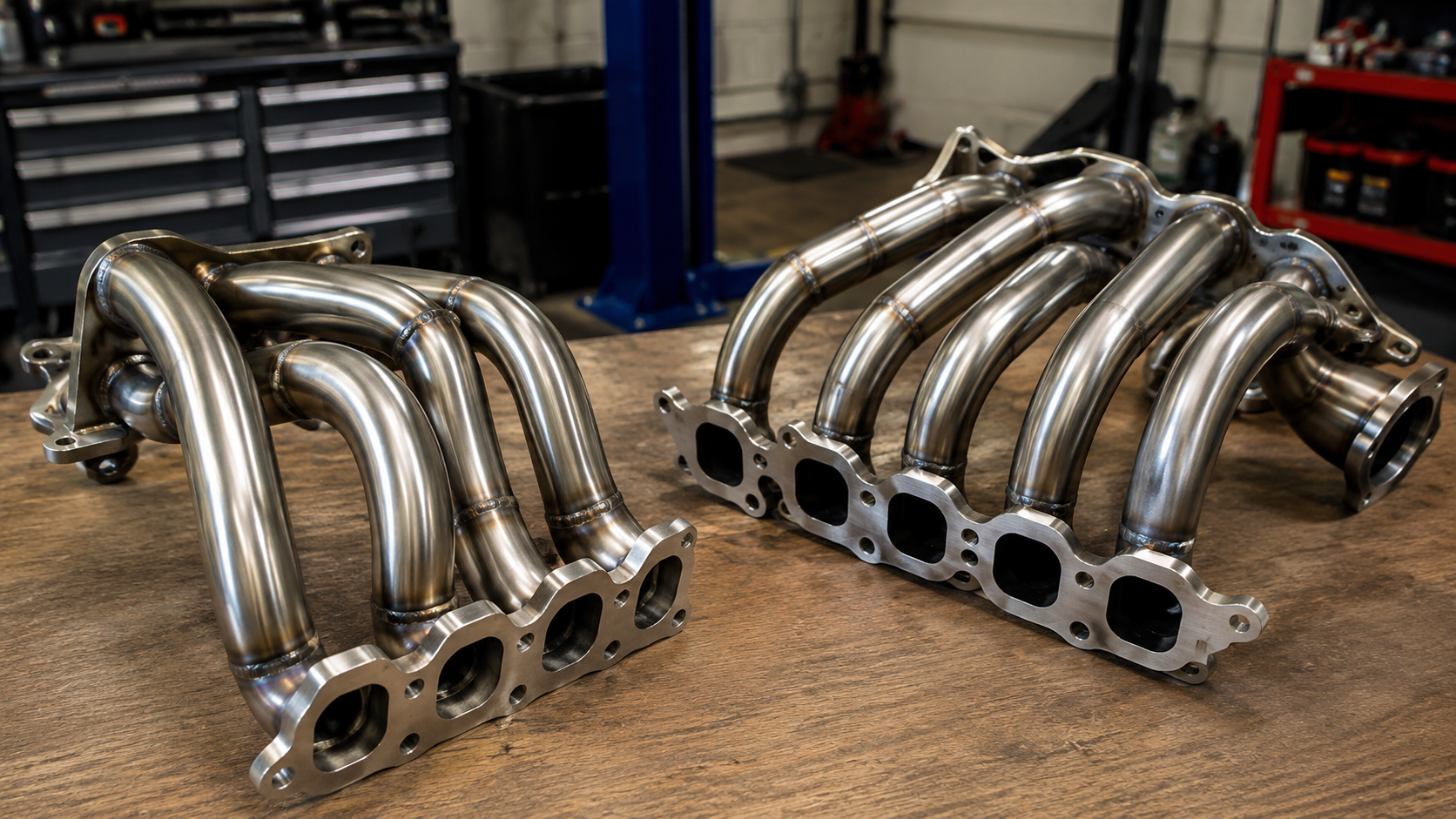
Anyone who has spent time around GM trucks knows the 5.3L responds incredibly well to exhaust upgrades. It does not matter whether it is sitting in a Silverado, Tahoe, Sierra, or swapped into an older project truck. Open up the airflow correctly, and the engine wakes up fast.
The problem is that the header market is flooded with confusing specs and exaggerated claims. One company says bigger tubes make more power. Another pushes oversized collectors. Then forums start arguing about scavenging theory, backpressure myths, and dyno sheets that rarely tell the full story.
After installing and tuning multiple LS based truck setups over the years, one thing becomes obvious pretty quickly: the “best” header depends entirely on how the truck is actually driven. A daily driven 5.3 towing a trailer wants something completely different than a cammed street truck spinning past 6,500 RPM on weekends.
That is where most buyers go wrong. They shop based on maximum horsepower numbers instead of usable performance.
Why the Factory 5.3 Exhaust Setup Leaves Power on the Table
GM did not design factory truck manifolds for performance enthusiasts. They were engineered for packaging, emissions compliance, manufacturing cost, and long term durability across hundreds of thousands of vehicles.
The stock manifolds are restrictive by nature. The runners are short, compact, and uneven compared to aftermarket performance headers. Once airflow demand increases from tuning, intake upgrades, camshaft changes, or higher RPM operation, those limitations start showing up quickly.
A properly designed set of long tube headers changes the way exhaust exits the engine entirely. Instead of dumping spent gases into cramped passages, the exhaust pulses travel through longer primary tubes that help pull gases from adjacent cylinders. That scavenging effect is where much of the real performance gain comes from.
You can feel the difference from the driver’s seat, especially in the midrange. The truck pulls harder through gear changes, throttle response sharpens up, and the engine feels less strained climbing through RPM.
Most naturally aspirated 5.3 trucks pick up somewhere in the range of 15 to 30 wheel horsepower with headers and proper tuning. Cammed setups often gain even more because increased valve overlap benefits heavily from improved scavenging.
What surprises many first time buyers is how much the torque curve changes. Peak horsepower numbers get attention online, but the stronger midrange is what actually transforms the truck on the street.
Passing power improves noticeably. Highway acceleration feels cleaner. Even moderate throttle input becomes more responsive.
Then there is the sound.
A 5.3 with long tubes has a completely different personality compared to the stock exhaust system. The engine develops a deeper, sharper tone without the muffled character factory manifolds create. Pair it with the right exhaust combination, and the truck gets that aggressive LS sound enthusiasts chase without sounding harsh or excessively raspy.
Tube Size Is Where Most People Make the Wrong Choice
One of the biggest misconceptions in the truck performance world is that larger primary tubes automatically equal more power.
That is not how exhaust velocity works.
Primary tube diameter directly affects how quickly exhaust gases move through the system. Smaller tubes maintain higher gas velocity, which helps preserve low end torque and throttle response. Larger tubes increase flow capacity but can slow exhaust velocity enough to hurt drivability on mild builds.
That trade off matters more on trucks than many people realize because trucks spend most of their lives below 4,500 RPM.
For a mostly stock or lightly modified 5.3, 1 3/4 inch primaries are usually the sweet spot. They support solid horsepower gains while maintaining the strong low and midrange torque that makes these trucks enjoyable to drive daily.
This is especially true for heavier crew cab trucks, towing setups, and street driven SUVs. Keeping exhaust velocity up helps maintain that crisp throttle response when pulling weight or accelerating from lower RPM.
On the other hand, 1 7/8 inch headers start making more sense once airflow demand increases significantly. Camshaft upgrades, ported heads, higher compression, boost, or high RPM operation all benefit from the added flow capacity.
Still, oversized headers on a near stock engine can actually make the truck feel softer down low. Plenty of owners spend good money on huge primary tubes only to realize the truck lost some of the punch they liked during normal driving.
That is why experienced tuners usually match the header size to the engine combination instead of chasing the biggest spec sheet.
The collector matters too.
A larger 3 inch collector can help high horsepower combinations move exhaust volume efficiently, but not every truck needs one. Smaller collector designs sometimes maintain better velocity and improve overall drivability on moderate builds.
Well designed 5.3 long tube headers balance tube size, collector dimensions, and fitment around the intended power range instead of simply maximizing pipe diameter.
Real world performance always comes down to combination matching.
A cammed single cab street truck running drag radials has very different airflow needs than a Tahoe hauling camping gear every weekend.
Flange Quality Separates Good Headers From Headaches
Most buyers obsess over horsepower claims but overlook the part that often determines whether the headers stay enjoyable six months later: flange quality.
Cheap headers almost always reveal themselves eventually through leaks.
Thin flanges warp after repeated heat cycles. Once that happens, gasket sealing becomes inconsistent and the infamous ticking noise starts showing up during cold starts. Many truck owners mistake it for valvetrain noise at first.
Thicker laser cut flanges resist distortion much better under heat stress. The difference becomes even more noticeable on trucks that tow regularly or spend long periods under load.
Weld quality matters just as much.
Poor weld penetration may survive normal commuting for a while, but vibration and thermal expansion eventually expose weak spots. Cracks often form near collectors or tight bends where stress concentrates over time.
That is one reason stainless headers generally hold up better long term. Besides improved corrosion resistance, quality stainless systems tend to tolerate heat cycling more effectively than cheap painted mild steel headers.
Fitment accuracy is another overlooked factor.
Poorly aligned ports create turbulence right at the cylinder head exit point. That disrupts flow before the exhaust even enters the primary tubes. High quality headers usually maintain cleaner transitions and more consistent port alignment.
Experienced installers know this immediately during installation. Cheap headers often require fighting bolt holes, adjusting steering shaft clearance, or persuading the system into place with pry bars and frustration.
Good headers typically slide in with far fewer compromises.
That extra upfront cost often saves money later by reducing gasket failures, broken bolts, cracked welds, and repeated labor.
The Real Downsides Nobody Mentions Enough
Long tube headers absolutely improve performance, but they are not magic parts without compromises.
Ground clearance becomes an issue on certain setups, especially lowered trucks. Some header designs hang lower beneath the chassis than others, and poorly planned exhaust routing can turn speed bumps into expensive obstacles.
Heat is another reality owners underestimate.
Factory manifolds contain heat relatively well compared to thin wall aftermarket tubing. Once long tubes go in, engine bay temperatures increase noticeably. Spark plug wires, starter wiring, transmission lines, and nearby components all experience more thermal exposure.
That is why ceramic coatings are worth considering on many street builds. Besides helping control underhood temperatures, coated headers usually resist corrosion better and maintain appearance longer.
Tuning is also mandatory if you want the setup to perform correctly.
Bolting headers onto a 5.3 without recalibrating the ECU leaves performance on the table. Fuel trims, airflow modeling, ignition timing, and transmission behavior all benefit from tuning adjustments once exhaust flow changes significantly.
Many owners who claim headers “did not make much difference” are often running untuned combinations.
There are legal considerations too.
Some states enforce strict emissions rules involving catalytic converter placement and exhaust modifications. Certain long tube systems relocate catalysts far enough downstream to create inspection issues depending on local regulations.
Installation difficulty varies wildly depending on the chassis and drivetrain configuration. Two wheel drive trucks generally provide more room to work with than four wheel drive models. Rust belt trucks also turn header installs into a completely different experience compared to clean southern vehicles.
Anyone who has snapped exhaust manifold bolts on a high mileage GM truck knows exactly how quickly a weekend project can escalate.
Choosing the Right Headers for the Way You Actually Drive
The smartest header purchase is usually not the most aggressive option. It is the setup that best matches how the truck spends 90 percent of its time operating.
Daily driven trucks benefit from balanced combinations that preserve low end torque, maintain drivability, and minimize long term maintenance headaches. Moderate primary sizing paired with quality construction usually delivers the best overall experience.
Tow rigs especially need strong exhaust velocity down low. Huge primaries might look impressive online, but they often sacrifice the responsiveness that matters most when pulling weight uphill.
Performance builds are different.
Once a 5.3 starts running larger camshafts, higher RPM, upgraded cylinder heads, or forced induction, airflow demand increases dramatically. At that point, larger headers begin making practical sense instead of just sounding good in marketing material.
Budget also matters realistically.
Entry level headers can absolutely improve performance when combined with a proper tune. But premium systems generally offer better fitment, thicker flanges, stronger welds, and coatings that survive years of abuse instead of one winter season.
A mild bolt on Silverado targeting 350 wheel horsepower simply does not require the same exhaust setup as a turbocharged drag truck chasing four digit power numbers.
That distinction matters more than internet arguments about “best headers.”
Final Thoughts
The 5.3L platform rewards airflow upgrades better than almost any truck engine GM has ever produced, and long tube headers remain one of the most effective ways to unlock that potential.
But the best results come from understanding how the entire combination works together.
Tube diameter affects torque delivery. Collector sizing changes exhaust behavior. Flange quality determines long term reliability. Tuning ties everything together.
The trucks that feel best on the street are rarely the ones built around the biggest components. They are the setups where every part complements the engine’s actual operating range and intended use.
That is why experienced LS builders spend less time chasing oversized specs and more time building balanced combinations that work in the real world.