With eCommerce growing and soaring more than ever since the global pandemic began and people becoming increasingly used to ordering online, you might be interested in starting a food delivery service in 2023 or beyond.
If so, while it’s easier to do this than ever, there are still many considerations and many competitors to go up against, so you need to set yourself up for success as well as possible. Follow a few key steps to help make your new venture launch with a bang.
Learn About the Market You Want to Target
Before starting to sell food online, find out as much as you can about your potential audience. Who do you think will want to buy what you have to offer, and what is the size of that potential target market? Is it large enough to make your business viable?
What price points do these people like to buy at, how do they shop, and what is their family and work life like? What suburbs do they live in, and at what time of the day and week do they usually want to buy food online? Ensuring you have a large enough market to sell to and that you know about these people and what they might want will help you make your venture successful.
Get to Know Your Competitors
You also need to research your competitors. What other e-tailers sell food online to the market you want to target? What do these businesses sell, how do they market their wares, where do they sell (e.g., on their own websites or other platforms), what fees do they charge, and what types of processes do customers need to go through to get food delivered to their door from these organizations?
Look at the websites or platforms other food delivery services use and the content they provide, and the language they use. Read their Frequently Asked Questions, too, to learn about how long deliveries usually take, if there are extra charges to deliver food, and who their prime customers are. Again, the more information you have, the better you can tailor your offerings and boost your likelihood of getting a solid foothold in the market.
Ensure You Have a USP
Another way to help improve your chance of success is to ensure your business has a clear unique selling proposition (USP). This term refers to the point of difference your venture can have from your competition, and it’s much easier to determine your special niche when you’ve done all the research mentioned above.
Think about what you can offer that other firms don’t or who you might target that your competitors don’t currently attend to. You might allow people to buy a particular type of cuisine than is currently catered for or deliver to areas where not many other businesses or none at all will drop orders off. You might go after a specific type of buyer, such as vegans, coeliacs, or young mothers, or you might even focus on corporate food orders instead.
You might create a USP around the type of ordering platform you use or by creating branding and marketing that is like no other firms’ in the market. Alternatively, your point of difference could come from something your venture doesn’t do, like charging a certain type of fee, making customers wait ages for deliveries, or failing to respond quickly to customer service queries. No matter what your USP is, it should be something only you can offer and, therefore, something you can capitalize on that others can’t.
Take Packaging and Delivery Into Consideration
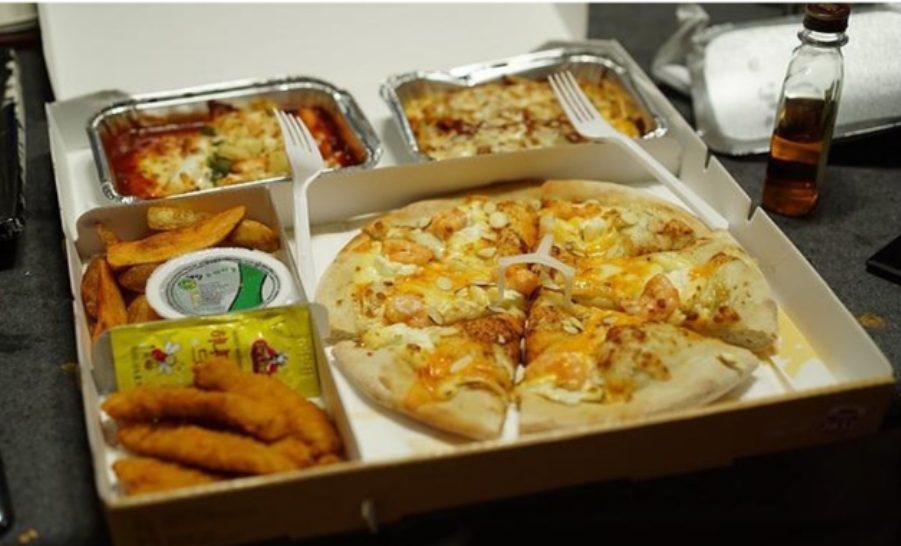
Of course, another critical element in creating a successful eCommerce food service is getting the packaging and delivery right. You want everything people order to arrive hot or cold, as needed, and not dinged, falling apart, spoiled, or otherwise damaged and inedible. You may need to invest in freeze indicators if you sell frozen items, refrigerated trucks, vans, bags or boxes, etc., too, or utilize temperature indicators and hot bags to keep warm food nice and toasty for your customers.
It’s also essential that your packaging shows off your branding clearly, to help with your marketing and that it’s easily portable and transferrable for delivery drivers and customers to handle.
Before you launch your eCommerce food service, you must also ensure you utilize a user-friendly sales platform, such as a website or food delivery app, get the necessary licenses or permits to operate, and market your venture effectively. Take all these steps, and you’ll have a much better chance of success.