
Why More People Are Ditching Multiple Banking Apps

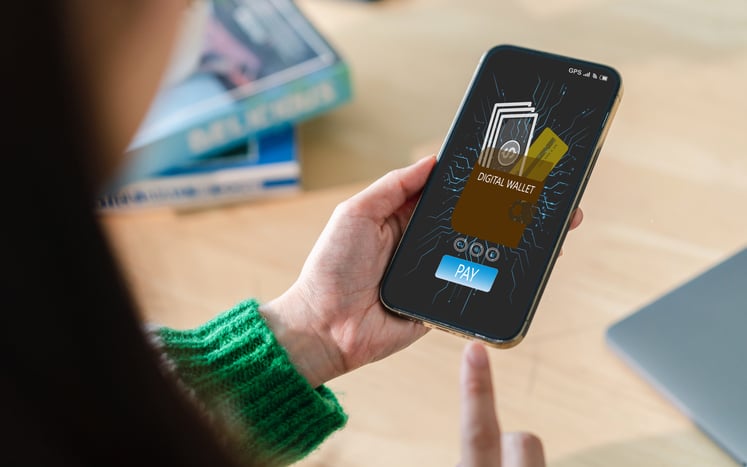
A few years ago, people needed several apps to handle their money. One for savings. One for spending. One for sending cash abroad. Another for crypto. It felt like a lot of extra work just to check a balance.
Now, things are different. A new type of app brings all these pieces together. It offers mobile banking, IBAN accounts, cards, SEPA transfers, and a crypto wallet, all in one spot. This means less clutter on your phone and less confusion in your daily life.
The Problem With Juggling Too Many Apps
Most people do not think about how many apps they use for money until they stop and count. A checking account here. A crypto exchange there. A separate app for international transfers. Each one asks for a password. Each one sends its own alerts. Over time, this becomes tiring.
Because of this scattered setup, mistakes happen more often. You might forget to check one account for weeks. You might miss a low balance warning because it came from an app you rarely open. As a result, staying on top of your finances gets harder than it should be.
One Login, One Clear Picture
This is exactly the gap that combined fintech platforms aim to fill. Instead of five apps, you get one. You log in once and see your full financial life. Your salary. Your spending. Your savings. Your crypto holdings. Everything sits together.
A good example of this shift is a crypto wallet with IBAN. This feature lets you hold euros and digital coins in the same account. You are not forced to move funds from a bank to an outside exchange just to buy or sell crypto. Instead, you handle it all from a single screen.
This setup brings a few clear advantages:
- Fewer passwords and logins to remember
- One place to track both spending and saving
- Quick switching between euros and digital coins
- A full view of your net worth at any time
Because everything lives in one place, checking your money becomes a quick task rather than a chore.
Real Banking, Not Just an App
It is worth pointing out that these platforms are not just wallets pretending to be banks. Many offer a real IBAN, which means you can receive your paycheck directly. You can also set up direct debits for bills, just like with a traditional bank.
In addition, opening an account usually takes only a few minutes. You do not need to book an appointment or visit a branch. Instead, you fill out a form on your phone, upload an ID, and you are ready to go.
This speed matters, especially for people who move often or work across borders. They need a bank account that keeps up with their lifestyle, not one that slows them down with paperwork.
Cards Built for Everyday Spending
Cards are another key piece of this setup. Most of these apps give users both virtual and physical cards. The virtual card is great for online shopping, since you can generate it instantly and use it right away. The physical card works everywhere else, from grocery stores to restaurants.
What makes this useful is the direct link to your full account. You do not top up a separate prepaid card. Instead, the card pulls straight from your main balance, whether that balance is in euros or converted from crypto.
Sending Money Across Europe Without the Wait
SEPA transfers are a big part of daily banking in Europe. People use them to pay rent, support family, or run a small business. Traditional banks can take a day or two to complete these transfers, and fees can add up quickly.
However, fintech platforms tend to move faster. Many process SEPA transfers within hours, sometimes even in minutes. On top of that, fees are often lower than what standard banks charge. This makes a real difference for people who send money regularly.
Since these transfers connect directly to your IBAN account, there is no need to involve a separate money transfer service. You send funds straight from the same app you use for daily spending.
Where Crypto Fits Into Daily Life
For a long time, crypto felt separate from everyday banking. People held coins on exchanges, far from their regular spending money. This created extra steps whenever someone wanted to use crypto for real purchases or convert it to cash.
A crypto wallet with IBAN changes that pattern. You can hold digital coins right next to your euro balance. When you need cash, you convert instantly within the same app. There is no waiting for a transfer between platforms and no extra fees for moving funds around.
This also helps with budgeting. You can see your crypto value and your euro balance side by side. That gives a clearer sense of your total financial picture, rather than guessing based on numbers spread across different services.
Staying Safe While Staying Simple
Combining so many features into one app might raise a fair concern about safety. Thankfully, most of these platforms invest heavily in security. Encryption, two-factor login, and constant account monitoring are standard features.
Furthermore, having your banking and crypto under one company often means better support. If something seems off, one support team can review your entire account instead of passing you between different services.
Still, users should also do their part. Strong passwords, careful link-clicking, and enabling extra security steps all help keep an account safe.
Who Gains the Most From This Model
Freelancers who work with clients abroad benefit from fast SEPA transfers and a reliable IBAN account. Frequent travelers enjoy using one card everywhere, without extra fees eating into their budget. Crypto users appreciate having a crypto wallet with IBAN so their digital coins sit close to their spending money, not locked away on a separate exchange.
Small business owners also find this setup helpful. They can pay suppliers, manage payroll, and hold some crypto as an investment, all without switching between five different logins.
The Bottom Line
Managing money should not feel like a part-time job. As more people search for simple solutions, combined fintech apps are stepping in to meet that need. Mobile banking, IBAN accounts, cards, SEPA transfers, and crypto wallets can now live under one roof.
This shift means fewer passwords, fewer apps, and a lot less mental effort spent tracking where your money sits. Whether you are paying bills, sending money across borders, or checking your crypto balance, everything stays within easy reach. For many people, that single change turns a stressful task into a simple daily habit.






Comment