
Bunion Pain? Here’s What Actually Works, From a UK Foot Specialist

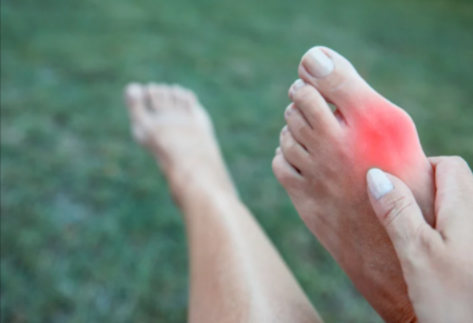
There is a moment most people with a bunion remember clearly: the day a favourite pair of shoes simply stopped fitting. What began as a slightly odd angle at the base of the big toe slowly turned into a firm, sometimes red, often aching bump, and suddenly every shoe shop trip came with a small dose of dread. If that sounds familiar, you are dealing with one of the most common foot complaints I see in clinic and, thankfully, one of the most manageable.
I am a consultant foot and ankle surgeon based in Staffordshire, with private clinics in Cheltenham and Bristol. Bunions are one of the conditions I treat most often and one of the most misunderstood. Most patients assume there are only two options, live with it or have it operated on, and that surgery must be avoided at all costs. Neither assumption is quite right. This guide sets out what a bunion actually is, what genuinely helps, when surgery becomes a sensible conversation, and how bunions connect to a couple of other common foot problems.
What this guide covers
- What a bunion actually is, and why it forms
- Conservative treatment for bunions that genuinely helps
- Injections, padding and other add-on options, assessed honestly
- When surgery becomes a real conversation
- What modern bunion surgery involves and realistic recovery timelines
- Related conditions: hammer toe and big toe arthritis
- Frequently asked questions
What a bunion actually is
A bunion, known medically as hallux valgus, is a gradual shift in the alignment of the big toe joint. The big toe drifts towards the smaller toes, and the joint at its base becomes progressively more prominent, eventually forming the firm bump most patients recognise. It is not, as many assume, simply extra bone growing where it shouldn’t; it is a structural change in how the joint sits.
Genetics play a far bigger role than most people expect. Narrow or tight footwear can accelerate an existing tendency, but it rarely causes a bunion on its own. Bunions are also more common in women, tend to run strongly in families, and often develop alongside flatter foot mechanics. Left alone, most bunions progress slowly over years rather than months, though the rate varies enormously between individuals.
Conservative treatment for bunions
For mild to moderate bunions, or for anyone not yet ready to consider surgery, a few measures are genuinely worth trying properly.
Wider, softer footwear with a roomy toe box reduces direct pressure on the joint and is, in my experience, the single most effective change most patients make.
Bunion pads and toe spacers cushion the joint and ease day-to-day irritation, particularly in tighter work shoes, though they do not change the underlying alignment.
Orthotics, properly assessed, can improve foot mechanics and slow progression, especially where a flatter arch is contributing to the joint drifting further out of line.
Toe stretches and simple strengthening exercises help maintain flexibility and, in milder cases, slow how quickly things progress.
Short courses of anti-inflammatories settle a painful flare but treat the symptom rather than the deformity, and I never recommend them as a long-term plan.
None of these measures reverse a bunion once formed, but done consistently, they delay progression and keep people comfortable, which for many patients is genuinely enough.
When surgery becomes a real conversation
Surgery becomes a sensible option when several things line up together:
- Pain is genuinely limiting daily life, work or exercise, not just occasional discomfort
- Footwear choices have become severely restricted despite trying wider, softer options
- Conservative measures have been tried properly and have stopped making a meaningful difference
- The patient understands the realistic recovery and wants to proceed
Bunions that are purely cosmetic, with no significant pain or functional limitation, rarely need an operation. I am cautious about operating on appearance alone; the goal of surgery is comfort and function, not a “”perfect”-looking foot.
Modern bunion surgery and recovery
Bunion surgery has moved on considerably from the older, more invasive approaches many patients still picture. Many procedures today use smaller incisions, involve less soft tissue disruption, and allow a quicker return to normal footwear than expected. The exact procedure depends on the severity of the deformity, the joint angle, and the patient’s own goals, whether that is pain-free walking, a return to running, or simply fitting comfortably into everyday shoes again.
Typical recovery follows a broadly predictable path: a protective shoe for two to four weeks, a gradual transition into wider trainers over the following month, and continued improvement in swelling and comfort over three to six months.
Related foot conditions worth knowing about
Bunions rarely exist in isolation. As the big toe drifts, it can crowd the smaller toes, which is one reason some patients eventually need treatment for hammer toe alongside their bunion care. Similarly, long-standing changes at the joint can lead to stiffness and wear within the joint surface, which is where a new treatment for big toe arthritis sometimes comes into the conversation, particularly when pain sits more within the joint than at the visible bump. A thorough assessment always looks at the whole foot, not just the obvious lump.
Choosing the right specialist care
Bunions are deceptively common, and that familiarity sometimes leads people to assume the treatment is equally straightforward. In reality, matching the right treatment to the specific pattern of someone’s foot makes a genuine difference to the outcome. Mr Pavel Akimau brings a thorough, experience-led approach to exactly that kind of assessment, taking the time to understand each patient’s foot, goals and concerns before recommending a path forward, rather than offering a standard checklist. It is this attention to the individual that keeps patients returning and recommending the practice to others.
Frequently Asked Questions
Can a bunion be corrected without surgery?
Conservative measures ease symptoms and can slow progression, but only surgery realigns the joint itself.
Do bunions get worse if left untreated?
Generally, yes, though the pace varies widely. Some stay mild for years; others progress more noticeably.
What is the best footwear for bunions?
Shoes with a wide, deep toe box and soft upper significantly reduce joint pressure compared with narrow or pointed styles.
Is bunion surgery painful?
There is some discomfort during recovery, but modern techniques and good pain management make this far more manageable than many expect.
How long is recovery after bunion surgery?
Most patients return to normal, supportive shoes within six to eight weeks, with continued improvement over several months.







Comment