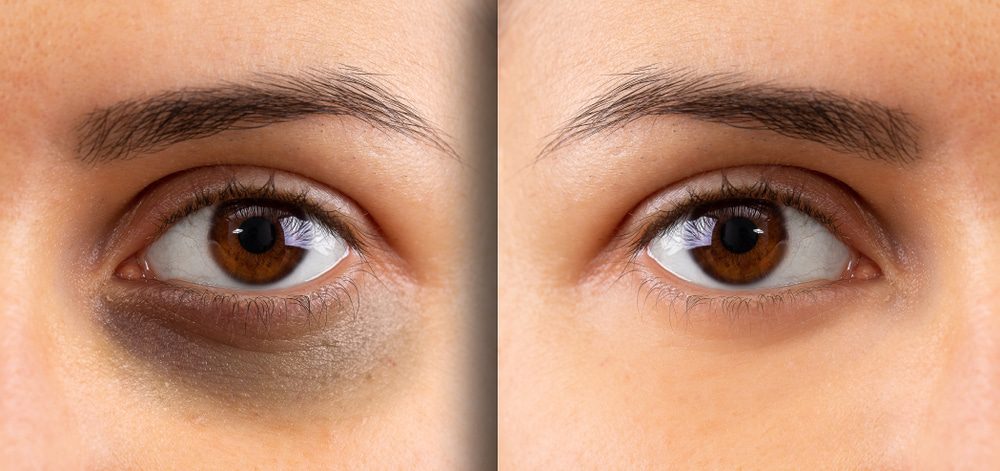
Dark circles and under-eye hollows are some of the most searched—and most misunderstood—concerns in aesthetics. Part of the frustration is that “dark circles” can mean different things: pigmentation, shadowing from hollowness, thin skin with visible vessels, puffiness, or a mix of several factors. That’s why one person swears by a cream while another sees zero change.
This guide breaks down nine common causes and what actually helps for each type, from skincare and lifestyle changes to clinic treatments (including when filler or surgery may be the better option).
Important note: This is general information, not personal medical advice. The safest plan comes from an in-person assessment, especially near the eyes.
Step 1: Identify your “type” (the quick mirror test)
- Do circles look worse under overhead lighting? That often points to shadowing/hollows.
- Is the color brownish? More likely pigmentation.
- Is it blue/purple? Often thin skin + visible vessels.
- Do you wake up puffy and improve midday? Often fluid retention/puffiness.
- Do you have both darkness and a deep groove? Commonly a mixed cause.
Many people have two or three causes at once—so a combined approach is often best.
9 common causes of under-eye darkness and hollows
1) Genetics and facial structure
Some people naturally have deeper tear troughs, less midface support, or a more prominent under-eye groove. If you’ve had circles since childhood, genetics plays a big role.
What helps: structural solutions (in the right candidates), plus skin-quality support.
2) Tear trough hollowing (volume loss)
This is the classic “hollow” under-eye groove that creates a shadow, making the area look darker even if the skin pigment is normal. It can become more noticeable with age or weight loss.
Best options (depending on anatomy):
- Conservative hyaluronic acid filler in selected candidates by a highly experienced injector
- Midface/cheek support (sometimes treating the cheek first reduces under-eye shadowing)
- Surgical options (for significant hollows or laxity): lower blepharoplasty with fat repositioning in selected cases
What to avoid: “More filler” as a default. Under-eyes can look puffy quickly if overfilled or if you’re not a good candidate.
3) Thin under-eye skin + visible blood vessels
The under-eye area has very thin skin. If vessels show through, circles may look bluish/purple, especially when tired or dehydrated.
What helps:
- Sleep and hydration (won’t cure it, but can reduce intensity)
- Topical retinoids (gentle, low-strength) to support collagen if tolerated
- Clinic treatments aimed at skin quality (chosen carefully for eye safety)
4) Pigmentation (brown/gray tone)
Pigment-related circles may be from genetics, sun exposure, irritation (like rubbing), or post-inflammatory pigmentation—especially in deeper skin tones.
What helps:
- Daily sunscreen around the eyes (careful placement)
- Pigment-targeting topicals (selected and eye-safe)
- In-clinic pigment treatments chosen for your skin type
Caution: aggressive treatments can backfire and worsen pigment in some skin types.
5) Puffy under-eyes (fluid or fat pads)
Some people wake up with swelling that improves later; others develop more permanent “bags” from protruding fat pads with age.
What helps (by cause):
- For fluid retention: sleep position, salt/alcohol timing, managing allergies
- For true fat pads/structural bags: lower blepharoplasty is often the most definitive solution
Creams can temporarily de-puff, but they won’t remove true fat pads.
6) Allergies and chronic nasal congestion
Allergies can cause under-eye darkness via inflammation and congestion, sometimes called “allergic shiners.” Rubbing also worsens pigment and skin irritation.
What helps:
- Controlling allergies with clinician-guided strategies
- Avoiding eye rubbing (hard but important)
- Cool compresses during flare-ups
7) Eczema, irritation, and rubbing (inflammation)
Frequent rubbing or dermatitis around the eyes can lead to redness, thickening, and post-inflammatory pigmentation.
What helps:
- Identify irritants (fragrance, certain actives, harsh makeup removal)
- Barrier repair, gentle routines
- Medical treatment when dermatitis is present
8) Lifestyle factors: sleep debt, dehydration, alcohol, smoking
These don’t “cause” everyone’s circles, but they can amplify them by worsening vascular visibility, fluid retention, and skin quality.
What helps:
- Consistent sleep timing
- Hydration and nutrition
- Reducing alcohol close to bedtime
- Smoking cessation support (for overall health and skin)
9) Age-related changes (skin laxity + midface descent)
As we age, cheek support can shift and the under-eye area can look more hollow or shadowed. This is structural—not just “tiredness.”
What helps:
- Midface support strategies (non-surgical or surgical, depending on degree)
- Lower blepharoplasty in selected cases
- Skin-quality treatments for crepiness
Best treatments by “type” (quick guide)
If it’s mostly shadow/hollow
- Consider cheek support + conservative tear trough approach
- Surgical consult if the groove is significant or skin is lax
If it’s mostly blue/purple
- Skin quality + lifestyle support
- Be cautious with aggressive procedures
If it’s mostly brown
- Sunscreen + pigment strategy
- Choose treatments carefully to avoid rebound pigmentation
If it’s mostly puffiness
- Allergy/sleep-position changes for fluid
- Surgical evaluation for true lower lid bags
The under-eye “do not rush” list
Under-eye treatments can go wrong when done quickly or by underqualified providers. Be cautious if you hear:
- “We’ll just put a lot of filler in the trough.”
- “No risk, no downtime, guaranteed.”
- “Everyone needs the same approach.”
The under-eye area demands advanced anatomy knowledge and conservative planning.
Choosing a provider: questions that protect you
Ask:
- “What do you think is the main cause in my case—shadow, pigment, vessels, puffiness, or mixed?”
- “Am I a good candidate for under-eye filler, or is surgery more appropriate?”
- “What complications are you prepared to manage?”
- “Can I see results in patients with a similar under-eye anatomy and skin type?”
The bottom line
Under-eye hollows and dark circles aren’t one problem, so they don’t have one miracle fix. The best results come from identifying the cause—shadowing, pigment, thin skin, puffiness, or mixed—and matching treatment to that type. For some, skincare and lifestyle changes help modestly. For structural hollows or true under-eye bags, clinic treatments or surgery may provide the most meaningful improvement.