Are you starting an E-commerce store or trying to get a loan for your e-commerce empire? If so, you need to learn how to write a good business plan. Most people think that business plans should only be written for ‘real world’ businesses and not for online stores. However, in order to have a successful business career, you must build it on a very strong foundation. And that is where a good business plan comes in hand.
A business plan is a document that defines your business goals and how to achieve these goals. It also provides an opportunity for entrepreneurs to analyze and outline specific aspects of their business.
Most banks and other financial service providers will call for you to submit a detailed business plan in order to get a loan or obtain funding for your business. If your business is starting out, use the business plan to identify the strengths and weaknesses of your business and outline your vision. You can also use it to create a development strategy, raise capital or reduce risks. Make sure that you remain objective when writing your business plan so that you can identify and work out challenges on paper before they affect your business allowing your business to succeed.
If you are having trouble with your business plan, you could follow these 5 simple steps to writing a business plan:
1. Choose the Right Business Plan Format
There are two formats in which you can write your business plan according to the United States Small Business Administration. The first one is the traditional format which is used by entrepreneurs who are looking for funding for their business or for official purposes. It is comprehensive as it involves every aspect of your business and takes time to write. If you are detailed oriented, the traditional format is the best choice for you. You do not necessarily have to stick the plan outline, just use the sections that are applicable to your business and needs.
The second one is the lean startup business plan which is for entrepreneurs who want to create a one-page plan. Lean startup plans focus on summarizing the key aspects of your plan. This kind of format uses a few elements to describe the business’s value, customers, finances and infrastructure.
You can choose either format according to your needs. Be sure to check with your bank the kind of format that you need to follow especially if your business is outside the United States.
2. Figure Out Your Business Model
Figure out your business model and develop a framework of it.
It is important to first figure out your business model and develop a framework for it. After analyzing the various sections of the business plan and conducting an extensive research, make a few changes here and there until your business model is perfect.
There are things that you need to consider before coming up with a business model. These include:
-
The products that you intend to sell. Are they physical such as shoes or clothing, are they digital products like eBooks or software or are you selling services such as home cleaning or interior design services?
-
Who is your audience? Are you selling your products to organizations or corporations, are you selling them directly to consumers, or are you acting as a middleman and bringing both the customers and corporations to one website?
-
How are you making your products? Are you making them in-house, through a third party manufacturer, through a dropship manufacturer or do you buy your products from wholesales and resell them on your site?
These will help you choose the correct business model.
3) Market Analysis
Identify existing competition and the industry outlook
For you to be a successful online entrepreneur, you have to understand the industry in which you are working in. Conduct a market research for your e-commerce business to identify existing competition and the industry outlook. Make a note of the marketing strategies that your main competitors use, their annual sales and consider how you will distinguish yourself from them and stand out.
You can use resources such as:
-
Industry reports from Google.
-
US Embassy websites which provide links to economic reports and trade events for particular regions.
-
IBIS World which provides industry and procurement research reports for the US, the UK, New Zealand and Australia.
-
Statista which offers statistics and reports on the consumer market, country reports, outlook reports and market studies.
-
Social Media Platforms such as Facebook Audience Insight to determine the size of your target market.
-
Google trends to allow you to view how often the product you are selling is searched.
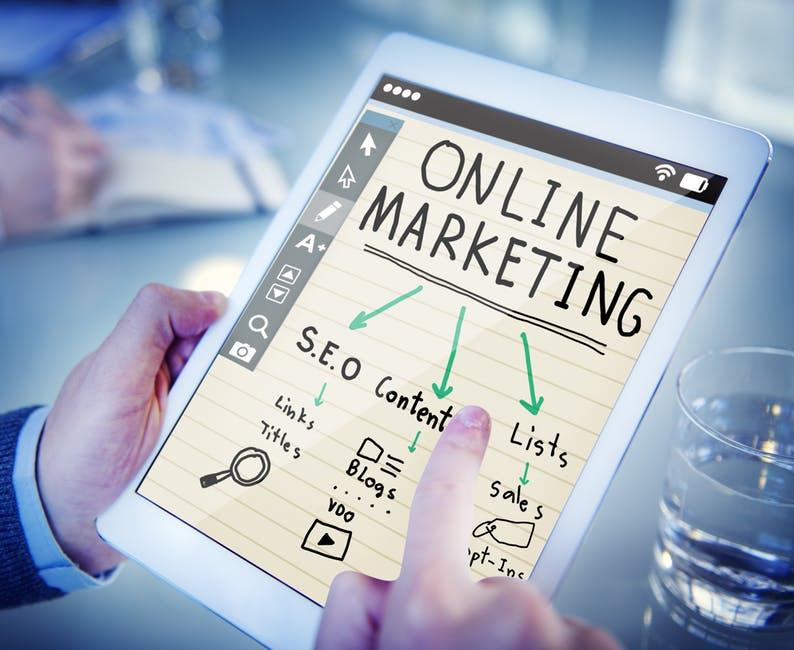
These sites allow you to have a good sense of how the market looks like, how much growth it gets and the profit your products can bring you. Be sure to include this research on your business plan since your target audience will want to know whether you understand how the market works.
4. Marketing and Sales
After you identify a profitable target market for your e-commerce business, it is important to then determine your sales and marketing strategies. In this section, you will explain how you plan on reaching your target audience with your business and how you will sell your products. You will also include the advertising and marketing strategies that you plan on using to reach your customers. This can include social media marketing, advertising channels, content marketing, email marketing, paid marketing and search marketing. You can also include a plan on how to convert your audience into customers and how you will retain them.
Finding the right advertising tools totally depends on your product and your customer segment. It is crucial to understand the demographics of your target audience in order to adopt the right tone of communication and avoid the hit and miss marketing method.
5. Financial Management
Demonstrate that your projected revenue will lead to a return
This section is used to predict sales, expenses and the net income of your business. Create an excel spreadsheet showing:
-
The projected revenue. This is calculated by multiplying the number of units sold by the average sales price.
-
Fixed expenses which include employee salaries.
-
Variable expenses. These are directly proportional to how much products you sell and include the cost of goods and processing fees.
-
Cash flow statements.
-
Expenditure budgets.
-
Balance sheets.
-
Income statements.
These will help you demonstrate that your projected revenue will lead to a return. It is an important step that should not be skipped especially if you are looking for funding or planning for the future of your business.
Proper planning is essential if you want to get your e-commerce business up and running and ensure its success. Writing a business plan will help you understand your business and your market more. It will also help you identify lucrative opportunities and take advantage of them.
Have you written a business plan for your e-commerce business? If not, take time to write one while the five simple steps highlighted in this article.
Author Bio: Christina Battons is a web content expert from LA. Creative writer who is able to connect various thoughts into a single theme. Christina loves to stay up to date on the latest content marketing trends. And her works have been published on EssayWriterSite and other business resources. Connect with Christina on Twitter.