
7 Tips for Being Safe on a Construction Site

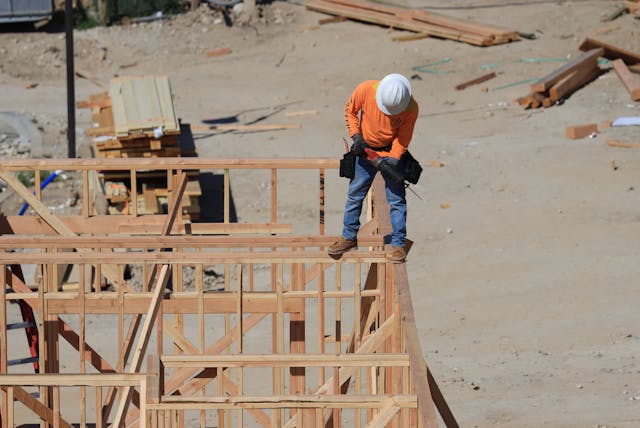
Construction sites are just naturally dangerous environments. The reality is that everyone who steps onto an active site needs to respect the conditions. It doesn’t matter if you’re a seasoned worker, a project manager doing a walkthrough, or a subcontractor visiting for the first time. The hazards are real, and they constantly change.
Falls, struck-by incidents, electrocution, and caught-between accidents account for the majority of construction fatalities every year. Those are the big four that OSHA tracks, and they show up on sites of every size. But the day-to-day risks go well beyond those categories, which is why you need to be prepared and aware.
Here are a few practices that keep people safer on active construction sites.
- Wear the Right Personal Protective Equipment
PPE is the most basic layer of protection on a construction site. It also happens to be one of the most commonly compromised. (Which usually comes down to complacency, if we’re being honest.) Hard hats, safety glasses, steel-toed or composite-toed boots, high-visibility vests, and gloves have to be the baseline for most sites. Depending on the work being performed, you might need to stretch that list to include hearing protection, respiratory protection, and fall protection equipment.
The specifics depend on the site and the activity. For example, a concrete pour has different PPE requirements than electrical rough-in work. And a demolition site needs different protection than a home building site that’s in the framing stage. Know what’s required before you arrive, and don’t assume that what you wore on the last site is sufficient for this one.
It’s worth noting that PPE only works when it fits properly and is in good condition. A hard hat with a cracked shell or boots with worn-out soles aren’t protecting you as they should. Inspect your equipment before each use and replace anything that’s compromised.
- Know the Site Before You Walk It
Walking onto an active construction site without understanding the current conditions is one of the most common ways people get hurt. Sites change daily, which means you have to always be cognizant of your surroundings.
Before you walk a construction site, find out what work is happening that day and where. Talk to the site superintendent or the foreman and ask where the active hazard zones are. You should identify the location of overhead work, crane operations, heavy equipment movement, and any areas that are restricted or require additional precautions.
If the site has a safety orientation or a daily briefing, attend it. These briefings exist to communicate exactly the kind of information that keeps people from walking into a hazard they didn’t know was there.
- Watch Where You Step
This sounds almost too simple to include, but it accounts for a large number of construction site injuries. The ground on an active construction site is rarely clean or predictable. Things like debris, extension cords, hoses, and uneven surfaces are all common trip and fall hazards.
Make sure you’re always looking down. Pick a path and scan it before you commit to walking it. If something is in the way, go around it rather than stepping over it.
- Stay Aware of What’s Happening Above You
On multi-story projects or sites with overhead work of any kind, what’s happening above your head is as important as what’s happening at ground level. Any number of things can happen, including tools getting dropped or materials falling from scaffolding. In fact, many of the most deadly and dangerous construction accidents happen when something falls and hits someone in the head.
While hard hats can protect you from small items, they don’t protect you from a wrench falling 40 feet or a piece of lumber sliding off a scaffold platform. The primary protection is awareness and avoidance. Know where overhead work is happening and stay clear of those zones, unless you have specific reason for being there.
- Respect the Equipment
Heavy equipment on a construction site can be deadly. Machines like excavators, loaders, forklifts, cranes, and dump trucks all have very limited visibility and long stopping distances. They aren’t equipped to move out of the way of a person.
The general rule is that if you don’t have eye contact with the operator, assume they don’t know you’re there. Stay outside the swing radius of excavators and cranes and never walk behind equipment that’s operating or idling.
- Report Hazards
Construction sites are constantly developing new hazards as work progresses. That’s why the culture on a job site matters so much. Everyone has to be committed to reporting hazards and speaking openly about them. After all, silence is where serious injuries are most likely to happen. If you see something that doesn’t look right, say something. And if you’re in a position of authority on the site, be sure to create an environment where everyone feels comfortable doing the same.
-
Don’t Rush
One of the most overlooked risks on a construction site isn’t a specific hazard—it’s the pressure to move quickly. Deadlines, inspections, and coordination between trades can create an environment where people feel like they need to hurry. That’s when mistakes start to stack up.
Rushing leads to skipped steps, missed hazards, and poor decisions. It’s how someone ends up walking through an active work zone without checking, using equipment improperly, or ignoring PPE requirements “just for a minute.” Those small shortcuts are often what lead to serious injuries.
If you feel pressure to move faster than what feels safe, that’s a signal to slow down—not speed up. Take the extra few seconds to check your surroundings, confirm where you’re going, and make sure you’re following site protocols. Construction work is one area where being efficient is good—but being careful is non-negotiable.
Staying Safe on Site
Construction sites will always carry risk. But the difference between a site that operates safely and one that sends people to the hospital comes down to clear communication and plenty of discipline. When you get the basics right, everything downstream is much safer.







Comment