
Why More Importers Are Turning to China Sourcing Agents in 2026

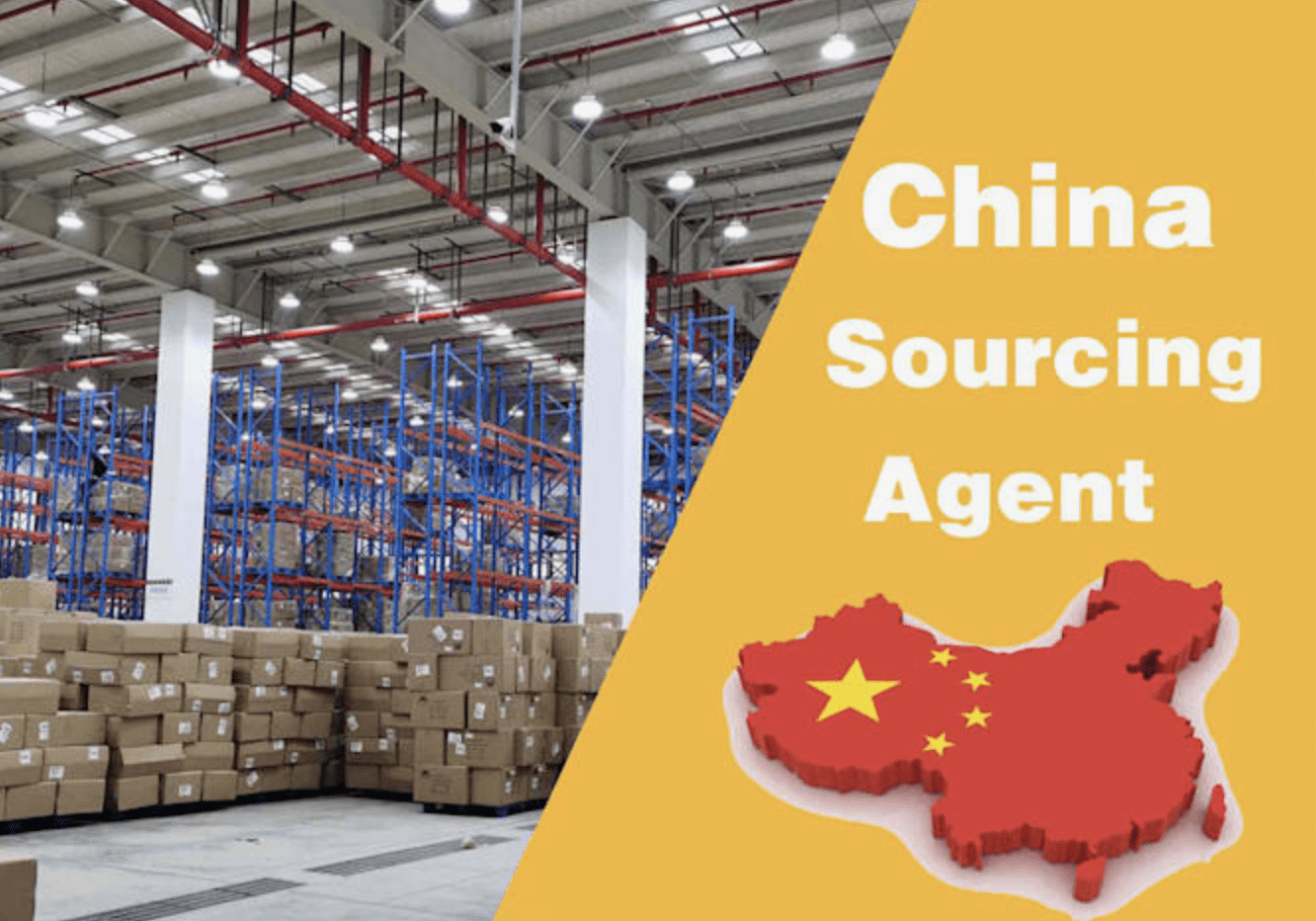
Global supply chains are undergoing rapid transformation as importers face rising costs, shifting demand patterns, and increasing operational complexity. From logistics disruptions to quality inconsistencies, businesses—especially small and mid-sized importers—are rethinking how they source products efficiently and reliably.
In response, a growing number of companies are turning to China sourcing agents to streamline procurement and reduce risk in an increasingly uncertain market.
Supply Chain Pressures Reshaping Import Decisions
Over the past few years, global trade has been influenced by fluctuating shipping costs, supplier instability, and evolving compliance requirements. Importers are no longer focused solely on finding the lowest price. Instead, they are prioritizing reliability, speed, and consistency.
For many businesses, managing overseas suppliers directly has become more challenging. Time zone differences, language barriers, and limited visibility into production processes can lead to delays and costly errors. These challenges have encouraged importers to seek more structured sourcing solutions.
The Growing Role of China Sourcing Agents
China remains one of the world’s largest manufacturing hubs, offering a wide range of products across industries. However, navigating its supplier ecosystem requires local knowledge and experience. This is where sourcing agents play an increasingly important role.
China sourcing agents typically support importers by:
- Identifying reliable factories and suppliers
- Negotiating pricing and production terms
- Conducting quality inspections before shipment
- Coordinating logistics and delivery timelines
By acting as intermediaries, these agents help bridge communication gaps and ensure smoother transactions between buyers and manufacturers.
Some service providers, such as Toptrade, offer end-to-end solutions that cover everything from supplier selection to final delivery, helping businesses manage sourcing with greater confidence and efficiency.
Why Demand Is Increasing Among Importers
Several factors are driving the growing reliance on sourcing agents:
- Cost control: Better supplier matching can reduce hidden costs and inefficiencies
- Risk reduction: On-site inspections and local oversight minimize quality issues
- Time efficiency: Delegating sourcing tasks allows businesses to focus on growth
- Market access: Agents provide access to supplier networks that are not easily found online
For example, many importers sourcing from hubs like Yiwu Market benefit from local expertise when navigating thousands of suppliers offering similar products. Without guidance, identifying the right partner can be time-consuming and uncertain.For businesses exploring sourcing opportunities in China, understanding how wholesale markets operate is becoming increasingly important.
What This Means for Small and Medium Businesses
The rise of sourcing agents is particularly significant for small and medium-sized enterprises (SMEs). These businesses often lack the resources to maintain on-the-ground teams in manufacturing regions, making it difficult to manage supplier relationships directly.
By working with experienced sourcing partners, SMEs can operate more competitively in global markets. They gain access to better suppliers, reduce operational risks, and improve overall supply chain efficiency without significantly increasing overhead costs.
Additionally, structured sourcing approaches—such as those outlined in guides like this overview of the Yiwu Market—help businesses better understand how to navigate large wholesale ecosystems and make informed purchasing decisions.
Looking Ahead: A More Structured Approach to Sourcing
As global trade continues to evolve, importers are moving away from ad hoc sourcing methods toward more structured and strategic approaches. The increasing adoption of China sourcing agents reflects a broader shift toward efficiency, transparency, and long-term planning.
Rather than simply focusing on price, businesses are now evaluating suppliers based on reliability, communication, and overall value. In this context, sourcing agents are becoming an integral part of the global supply chain ecosystem.
Industry Perspective
Industry observers note that the role of sourcing agents is evolving beyond simple supplier matching. Increasingly, they are becoming strategic partners who help businesses navigate regulatory requirements, optimize supply chains, and respond quickly to market changes. This shift reflects a broader trend toward more integrated and data-driven sourcing strategies.
Conclusion
The growing reliance on China sourcing agents highlights a fundamental change in how importers approach global procurement. Faced with rising complexity and uncertainty, businesses are prioritizing smarter, more reliable sourcing strategies.
By leveraging local expertise, improving supplier visibility, and adopting structured processes, importers are better positioned to navigate challenges and seize new opportunities in international trade.







Comment