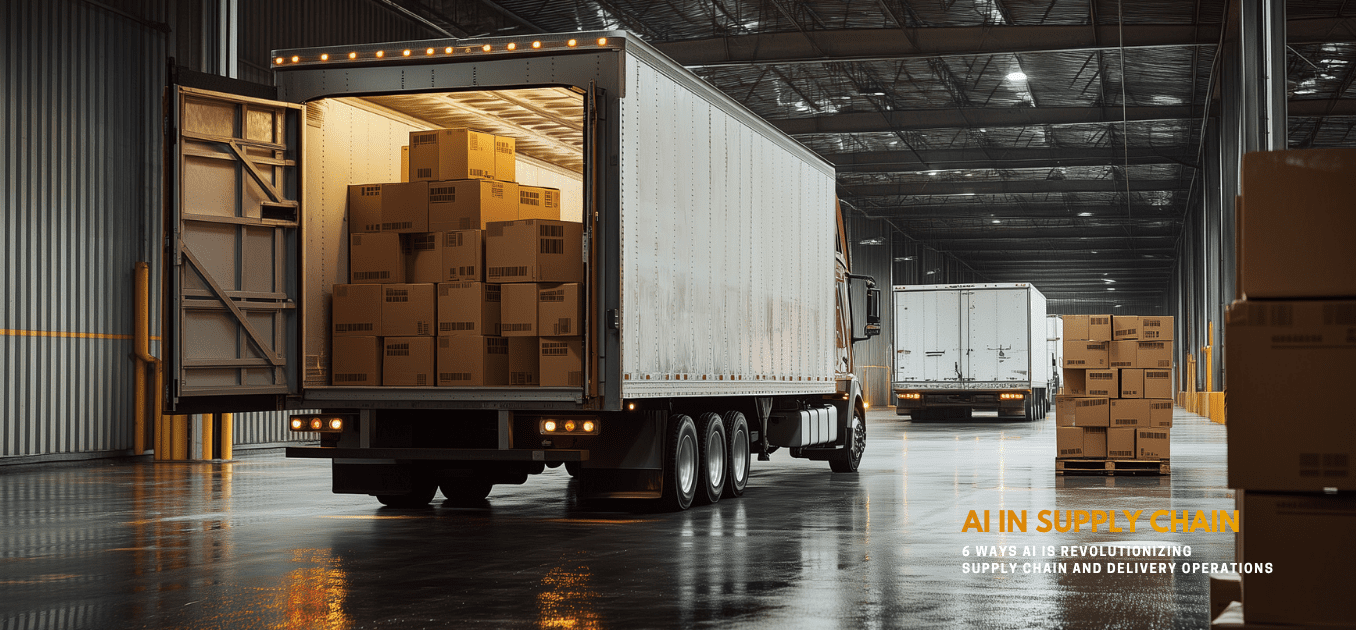
Artificial intelligence is reshaping supply chains into faster, more adaptive systems that respond to real-world conditions in real time. What used to rely on static planning and manual coordination now runs on continuous data analysis, machine learning models and automation.
For tech enthusiasts, the transformation stands out because it connects digital intelligence with physical operations — warehouses, fleets and global logistics networks all working in sync. Instead of simply improving efficiency, AI is redefining how supply chains operate from end to end. Below are six key ways AI is making that happen.
1) Real-Time Logistics and Route Optimization
AI is taking route optimization a step further by combining real-time traffic monitoring with predictive analytics. Instead of reacting to congestion, these systems anticipate delays by analyzing live traffic data, historical patterns and external factors like weather. This allows delivery routes to adjust dynamically, improving travel time accuracy and overall efficiency.
Across Europe, AI-powered transportation systems are already reducing congestion, emissions and safety risks. Initiatives such as Italy’s smart road programs show how integrating AI into infrastructure can create more responsive, connected logistics networks, leading to faster deliveries and more reliable operations.
2) Intelligent Inventory and Warehouse Operations
Inventory management becomes far more dynamic with AI in the mix. Instead of fixed reorder points, systems continuously adjust stock levels based on demand variability, supplier reliability and lead times.
Inside warehouses, AI powers robotics and computer vision systems that handle picking, packing and sorting. These systems identify products instantly and execute repetitive tasks with high precision, increasing both speed and accuracy. The real advantage comes from coordination. AI connects inventory data with warehouse activity, ensuring the right products are stored in optimal locations and moved efficiently through the system.
3) Smarter Demand Forecasting and Planning
Demand forecasting is a core challenge in supply chain management, especially as raw material shortages are expected to continue into 2026 and beyond, affecting steel, copper and other critical components. Traditional models often miss these sudden supply constraints. AI changes this by incorporating real-time signals such as supplier availability, regional events and market trends, helping companies anticipate disruptions and proactively adjust production and inventory.
Machine learning models continuously learn from new data, allowing forecasts to evolve rather than remain fixed. This leads to better alignment between supply and demand, reduces excess inventory, and helps companies maintain production even amid ongoing material shortages.
4) Autonomous and AI-Enhanced Last-Mile Delivery
The last mile is often the costliest and most complicated segment of the supply chain. In 2020, global parcel volumes surged 27% to more than 131 billion packages, while nearly half of consumers expect same-day delivery — 41% within 24 hours and 24% within just two. Traditional manual processes struggle to keep up with this pace, underscoring the importance of speed, accuracy and adaptability.
AI is transforming last-mile operations through autonomous vehicles, drones and delivery robots that navigate obstacles and make real-time routing decisions. At the same time, intelligent platforms optimize parcel operations, provide accurate delivery windows and send proactive updates. Together, these technologies reduce delays, improve efficiency and create a more transparent, responsive delivery experience.
5) Predictive Maintenance and Asset Optimization
AI transforms maintenance by combining data analytics, Internet of Things (IoT) sensors and anomaly detection into a single predictive system. These systems monitor equipment health, identify anomalies and generate insights that help maintenance teams plan work proactively rather than react to failures. This approach reduces downtime, improves reliability and extends the lifespan of critical assets.
Toyota’s Indiana assembly facility employs IBM’s Maximo Application Suite, a cloud-based solution for enterprise asset management. Using AI-driven predictive maintenance informed by IoT data, the plant achieved a 50% cut in downtime, 70% fewer breakdowns and 25% lower maintenance costs. These outcomes highlight the tangible benefits predictive systems offer in optimizing complex supply chains.
6) Supply Chain Visibility and Risk Management
Modern supply chains span countries and continents, making it difficult for companies to maintain a clear picture of operations. AI helps by consolidating data from GPS tracking, enterprise systems and supplier networks into a unified, real-time view. This allows organizations to monitor shipments at every stage and act quickly when delays or disruptions occur.
Beyond visibility, AI enhances risk management by analyzing diverse data sources, including financial reports, news feeds and geopolitical trends. It can identify potential suppliers or operational risks early, giving companies the foresight to prevent minor issues from escalating into major disruptions.
AI Is Building the Supply Chains of the Future
AI is transforming supply chains into intelligent, self-learning networks that adapt in real time to changing conditions. From demand forecasting to automated warehouses and dynamic delivery decisions, there are many interesting ways AI is revolutionizing supply chain and delivery operations across every stage.
As more companies embrace these technologies, supply chains will become increasingly connected, resilient and efficient. The most exciting developments are still ahead — where AI moves beyond optimization to fundamentally reshape how goods are produced, moved and delivered around the world.