The average U.S. residential electricity rate jumped 9.5% in just five months between January and May 2025, translating to nearly $14 more per month for the same electricity consumption. By the end of 2026, some homeowners will be paying $500 more annually in energy bills, bringing total annual electric costs above $2,000 for the same power and infrastructure they already use.
Electricity prices have risen 5.1% between September 2024 and September 2025, significantly outpacing the overall 3% inflation rate. This is not a temporary spike; it is a structural shift driven by grid modernization costs, explosive demand from data centers, extreme weather hardening investments, and aging infrastructure that utilities are passing directly to ratepayers.
For most homeowners, the question is not whether electric bills will rise, but how to control costs when rates are climbing faster than wages.
Why Rates Keep Climbing
Several converging factors are driving electricity costs higher, creating what analysts call a capital expenditure super-cycle that will last through 2030. Utilities plan to spend up to $1.4 trillion on infrastructure from 2025 to 2030, covering grid upgrades, resilience measures, and new connections for growing demand. These costs will be recovered from ratepayers over decades through regulated rates.
Aging Grid Infrastructure
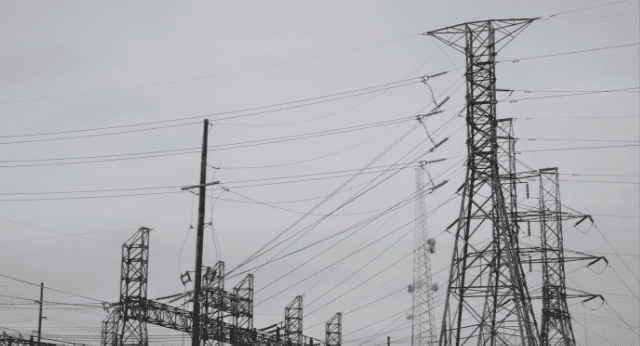
Much of America’s electrical grid was built in the mid-20th century, and parts of it now operate well beyond their intended lifespan. Transformers, transmission lines, and distribution equipment require replacement, and utilities are passing those costs to customers through rate increases and infrastructure surcharges.
Data Center Boom
Electricity demand is forecast to grow 1% in 2026 and 3% in 2027, driven largely by AI and data centers. These massive facilities consume electricity at rates that strain grid capacity, forcing utilities to build additional generation and transmission infrastructure to meet demand that individual consumers subsidize through higher rates.
Extreme Weather Hardening
Wildfires in the West, hurricanes along the Gulf Coast, and winter storms in Texas have forced utilities to invest billions in grid resilience. California utilities are burying power lines, installing covered conductors, and managing vegetation aggressively to reduce fire risks. Florida utilities are undergrounding lines and hardening infrastructure against hurricanes. These investments appear on bills through specific riders and restoration surcharges.
Natural Gas Price Volatility
Natural gas remains the primary fuel for electricity generation in most states, and price swings directly affect electricity costs. When natural gas prices spike due to supply constraints or weather events, utilities pass those costs to customers within billing cycles.
Regional Variation Is Massive
Not all states experience rate increases equally. Hawaii pays 39.89¢ per kilowatt-hour over 2.2 times the national average of 18.05¢, because it imports petroleum for most power generation. Louisiana enjoys the cheapest residential electricity at 12.44¢/kWh, 31% below the national average, thanks to abundant natural gas.
California saw the steepest increase at 8.9% between 2025 and 2026, followed by Rhode Island at 8.4% and Maine at 8.1%. States with older infrastructure, aggressive renewable mandates, and high exposure to extreme weather face the largest rate pressures.
The Hidden Energy Wasters in Your Home
While utility rates drive headlines, most homeowners do not realize how much energy their own homes waste or how much money is leaking out through inefficient systems they already own.
HVAC Systems Account for 40-60% of Energy Bills
Heating and cooling account for the largest share of electricity use in most homes, yet many homeowners overlook the systems responsible for the majority of their energy costs. The issue is not always inefficient equipment. In many cases, energy is lost through ductwork that allows conditioned air to escape into attics, basements, or crawl spaces before it ever reaches the rooms it is meant to cool or heat.
Research from the University of Florida IFAS Extension shows that typical duct systems can lose 25% to 40% of heating or cooling energy through leaks and poorly sealed connections. In fact, ducts leaking just 20% of conditioned air can cause HVAC systems to work up to 50% harder to maintain the same indoor temperature, significantly increasing energy consumption and utility costs.
Because duct systems are usually hidden behind walls, above ceilings, or inside attics, many homeowners never realize there is a problem until energy bills begin to rise. Over time, aging materials, loose connections, and deteriorating seals can make these losses worse, especially in homes where ducts run through hot attics or unconditioned crawl spaces.
HVAC professionals say these hidden inefficiencies are more common than most homeowners expect. Nou Vang, owner of Mechanical Air, says many systems appear functional but lose a significant portion of their efficiency due to leaking ductwork.
“We often see systems working much harder than they should because conditioned air is leaking into attics or crawl spaces,” he explains. “When that happens, the system has to run longer to keep the home comfortable, which increases energy use and utility costs.”
Addressing duct leaks and airflow issues can significantly improve HVAC performance. Sealing ductwork and maintaining the system properly can reduce wasted energy, improve indoor comfort, and help homeowners keep rising electricity bills under control.
Other Common Energy Drains
Beyond ductwork, several factors compound energy waste:
- Air Leaks: Gaps around windows, doors, and penetrations allow conditioned air to escape and outdoor air to enter, forcing HVAC systems to work continuously
- Poor Insulation: Homes built before modern energy codes lack adequate attic and wall insulation, making temperature control expensive
- Inefficient Appliances: Older refrigerators, water heaters, and washers consume far more energy than modern Energy Star-rated models
- Thermostat Settings: Running air conditioning at 65°F or heating at 75°F dramatically increases consumption compared to moderate settings
- Lighting: Incandescent bulbs use 75% more energy than LED alternatives and generate heat that increases cooling loads
What You Can Actually Control
Homeowners cannot control utility rates, but they can control how much electricity they use and how efficiently their homes operate.
HVAC Maintenance and Duct Sealing
Annual HVAC tune-ups cost $150 to $250 but prevent expensive failures and maintain efficiency. Professional duct sealing costs $1,500 to $3,000 for most homes and delivers immediate, measurable bill reductions. Changing HVAC filters monthly, cleaning coils annually, and ensuring outdoor units have adequate clearance all improve performance.
Programmable and Smart Thermostats
Installing a programmable thermostat costs $100 to $300 and allows automatic temperature adjustments when homes are unoccupied. Smart thermostats learn usage patterns and optimize heating and cooling schedules, often reducing energy consumption 10% to 15%.
Air Sealing and Insulation
According to Energy Star, combining air sealing with supplemental insulation can trim up to 10% from HVAC operating costs. Sealing gaps around windows, doors, electrical outlets, and pipe penetrations prevents conditioned air loss. Adding attic insulation to R-38 or R-49 levels dramatically reduces heat transfer.
LED Lighting
LED bulbs use 75% less energy than incandescent bulbs and last 25 times longer. Replacing the 20 most-used bulbs in a home with LEDs saves $100 to $150 annually and reduces cooling loads by eliminating excess heat.
Time-of-Use Rate Plans
Many utilities offer time-of-use plans where electricity costs less during off-peak hours, typically nights and weekends. Shifting high-consumption activities like laundry, dishwashing, and EV charging to these windows reduces bills without reducing usage.
Long-Term Solutions
For homeowners looking to hedge against decades of rising utility costs, solar panels and battery storage can lock in electricity costs for 25+ years. Federal tax credits currently cover 30% of solar installation costs, though these incentives phase down after 2032.
Energy-efficient window replacements, heat pump upgrades, and high-efficiency water heaters require larger upfront investments but deliver ongoing savings that compound over time. The key is prioritizing improvements based on current energy waste. A home losing 30% of its HVAC energy through duct leaks will see far greater returns from duct sealing than from solar panels.
The Bottom Line
Electric bills are rising, and rates will continue climbing through 2030 as utilities invest in grid modernization, resilience, and expanded capacity. Homeowners cannot stop rate increases, but they can significantly reduce their electricity consumption by addressing inefficiencies in their homes.
The households that successfully control energy costs are not those hoping rates stabilize. They are the ones sealing ducts, upgrading insulation, maintaining HVAC systems, and eliminating waste before it compounds into unaffordable monthly bills. With electricity costs projected to rise steadily for years, the investments that matter most are the ones that reduce consumption permanently rather than deferring problems until systems fail.