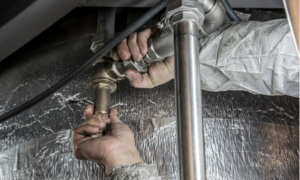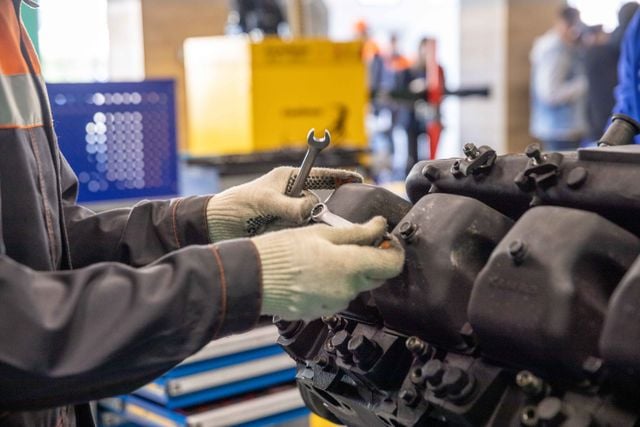
For decades, industrial maintenance largely followed one of two approaches: reactive maintenance, where equipment is repaired after it fails, or preventive maintenance, where components are serviced according to fixed schedules. While both methods remain common, they often lead to unnecessary costs, unexpected downtime, or maintenance activities that occur either too early or too late.
Today, advances in sensors, Industrial Internet of Things (IIoT) technology, artificial intelligence, and data analytics are enabling a more efficient approach known as predictive maintenance. Rather than relying on fixed maintenance intervals or waiting for equipment to break down, predictive maintenance uses real-time operating data to determine when machinery is likely to require attention. This helps organizations improve reliability while reducing maintenance costs and operational disruptions.
What Is Predictive Maintenance?
Predictive maintenance is a condition-based maintenance strategy that continuously monitors the health of industrial equipment. Data collected from machines is analyzed to identify changes in performance that may indicate developing problems.
Instead of replacing components based solely on time or usage, maintenance teams can intervene only when equipment shows measurable signs of wear or degradation. This approach allows organizations to maximize the useful life of assets while minimizing the risk of unexpected failures.
The result is a maintenance program that is more responsive to actual operating conditions rather than predetermined schedules.
How Predictive Maintenance Works
A predictive maintenance program typically combines several technologies to monitor equipment performance.
Common monitoring methods include:
- Vibration analysis
- Infrared thermography
- Oil analysis
- Ultrasound inspection
- Motor current analysis
- Wireless condition monitoring sensors
These tools continuously gather information about equipment condition. Advanced analytics and machine learning algorithms then evaluate the data for patterns that may signal developing faults.
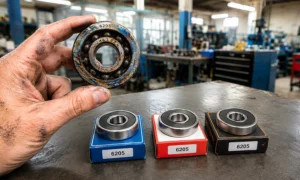
For example, increasing vibration in a motor may indicate bearing wear, while rising temperatures could suggest lubrication problems or electrical issues. Detecting these conditions early allows maintenance teams to schedule repairs before equipment experiences catastrophic failure.
Business Benefits Beyond Maintenance
Although predictive maintenance is often viewed as a maintenance initiative, its benefits extend throughout an organization.
Reduced Downtime
Unexpected equipment failures can halt production, delay deliveries, and disrupt customer commitments. Predictive maintenance reduces the likelihood of these interruptions by identifying problems before they cause breakdowns.
Lower Maintenance Costs
By servicing equipment only when necessary, organizations avoid unnecessary replacement of components that still have useful life remaining. This helps optimize maintenance budgets while reducing labor requirements.
Improved Asset Performance
Equipment operating in good condition typically performs more efficiently, consumes less energy, and produces more consistent output.
Increased Workplace Safety
Unexpected machinery failures can create hazardous conditions for employees. Identifying developing faults before failure occurs helps reduce safety risks associated with malfunctioning equipment.
The Role of Data and Artificial Intelligence
One of the biggest developments in predictive maintenance has been the growing use of artificial intelligence.
Modern industrial facilities generate enormous amounts of operational data. AI systems can analyze this information far more quickly than manual methods, identifying subtle patterns that may not be visible to human analysts.
Machine learning models also improve over time as they process additional operating data, allowing predictions to become increasingly accurate.
Rather than replacing maintenance professionals, these technologies provide decision support that enables engineers and technicians to prioritize resources more effectively.
Industries Driving Adoption
Predictive maintenance has become valuable across numerous industries, including:
- Manufacturing
- Food and beverage processing
- Oil and gas
- Mining
- Power generation
- Marine transportation
- Pharmaceuticals
- Wind energy
Each industry depends on reliable equipment to maintain production and minimize costly interruptions. As digital transformation accelerates, predictive maintenance is becoming an increasingly important component of broader Industry 4.0 initiatives.
Building an Effective Predictive Maintenance Strategy
Successful predictive maintenance programs require more than installing sensors on machinery.
Organizations must also establish processes for collecting, analyzing, and acting upon equipment data. Maintenance teams, reliability engineers, and operations personnel need access to timely information that supports informed decision-making.
Companies exploring advanced maintenance strategies often evaluate educational resources and reliability solutions by I-care to better understand how predictive maintenance technologies, monitoring techniques, and reliability engineering practices can be integrated into long-term asset management strategies.
Looking Ahead
Industrial organizations continue to face increasing pressure to improve productivity while controlling costs and maintaining high levels of equipment reliability. Predictive maintenance offers a practical way to meet these objectives by shifting maintenance from reactive response to proactive planning.
As sensor technology, artificial intelligence, and industrial analytics continue to advance, predictive maintenance is likely to become even more accurate and accessible. Organizations that invest in condition monitoring and data-driven maintenance strategies will be better positioned to reduce downtime, extend asset life, improve safety, and strengthen operational performance.
Rather than viewing maintenance as simply repairing equipment, businesses are increasingly recognizing it as a strategic function that supports reliability, competitiveness, and long-term operational success.