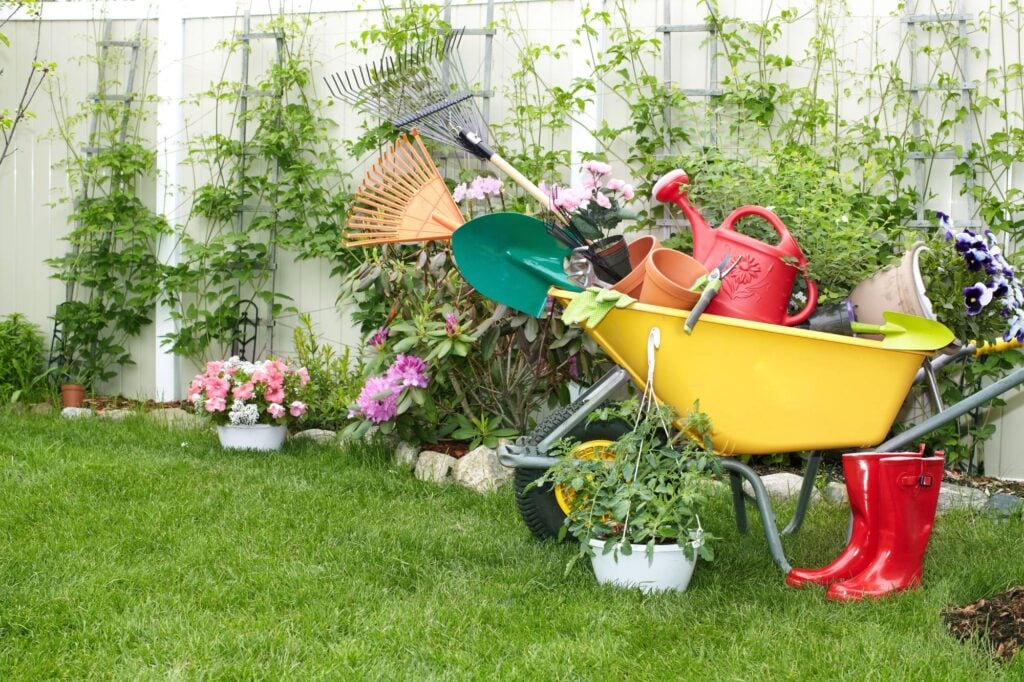
Keeping a garden healthy is rewarding, but it also requires consistent effort throughout the year. Weeds grow quickly, shrubs become overgrown, leaves pile up, and lawns need regular attention. Without the right equipment, even simple outdoor tasks can take much longer than expected and become physically demanding.
Fortunately, homeowners don’t need a garage full of professional landscaping equipment to maintain an attractive yard. Choosing practical, reliable outdoor maintenance tools that match your property’s size and gardening needs can make routine work easier while helping plants, lawns, and landscaping stay in good condition.
Outdoor garden equipment includes powered and manual tools designed to mow, trim, prune, clean, water, and maintain lawns, flower beds, shrubs, and other landscaped areas. The best equipment depends on factors such as yard size, terrain, seasonal maintenance requirements, and how frequently the tools will be used.
Why the Right Garden Equipment Makes a Difference
Every landscape presents different challenges. A compact suburban garden may only require a mower, trimmer, and pruning shears, while larger properties often need additional equipment for leaf removal, edging, and soil care.
Selecting the right yard tools offers several advantages:
- Reduces maintenance time
- Supports healthier plants and lawns
- Improves safety during outdoor work
- Produces cleaner, more consistent results
- Helps extend the life of landscaping features
Modern cordless equipment has also become a practical option for many homeowners. Battery-powered tools are generally quieter, easier to maintain, and eliminate the need to store gasoline for many common residential tasks.
Essential Outdoor Equipment Every Homeowner Should Have
Lawn Mower
A lawn mower remains the most important piece of outdoor equipment for most homes.
The best model depends largely on lawn size:
- Small yards (under 1/4 acre): Lightweight push or cordless mower
- Medium yards (1/4–1/2 acre): Self-propelled mower
- Larger properties (over 1/2 acre): Riding mower or zero-turn mower
Keeping mower blades sharp improves cutting quality and reduces stress on the grass.
String Trimmer
Grass grows in places a mower simply cannot reach.
A string trimmer helps maintain areas around:
- Trees
- Garden beds
- Mailboxes
- Fences
- Patios
- Walkways
Many homeowners prefer battery-powered trimmers because they start quickly and require very little routine maintenance.
When researching modern cordless equipment, homeowners often compare battery systems and runtime across different brands. Browsing greenworks products alongside similar battery-powered options can help buyers evaluate tools that fit their yard size, maintenance schedule, and battery compatibility needs.
Hedge Trimmer
Shrubs and hedges require regular trimming to maintain their appearance and encourage healthy growth.
A hedge trimmer allows homeowners to:
- Shape shrubs evenly
- Remove excessive seasonal growth
- Improve sunlight penetration
- Maintain privacy hedges
Cordless hedge trimmers work well for most residential landscapes.
Leaf Blower
Leaves, grass clippings, pine needles, and other debris accumulate throughout the year.
A blower simplifies cleanup for:
- Lawns
- Driveways
- Sidewalks
- Decks
- Patios
Battery-powered models are often sufficient for average-sized residential properties.
Garden Pruners and Loppers
Pruning supports plant health by removing damaged or overcrowded branches.
Hand pruners work well for:
- Flowers
- Roses
- Small shrubs
- Perennials
Loppers provide additional leverage for cutting thicker branches without excessive effort.
Garden Hose and Watering Nozzle
Consistent watering remains one of the most important aspects of garden maintenance.
An adjustable spray nozzle provides flexibility for:
- Delicate flowers
- Vegetable gardens
- Lawn watering
- Cleaning garden equipment
Deep watering less frequently generally promotes stronger root development than frequent shallow watering.
Garden Rake
A durable rake is useful throughout every season.
It helps with:
- Collecting leaves
- Removing debris
- Leveling mulch
- Preparing planting beds
- Light dethatching
Metal tines typically offer greater durability for heavier cleanup tasks.
Wheelbarrow or Garden Cart
Transporting heavy materials becomes much easier with a wheelbarrow or garden cart.
Typical uses include:
- Mulch
- Soil
- Compost
- Stones
- Plants
- Firewood
This simple tool can significantly reduce physical strain during larger landscaping projects.
Lawn Spreader
Even application of lawn products helps improve overall turf health.
A spreader distributes:
- Fertilizer
- Grass seed
- Lime
- Ice melt during winter
Uniform coverage reduces patchy growth and prevents excessive fertilizer application.
Comparison Table: Manual vs. Cordless Outdoor Equipment
| Equipment Type | Manual Tools | Cordless Equipment |
| Initial Cost | Usually lower | Typically higher |
| Maintenance | Minimal | Battery care required |
| Noise | Very quiet | Quiet compared to gas |
| Physical Effort | Higher | Lower |
| Best For | Small gardens | Medium to large residential properties |
| Environmental Impact | No emissions during use | No direct emissions during operation |
For many homeowners maintaining average suburban properties, cordless equipment offers a practical balance between convenience and performance.
Choosing Equipment Based on Property Size
Small Gardens
Compact properties generally don’t require large or expensive equipment.
A practical setup includes:
- Cordless mower
- String trimmer
- Hand pruners
- Garden rake
- Hose
Most weekly maintenance can be completed in under an hour.
Medium Residential Yards
Medium-sized landscapes often benefit from additional equipment.
Recommended tools include:
- Self-propelled mower
- Hedge trimmer
- Leaf blower
- Wheelbarrow
- Lawn spreader
These tools improve efficiency during both routine care and seasonal cleanup.
Large Landscapes
Larger properties demand equipment that can operate longer without interruption.
Many homeowners choose:
- Riding mower
- Larger battery platforms
- Heavy-duty blower
- Tow-behind spreader
- Long-reach hedge trimmer
Although these tools require a larger investment, they substantially reduce maintenance time.
Seasonal Equipment Priorities
Spring
Spring focuses on recovering from winter.
Typical tasks include:
- Cleaning debris
- First mowing
- Fertilizing
- Pruning damaged branches
- Preparing flower beds
Summer
Summer maintenance centers on routine care.
Activities include:
- Weekly mowing
- Watering
- Hedge trimming
- Weed removal
- Mulching
Fall
Autumn often requires the greatest amount of cleanup.
Essential equipment includes:
- Leaf blower
- Garden rake
- Pruners
- Lawn spreader
Preparing the landscape before winter supports healthier spring growth.
Winter
Although plant growth slows, equipment still requires attention.
Winter maintenance includes:
- Cleaning tools
- Sharpening blades
- Charging and storing batteries properly
- Inspecting equipment for repairs
Routine maintenance helps equipment remain reliable when spring arrives.
Battery-Powered vs. Gas Equipment
Battery technology has improved significantly in recent years.
Advantages of Cordless Equipment
- Quieter operation
- Lower routine maintenance
- Easy starting
- No gasoline storage
- Reduced vibration
Situations Where Gas Equipment May Still Be Useful
Gas-powered equipment may still be appropriate for:
- Large rural properties
- Commercial landscaping
- Long uninterrupted work sessions
For many homeowners, however, modern battery-powered tools provide sufficient runtime for routine lawn and garden care.
Best Practices & Pro Tips
- Sharpen cutting blades regularly for cleaner cuts and healthier plants.
- Clean equipment after every use to prevent dirt buildup and corrosion.
- Store batteries indoors during extreme temperatures.
- Inspect safety guards before operating powered equipment.
- Water early in the morning to reduce evaporation and discourage disease.
- Avoid over-pruning shrubs, especially during periods of active growth.
- Match tool size to your property, rather than purchasing oversized equipment.
- Wear eye protection, gloves, hearing protection, and sturdy footwear whenever operating powered yard tools.
For additional recommendations on mowing, fertilizing, watering, and seasonal lawn care, consult the university extension lawn care guidelines published by Penn State Extension: https://extension.psu.edu/lawn-maintenance
When operating powered equipment, it’s also helpful to review OSHA landscaping safety guidance for safe handling practices, personal protective equipment, and hazard awareness: https://www.osha.gov/landscaping
Real-World Examples
Small Backyard Garden
A homeowner with a compact yard may only need:
- Cordless mower
- String trimmer
- Hand pruners
- Garden hose
Most weekly maintenance can be completed in approximately 45–60 minutes.
Suburban Family Property
A quarter-acre lot with shrubs, flower beds, and several trees benefits from:
- Self-propelled mower
- Hedge trimmer
- Leaf blower
- Lawn spreader
- Wheelbarrow
This combination handles routine maintenance while making seasonal cleanup more efficient.
Large Landscaped Property
A homeowner maintaining nearly an acre with mature trees and extensive landscaping may use:
- Riding mower
- High-capacity cordless blower
- Long-reach hedge trimmer
- Garden cart
- Core aerator
Choosing equipment designed for longer runtime helps reduce interruptions during larger maintenance projects.
Common Mistakes When Buying Outdoor Equipment
Many homeowners purchase tools based solely on price, only to discover they don’t fit their property’s needs.
Some common mistakes include:
- Buying oversized equipment for a small yard
- Ignoring battery compatibility between tools
- Choosing tools without considering storage space
- Overlooking replacement blade or line availability
- Skipping routine maintenance after purchase
Evaluating your property’s size, terrain, and seasonal maintenance tasks before buying equipment often leads to better long-term value.
Building a Practical Garden Maintenance Setup
The best garden maintenance system isn’t necessarily the largest or most expensive it’s the one that fits your landscape and the way you care for it. Start with versatile essentials such as a mower, string trimmer, pruners, rake, and watering equipment. As your landscaping grows or your maintenance needs change, you can add specialized tools like hedge trimmers, spreaders, or garden carts.
Regular equipment maintenance is just as important as caring for the garden itself. Cleaning tools after use, sharpening blades, checking batteries, and storing equipment properly will extend its lifespan and improve performance season after season. By choosing practical outdoor equipment that matches your property’s needs, you’ll spend less time on routine chores and more time enjoying a healthy, well-maintained garden.