
Why Are Okara Residents Choosing Online Grocery Shopping? The Kitoo Story

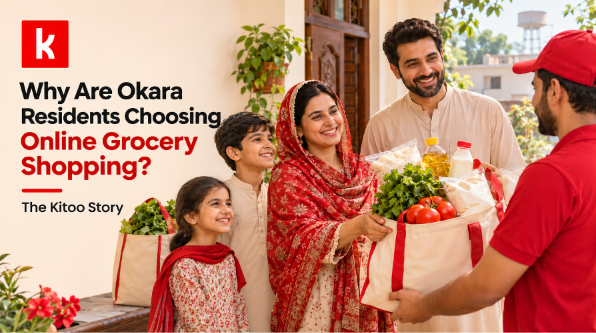
For many families in Okara, grocery shopping is still part of the weekly routine. People prepare a list, visit the market, compare prices, wait at the counter and carry everything home. This routine works, but it is not always convenient. Busy parents, students, working professionals and older family members are increasingly looking for an easier option. This is where Kitoo is becoming part of the conversation around everyday grocery shopping.
Kitoo is a Pakistan-focused grocery platform that allows customers to order everyday essentials online and get them delivered to their homes. Its product categories include fresh fruits and vegetables, atta, rice, daal, oil, spices, dairy, eggs, drinks, snacks, household items, personal care products and more.
The idea is simple: customers should be able to plan their weekly shopping, choose the products they need and receive their order at home without spending hours in the market.
Grocery Shopping in Okara Is Changing
Okara has a strong culture of local markets and neighbourhood shopping. Many residents know their preferred shops, understand seasonal produce and make regular trips to buy household items.
At the same time, daily life is becoming busier. A family may have school duties in the morning, work responsibilities during the day and household tasks in the evening. Finding time for a complete grocery trip can become difficult, especially when the shopping list includes heavy or bulky items.
Online grocery shopping does not replace every local market experience. Many people still prefer visiting shops and checking fresh produce themselves. However, online ordering provides a useful alternative for routine purchases.
Customers can order pantry staples, cleaning supplies, beverages, personal-care products and other regular items from home. They can also review their shopping list before placing an order and avoid forgetting important products.
This convenience is especially useful when the weather is uncomfortable, someone in the family is unwell or a customer simply wants to avoid making another trip to the market.
Why Are More People Choosing Online Grocery Shopping?
1. It saves time
Time is one of the biggest reasons people try online grocery shopping. A customer can browse products while having tea, during a lunch break or after completing household responsibilities.
The time saved is not limited to shopping inside the store. It also includes:
- Travelling to the market
- Finding parking
- Walking between different shops
- Waiting at the counter
- Carrying grocery bags back home
For a weekly family order, these small savings can make a major difference.
2. It makes routine shopping easier
Most grocery purchases are regular household items. These include flour, rice, lentils, cooking oil, tea, milk, eggs, biscuits, detergent and cleaning products.
Online ordering makes these routine purchases easier to manage. Customers can browse different categories, review their basket and place an order without walking through multiple shops.
A well-organised online grocery platform also makes it easier to find products quickly. Instead of remembering every item while standing in a shop, customers can review their list calmly before checkout.
3. It helps with heavy household items
Carrying a large bag of rice, flour, bottled water, cooking oil or cleaning products can be difficult.
Home delivery is useful for customers who:
- Do not have personal transport
- Are shopping for a large family
- Have elderly family members at home
- Prefer not to carry heavy bags
- Want to avoid multiple market trips
For some households, online grocery delivery is not just a luxury. It can make regular shopping more accessible and comfortable.
4. It supports better grocery planning
Physical shopping can sometimes lead to unplanned purchases. Customers may see additional products and add them to their baskets without checking their total budget.
Online grocery shopping gives customers a chance to review the basket before placing an order. They can remove unnecessary items, compare quantities and think about the total cost.
This does not mean every online order is automatically cheaper. Product prices, delivery charges and availability still matter. However, the ability to clearly review the basket can help families make more thoughtful purchasing decisions.

Best Online Grocery Store Okara: What Should Customers Look For?
When people search for the Best Online Grocery Store Okara, they should look beyond a colourful website or a single discount.
The best grocery service should be reliable, easy to use and suitable for everyday household needs.
Product variety
A useful grocery platform should offer the products that people regularly need.
These may include:
- Atta, rice, daal and spices
- Cooking oil and ghee
- Milk, eggs and dairy products
- Fruits and vegetables
- Drinks and tea
- Biscuits and snacks
- Frozen food
- Cleaning supplies
- Personal-care products
- Baby-care items
- Meat, chicken and fish
A wide range of products reduces the need to place multiple orders from different sellers.
Freshness and product quality
Fresh fruits, vegetables, dairy products and meat require careful handling.
Customers should look for:
- Clear product information
- Proper packaging
- Good product handling
- A process for reporting damaged products
- Support when an item is unsuitable or unavailable
A grocery delivery service earns customer trust when it takes freshness and quality seriously.
Transparent pricing
Customers should be able to see the product price and delivery charges before confirming an order.
Clear pricing is especially important for Pakistani families that carefully plan their monthly grocery budgets. Discounts can attract customers, but transparent and fair pricing helps build long-term trust.
Reliable delivery communication
Customers want to know whether their order has been received, prepared and dispatched.
Simple delivery updates can reduce uncertainty. A clear phone number or support channel is also important when a product is unavailable, an address needs clarification or a customer wants to update the order.
Local understanding
A grocery service that understands the local market can make better decisions about products, delivery areas and customer expectations.
Shopping habits are not exactly the same in every city. The products that are popular in Okara may be different from those in Lahore, Karachi or Islamabad.
This is why local knowledge is important for a grocery platform that wants to grow sustainably.
Kitoo’s Local-First Approach
Kitoo’s approach is focused on making grocery shopping practical for local customers.
Instead of presenting online shopping as a complicated technology product, Kitoo is built around familiar household needs. Customers can find fresh produce, pantry staples, dairy, drinks, snacks, household supplies and personal-care products.
Kitoo also gives customers a way to share where they want the service to expand. Visitors can use the “Bring Kitoo to my area” option on the website to suggest their city or neighbourhood.
This creates a direct connection between customers and the business.
Instead of simply guessing where demand may exist, Kitoo can listen to customer suggestions and understand which locations are showing interest. If a particular city or area receives strong demand, that information can help guide future delivery coverage and physical store expansion.
Online Grocery Shopping Does Not Remove the Local Connection
Some people believe that online grocery shopping removes the personal side of buying food. In reality, the experience depends on how the business operates.
A local online grocery service can still understand:
- Seasonal demand
- Common household brands
- Popular local products
- Customer price expectations
- Neighbourhood delivery requirements
The main difference is convenience. Customers can place an order from home while the business uses customer feedback to improve its product selection and delivery service.
Over time, a strong grocery platform can combine the convenience of digital ordering with the familiarity customers expect from a local grocery store.
This is also why Kitoo’s location campaign is important. It turns expansion into a conversation with customers. Instead of simply announcing a new location, Kitoo can ask communities where they want the next service area or physical store to be available.
What Customers Can Expect as Online Grocery Shopping Grows
As more customers try online grocery shopping, their expectations will become higher.
People will want:
- Accurate product availability
- Fair and clear prices
- Reliable delivery times
- Clean packaging
- Easy refunds and replacements
- Responsive customer support
- Mobile-friendly ordering
- Fresh fruits and vegetables
- Correct order quantities
The strongest grocery platforms will be those that combine product variety, fair pricing, dependable operations and local customer understanding.
Technology can make ordering easier, but reliable service is what encourages customers to return.
For Kitoo, this creates an opportunity to build trust one order at a time. A customer who receives the correct products, in good condition and within the promised time, is more likely to place another order in the future.
Repeat customers are more valuable than one-time promotional orders because they show that the service is genuinely useful in everyday life.
How Okara Residents Can Help Shape Kitoo’s Next Location
Kitoo’s location campaign gives residents a simple way to share their demand.
If customers want Kitoo in their city or neighbourhood, they can visit the Kitoo website and click “Bring Kitoo to my area.” They can suggest their location and encourage friends, family members and neighbours to participate.
Customers can make their feedback more useful by mentioning:
- Their city
- Their neighbourhood
- The grocery products they need most
- Whether they want delivery or a physical store
- Why the location would benefit from Kitoo
This gives residents a direct way to make their shopping needs visible.
It also helps Kitoo understand where people are ready to use its delivery service or visit a future store.
Why Community Feedback Matters
A grocery business needs to understand where customers live, what they buy and how often they shop.
Customer votes and suggestions can help identify:
- Areas with high demand
- Cities with limited grocery options
- Neighbourhoods that need home delivery
- Popular product categories
- Locations suitable for future expansion
Community feedback does not replace proper business research, but it provides an important starting point. It helps a company hear directly from the people it wants to serve.
For customers, voting is also an opportunity to participate in the future of local retail. If enough people from one area show interest, that area may receive more attention from the company.
Final Thoughts
Okara residents are not choosing online grocery shopping for one single reason.
Some want to save time. Others want home delivery for heavy items, easier weekly planning, clearer pricing or a convenient alternative when visiting the market becomes difficult.
The common factor is simple: people want grocery shopping to fit more comfortably into their lives.
Kitoo is building its story around this everyday need. By offering essential grocery categories, home delivery and a way for customers to suggest future locations, Kitoo is creating a more community-focused grocery experience.
The next stage will depend on service quality, product availability, delivery performance and customer feedback.
If you are in Okara and want Kitoo to come closer to your area, visit Kitoo and click “Bring Kitoo to my area.”
Your suggestion could help shape where Kitoo delivers or opens next.






Comment