
NuDay Capital Executives Share Five Technology Trends Reshaping Early Stage Biotech Growth

In the high-stakes arena of drug discovery and life sciences, early-stage ventures have long operated under a challenging model. Bringing a novel therapeutic concept from the academic lab bench to active clinical trials has historically demanded nearly a decade of trial-and-error experimentation and immense capital outlay. In recent years, a new approach has taken hold, one where technology and biology work together through new digital tools. As early-stage biotech companies navigate competitive market conditions and try to reduce risk early in their pipelines, Dennis Herrera, founder of NuDay Capital highlights five technology developments reshaping how young life science firms grow.
Predictive Molecular Design and AI Precision
The first major trend transforming early-stage growth is the maturation of artificial intelligence and machine learning in predictive molecular design. In the past, discovering drug candidates involved manually screening thousands of chemical compounds against disease targets, and it took several years to identify just one candidate for animal testing. With modern computer models and artificial intelligence algorithms, researchers can predict protein structures in silico their interactions. By analyzing massive biological datasets, these digital frameworks narrow down billions of possibilities to a few highly viable therapeutic molecules in a fraction of the traditional time. For early-stage biotech’s, this means candidate discovery timelines can be slashed dramatically, allowing lean teams to reach crucial preclinical milestones using only a small percentage of the capital that was once required.
Modular and Adaptable Platform Architectures
A second critical shift is the industry-wide move toward modular, platform-based technologies over single-asset development. In previous decades, a startup might spend its entire seed funding round proving out one specific drug candidate for one specific disease, leaving the company completely vulnerable if that single trial failed. Today, more startups are using flexible platform technologies, such as programmable mRNA platforms, viral vectors, or cell therapy platforms. A platform can be reprogrammed for a range of indications, including oncology, neurological disorders, or rare genetic disorders. That flexibility matters because a single platform can produce several potential treatments, giving a young company more than one path to success.
Automated Wet Labs and Data-Integrated Environments
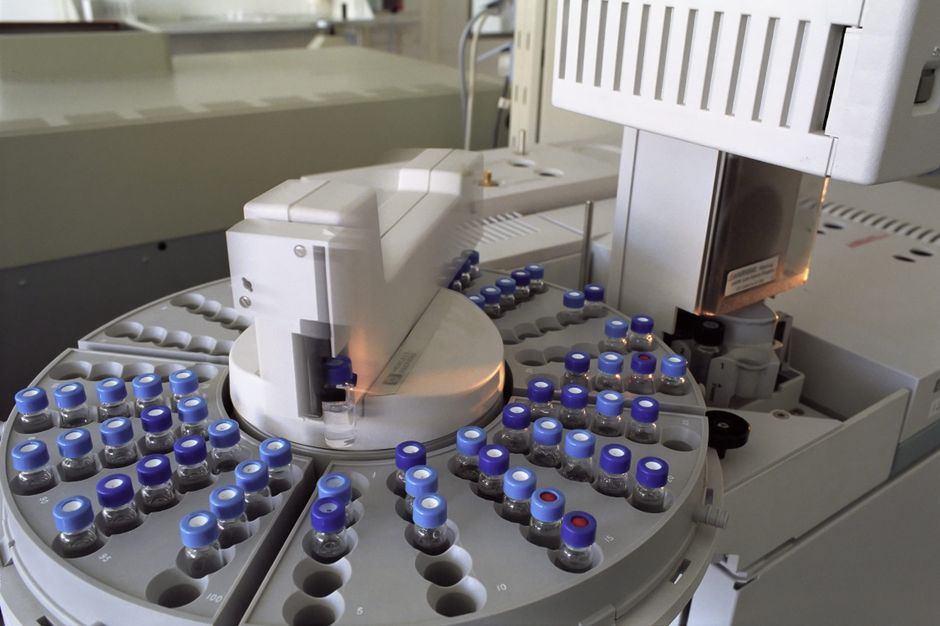
Another trend shaping how growth will happen is the development of automated wet labs and connected research spaces. Laboratory work is becoming more dependent on automation and connectivity than on manual pipetting and separate spreadsheets. High-throughput automated systems let small research teams run thousands of parallel experiments around the clock with extreme precision and minimal human error. Crucially, the real-time data these automated systems generate flows continuously into centralized machine learning platforms. That continuous feedback means physical lab experiments teach and improve predictive computer models. This efficiency makes it possible for small organizations to build reliable data packages that give regulators strong confidence in their work.
Multi-Omics Synthesis and Precision Biomarkers
A fourth technology trend accelerating early-stage biotech growth involves advanced multi-omics integration and biomarker profiling. Modern biological science yields vast amounts of genomic, transcriptomic, proteomic, and metabolomic data. In the past, when researchers analyzed these huge datasets independently, it was hard to trace the real causes of complex polygenic disorders. Thanks to sophisticated multi-omics software, researchers can now bring these different biological layers together. For early-stage biotech companies, this translates to precise patient stratification long before clinical trials begin. By using computational biomarkers to identify the patient subpopulations most likely to respond to a treatment, startups can design smaller, faster, and far more targeted clinical trials. This targeted approach can improve trial success rates, reduce clinical costs, and speed up the path to regulatory approval.
Decentralized Infrastructure and Real-Time Tracking
Finally, decentralized digital technology and real-time monitoring are changing the way early clinical trials are run. Remote patient monitoring, biosensors, and cloud computing allow trial sponsors to collect real-time health information from participants. Instead of depending on periodic clinic visits, biotechs can monitor patients’ vital signs, biomarkers, and treatment reactions as they happen. Decentralized data collection removes geographic constraints and makes it easier to recruit patients and maintain high retention rates.
Final Thoughts
Taken together, these five advancements are changing the path of life science innovation. By combining predictive computing, adaptable platforms, automation, multi-omics, and advanced clinical tracking, startups can work faster and more efficiently than ever before. For NuDay Capital founder Dennis Herrera, the bigger story isn’t just faster or cheaper research. It’s technology helping turn complicated biology problems into treatments that can reach patients at scale. As digital and biological tools continue to develop, the path from discovery to patient care will keep getting quicker and smarter.
This article is for general information and is not investment advice.







Comment