
Repair or Replace Your Furnace? A Straight Answer for Houston Area Homeowners

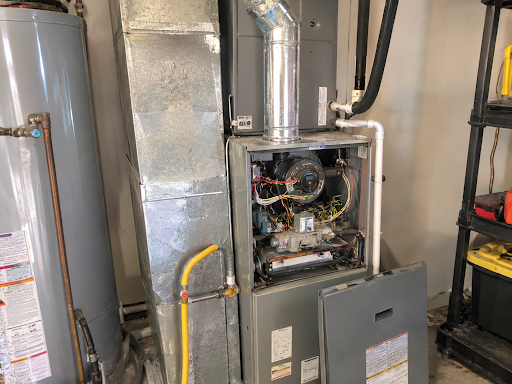
The first real cold front of the year rolls through, you switch on the heat and nothing happens. Or it runs, smells odd and shuts off after a few minutes. A technician comes out, and before long you’re hearing the question every homeowner dreads: “Do you want to fix it, or is it time for a new one?”
Most advice on that question is written for places like Ohio or Minnesota, where a furnace runs for months straight every winter. Houston is different. Our furnaces work a few weeks a year, often from an attic that hits 130°F in summer, and that changes how they wear out. Here’s how to make the decision for a home around Houston, Sugar Land, Richmond or Katy.
Why Gulf Coast Furnaces Age Differently
The Department of Energy puts the typical lifespan of a gas furnace at 15 to 20 years. Around Houston, many last longer, simply because they run so little. A furnace here might log a fraction of the operating hours of the same model in Chicago.
That doesn’t mean age doesn’t matter. Our furnaces face their own wear:
- Attic heat. Most furnaces in Houston area homes sit in the attic. Summer heat bakes the wiring, control board, gaskets and motor bearings, even while the furnace is off.
- Long idle periods. Months without use let dust settle on the burners and flame sensor, and spiders and wasps move into the burner area. That’s why so many furnaces fail on the first cold day.
- Humidity and rust. Moist air from the AC coil, which usually sits right on top of the furnace, can rust the burners and the heat exchanger over time.
So a 20 year old furnace in a Houston attic can still be in good shape, or it can be rusted through. Age alone won’t tell you. Its condition will.
When Repair Is the Smart Choice
Most no heat calls in this area come down to a handful of parts, and nearly all of them are reasonable to fix:
- Dirty flame sensor. The furnace lights, then shuts off after a few seconds. Often a cleaning is all it needs.
- Failed hot surface igniter. You hear the furnace try to start, but the burners never light.
- Pressure switch or draft inducer motor. The small fan runs, but the furnace never lights, usually with a flashing error code.
- Blower motor or capacitor. The burners light, but no air comes out of the vents, or the furnace overheats and shuts down.
- Clogged condensate drain on a high efficiency furnace, which trips a safety switch.
- Thermostat or wiring problems.
If your furnace is in decent overall condition and the problem is one of these, repair almost always wins. A good technician will show you the part that failed, explain why and tell you whether anything else is close behind. If you’re near Fort Bend County, a company that offers furnace repair in Richmond and the surrounding area should be able to diagnose most of these in a single visit and carry the common parts on the truck.
When Replacement Makes More Sense
1. The heat exchanger is cracked
The heat exchanger keeps combustion gases, including carbon monoxide, separate from the air you breathe. If it’s cracked or rusted through, the furnace isn’t safe to run, and replacing the heat exchanger on an older unit rarely makes financial sense.
This is also the repair most often misdiagnosed. A legitimate cracked heat exchanger diagnosis should come with proof: a photo or camera video of the crack, a combustion analysis or a visible flame disturbance when the blower starts. If you’re told it’s cracked with no evidence, get a second opinion before you spend thousands. Either way, make sure you have working carbon monoxide alarms near the bedrooms.
2. Repairs are piling up
One repair on an older furnace is normal. A second major repair in two or three years is a pattern. Parts on older models also become harder to find and more expensive as manufacturers stop making them.
3. The math doesn’t work anymore
A simple rule of thumb many technicians use: multiply the furnace’s age by the repair cost. If the number is over about $5,000, replacement is usually the better investment. A $400 repair on a 10 year old furnace (4,000) is worth doing. A $600 repair on an 18 year old furnace (10,800) probably isn’t.
4. Your AC is also near the end
This is the factor people overlook most in our area. In most Houston homes, the AC’s indoor coil sits directly on the furnace, and the two share the same blower. If your AC is 12 to 15 years old, replacing just the furnace can leave you with a mismatched system and a second installation bill a year or two later. Newer air conditioners also use different refrigerants than older ones, so matching the equipment properly matters more than it used to. When both are aging, replacing them together usually costs less overall and gives you one warranty for the whole system.
5. Comfort has always been poor
If some rooms have never heated well, the upstairs is always cold or the furnace short cycles constantly, the unit may have been sized wrong from the start. A replacement is the chance to fix that with a proper load calculation, rather than repeating the same mistake.
What Affects the Cost of a New Furnace
Replacement prices vary a lot from one home to the next. Here’s what drives the number:
- Efficiency. Standard 80% furnaces vent through a metal flue. High efficiency 90% plus furnaces need PVC venting and a condensate drain, which can add installation work in an attic.
- Size and staging. Single stage furnaces cost less. Two stage and variable speed models cost more but heat more evenly and quietly.
- Location. An attic install with tight access takes more labor than a garage or closet install.
- Code updates. Older installs often need a new gas connector, venting changes, a drain pan or a service platform to meet current code.
- The AC coil. Whether the existing coil can stay or needs replacing at the same time.
For a local breakdown of these factors, this guide to furnace replacement cost in Richmond, TX walks through what Fort Bend County homeowners typically see and why quotes can differ so much between companies.
One more thing worth knowing: a federal efficiency rule scheduled for December 2028 would require most new indoor gas furnaces to be 95% efficient, which means condensing models only. The rule has faced legal and political challenges, so its timing could change. If your furnace is close to the end anyway, it’s worth asking your contractor how it could affect your options.
Questions to Ask Before You Decide
- What exactly failed, and can you show me?
- Is the heat exchanger in good condition? How did you check it?
- What other parts are close to failing?
- How old is my AC, and does it make sense to replace them together?
- If I replace, did you do a load calculation, or are you matching the old size?
- What warranty comes with the repair, and with a new system?
- Can I have the quote in writing, with the model numbers listed?
A good contractor will answer all of these without pressure. If someone insists you have to decide on the spot, that’s your sign to slow down and get another quote, unless there’s a genuine safety issue like a carbon monoxide leak.
The Short Answer
Repair when the furnace is in good overall shape, the problem is a common part like an igniter, sensor, inducer or blower, and the age times cost math comes in under about $5,000.
Replace when the heat exchanger is cracked (with proof), repairs keep stacking up, the math tips over $5,000 or your AC is due at the same time.
And whichever way you go, have the furnace checked before the first cold front next year. Most of the “it died on the coldest night” calls around Houston start with a dirty sensor or a weak igniter that a tune up would have caught in October.







Comment